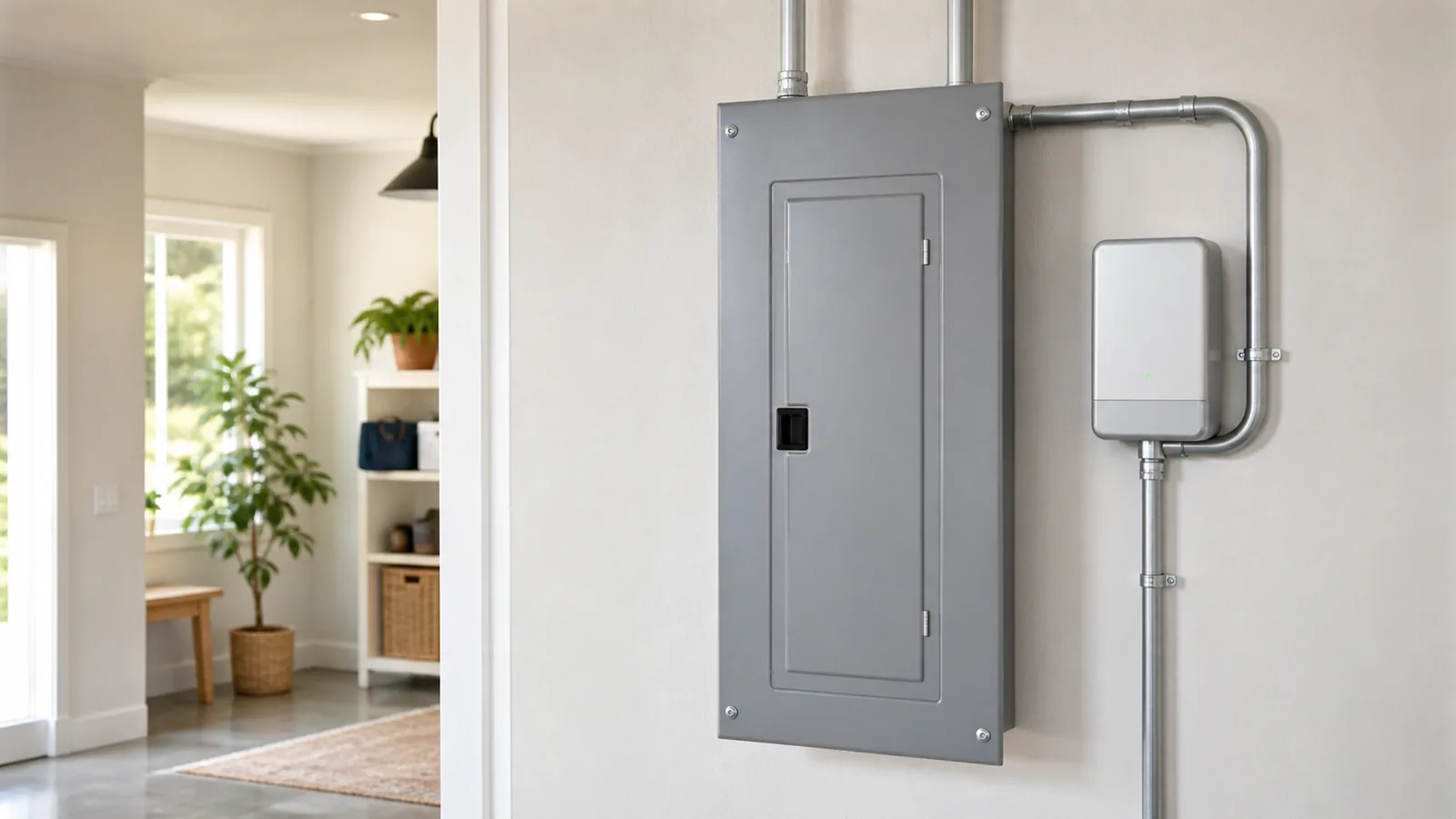
Inspection guide
Electrical Inspection
An electrical inspection is a professional assessment of a home's panel, wiring, outlets, grounding, and safety devices to identify hazards, code concerns, and aging components. It's common during home purchases, with older homes, or after recurring problems. ElectricianQuotes helps you understand what's covered and connect with electrician help.
Updated July 26, 2026
Electrical Inspection, explained
The key decision is: What is the inspection intended to evaluate, document, or help plan next? A useful inspection scope states what will be examined, tested, documented, and excluded before the visit begins.
Start with the affected equipment or area, the visible condition or desired result, and any recent change. The sections below explain the scope choices and quote details that matter for inspection.
When to request inspection
Define the reason for the inspection and the decisions the written findings need to support.
Needs and situations this service covers
- I need an electrical inspection
- Buying or selling a home
- Living in an older home with original wiring
- Experiencing recurring electrical problems
- Wanting a safety check before a major project
What can change the scope
- Aging wiring and panels of unknown condition
- Past DIY or non-permitted work
- Recurring issues that need a system-wide look
- Insurance or transaction requirements
- Review visible service equipment, panel condition, breaker arrangement, labeling, damage, corrosion, heat concerns, and available capacity information.
- Sample or test outlets, switches, fixtures, and connected areas according to the agreed inspection scope.
What is the inspection intended to evaluate, document, or help plan next?
The written agreement should define which systems, rooms, panels, devices, tests, and records are included. Concealed conditions remain outside a visual inspection unless the scope specifically includes further access or testing.
Service and panel condition
Review visible service equipment, panel condition, breaker arrangement, labeling, damage, corrosion, heat concerns, and available capacity information.
Branch circuits and devices
Sample or test outlets, switches, fixtures, and connected areas according to the agreed inspection scope.
Protective devices
Review the visible presence and operation of GFCI, AFCI, breaker, and other protective devices included in the inspection.
Grounding and bonding
Document visible grounding and bonding components and identify conditions that need further evaluation or correction.
Special equipment and added loads
Include EV charging, generators, pools, spas, workshops, solar interfaces, or other systems when they matter to the purpose of the review.
Findings and next actions
The report should distinguish observed conditions, immediate repair needs, further diagnosis, maintenance, and optional upgrades.
Useful observations and electrical safety boundaries
Share what you can observe without opening equipment or touching wiring. Energized testing, disassembly, and repair belong to a qualified electrician.
Useful details to note
- Gather what you know about the home's age and any past electrical work
- Note recurring issues like trips, flicker, or warm devices
- List concerns you want the inspection to address
- Locate the panel for easy access during the visit
Leave these steps to an electrician
- An inspection is non-invasive, leave any opening of panels or wiring to the electrician.
- Don't delay addressing hazards an inspection flags as urgent.
- Findings and code references can vary by city, county, and state.
- Inspections identify issues but don't themselves make a system safe, corrections do.
Warning signs to mention when requesting help
There is active fire, visible smoke, or a serious electrical injury; Before closing on a home purchase; When wiring or the panel is old or of unknown condition; After recurring or unexplained electrical problems; When planning a renovation or added loads.
How the inspection is approached
The agreed scope determines what can be observed, tested, and documented and which concealed conditions remain outside the inspection.
- 1
Define the purpose
Explain the symptoms, transaction, project, event, or documentation requirement that prompted the inspection.
- 2
Agree on access and testing
Confirm which panels, rooms, devices, equipment, records, and tests are included or excluded.
- 3
Review visible conditions
Inspect the agreed service equipment, panels, circuits, devices, protection, and special systems for relevant visible concerns.
- 4
Test according to scope
Perform the operational and electrical tests needed to answer the inspection question without treating a visual check as a full diagnosis.
- 5
Prioritize the findings
Separate urgent repair, targeted diagnosis, planned correction, maintenance, and optional upgrade recommendations.
- 6
Deliver a usable report
Document locations, findings, limitations, supporting photos or readings, and the recommended next professional step.
- 7
Define the scope
Decide whether you want a full inspection or a focused look at specific concerns.
Get electrical inspection help
Call or request availability to connect with electrician help.
What affects inspection cost
Inspection cost depends on the home's size and whether you want a full assessment or a focused look at specific concerns. Treat published ranges as planning references rather than a quote for a particular property.
Full inspection vs. focused assessment
Size and age of the home
Accessibility of the panel and wiring
Any testing or documentation requested
| Scope | Typical range | What it usually involves |
|---|---|---|
| Focused inspection | $150-$375 | A specific concern or area |
| Full home inspection | $275-$600 | Whole-system assessment |
| Large or older home | $425-$925 | More circuits and documentation |
Cost ranges are estimates developed from standardized project scopes and reviewed pricing inputs. Government labor and regional cost data are used where applicable. See our Pricing Methodology for the exact sources, calculations, and review date. Actual prices vary by property, scope, materials or equipment, location, and provider.
How to compare the written scope and quote
Compare what each proposal includes, what assumptions it makes, and how findings that change the scope will be handled, not only the total price.
- What question or decision is the inspection intended to support?
- Which panels, rooms, devices, systems, and records are included?
- Which operational or electrical tests will be performed?
- What areas or concealed conditions are excluded?
- Will the report include photos, readings, locations, and prioritized findings?
- Does the scope include permit, insurer, lender, or authority-specific documentation?
- How are findings that need further diagnosis handled?
- When will the report be delivered, and is follow-up discussion included?
Common issues related to inspection
Choose the closest visible symptom for a focused explanation of urgency, useful observations, and the service that may fit.


Electrical Inspection: common questions
When should I get an electrical inspection?
Common times are before buying a home, when living in an older home with original wiring, after recurring problems, or before a renovation that adds load. It's also reasonable any time you want peace of mind about safety.
What does an electrical inspection include?
Typically the panel, wiring, outlets, switches, grounding, and safety devices like GFCI, AFCI, and smoke detectors. The electrician documents findings and helps you prioritize repairs.
Will an inspection tell me if I need a panel upgrade?
Often, yes. An inspection commonly reveals whether the panel is undersized, outdated, or unsafe, which helps you decide on an upgrade.
How does ElectricianQuotes help with inspections?
We help you scope what you need and connect with electrician help for the inspection and any quoted corrections. Availability may vary by location and provider.
Sources and editorial review
Service guidance is checked against the government, safety, and consumer sources below. Equipment instructions, site conditions, and the requirements that apply to a specific address can still change the right scope.


Helpful resources
Plan inspection with clearer information
Use these related guides to understand the scope, prepare useful questions, and compare electrical proposals.
Do I Need a Permit for Electrical Work?
Electrical permit rules vary by city, county, state, and the type of job. This guide explains what to ask, why permitted work matters, and how to compare quotes with confidence.
Read guide
Smoke and Carbon Monoxide Alarms: Placement, Power, and Replacement Planning
Learn where smoke and carbon monoxide alarms generally belong, how hardwired and interconnected options differ, and what to review before requesting electrician help. This guide focuses on planning, testing, replacement timing, and what to expect when adding or replacing hardwired alarms.
Read guide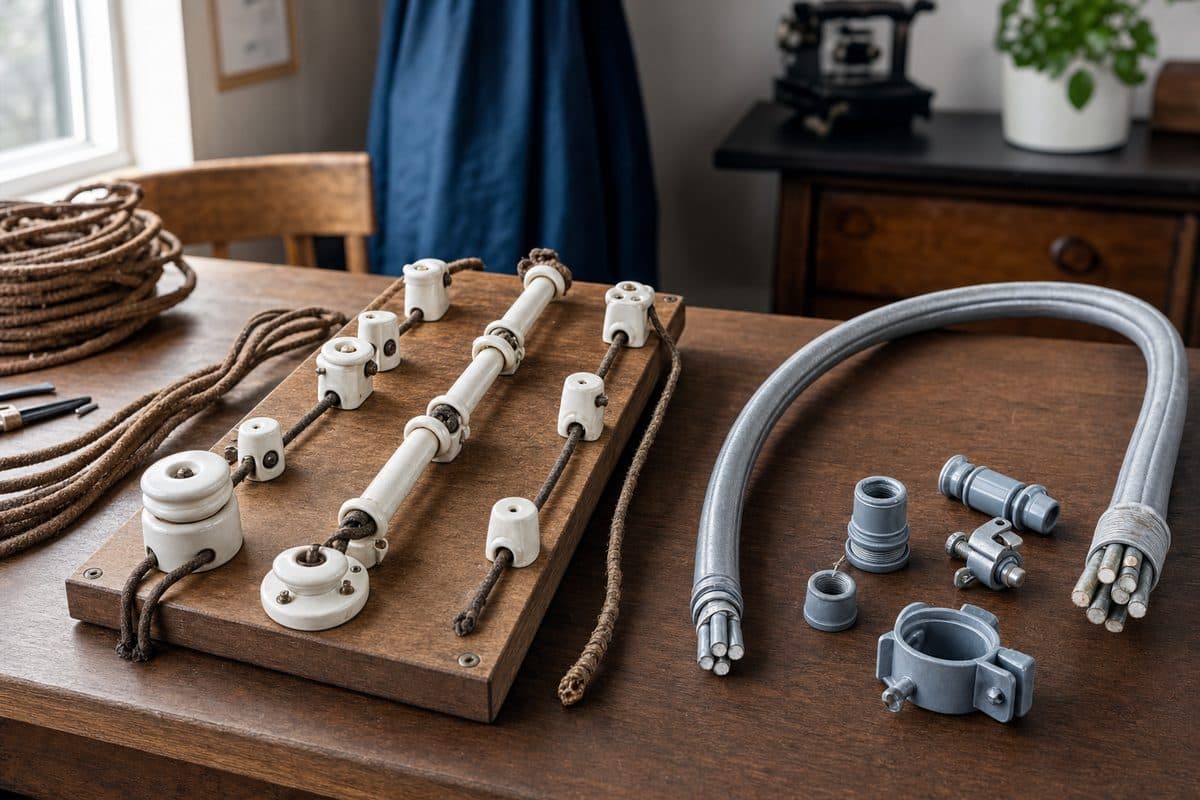
Aluminum Wiring and Knob-and-Tube: What Homeowners Should Know
Aluminum branch-circuit wiring and knob-and-tube are different wiring systems with different risks and upgrade paths. Here is what homeowners should look for, what professionals evaluate, and what to ask for in a written scope.
Read guide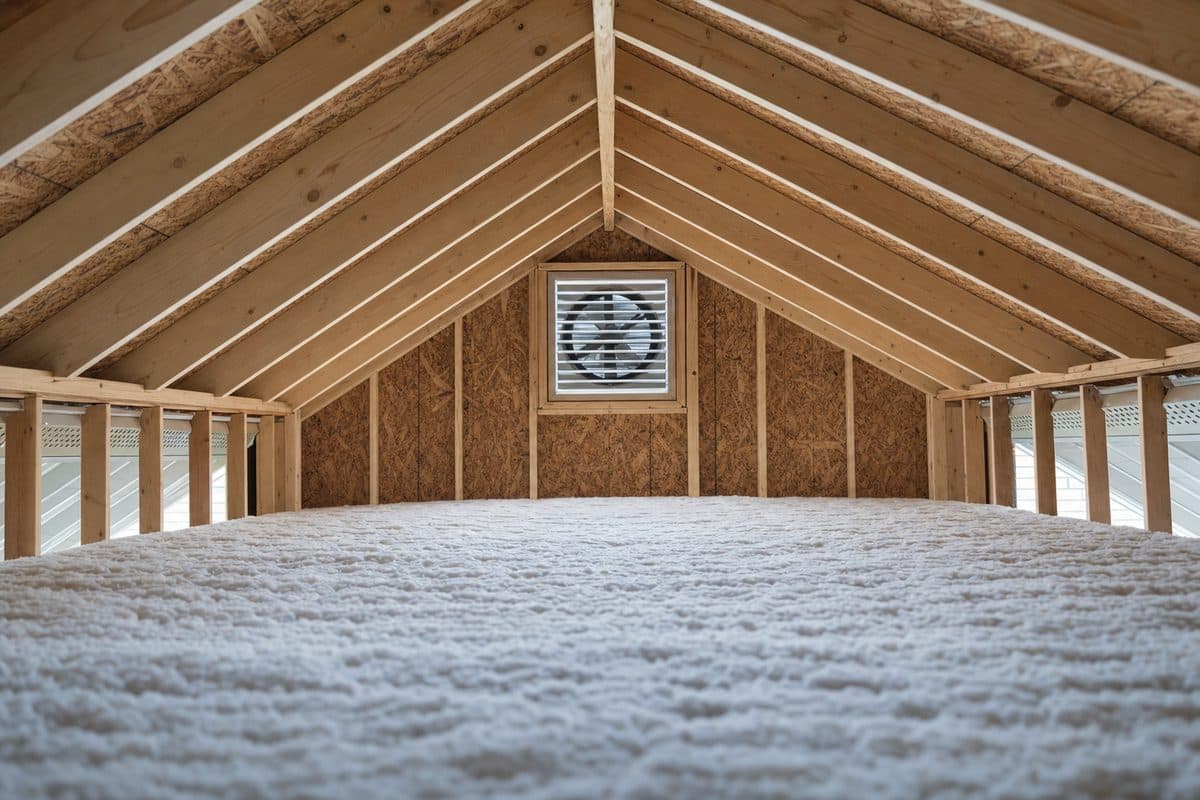
Attic Fan Installation: Electrical and Ventilation Planning
A powered attic ventilator is not the same as a whole-house fan, and the right choice depends on attic ventilation, air sealing, and electrical planning. Use this guide to understand tradeoffs and gather the details a qualified electrician and ventilation professional will want to review.
Read guide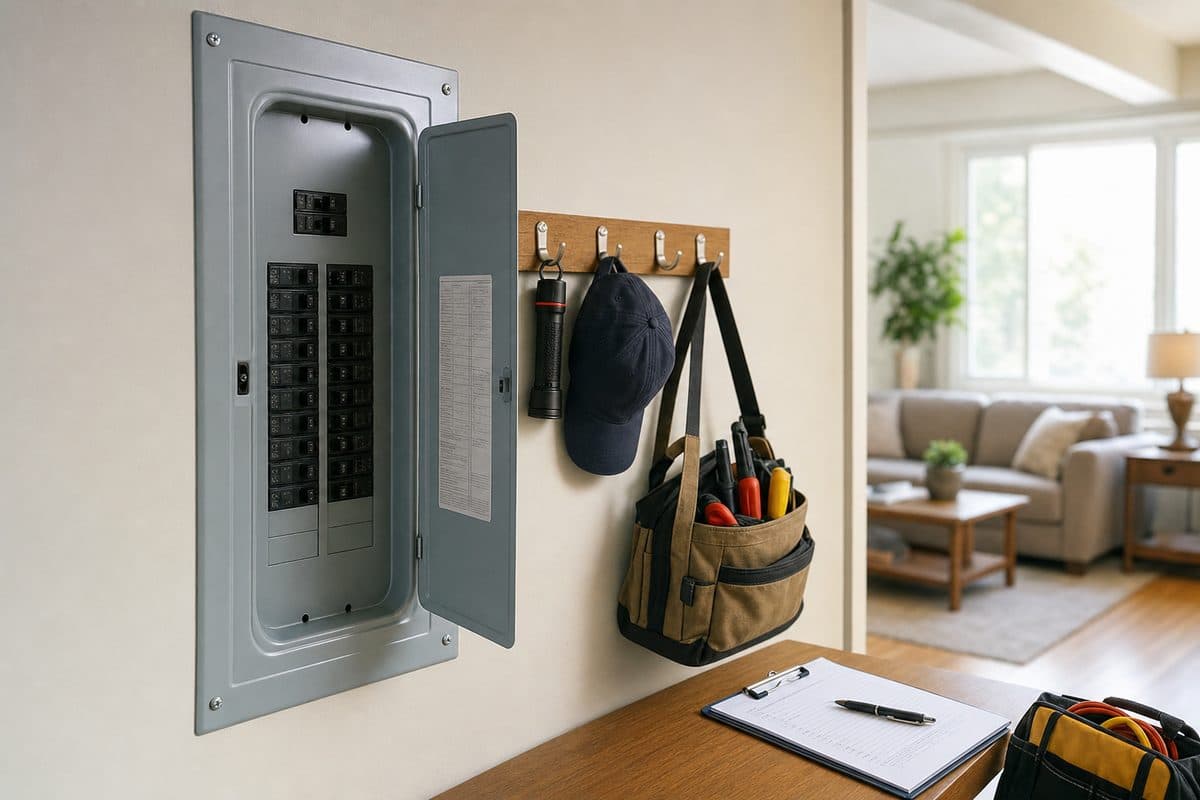
How to Prepare for an Electrical Inspection
Whether for a home sale, renovation, or peace of mind, an electrical inspection goes smoother with a little prep. Here is how to get ready.
Read guide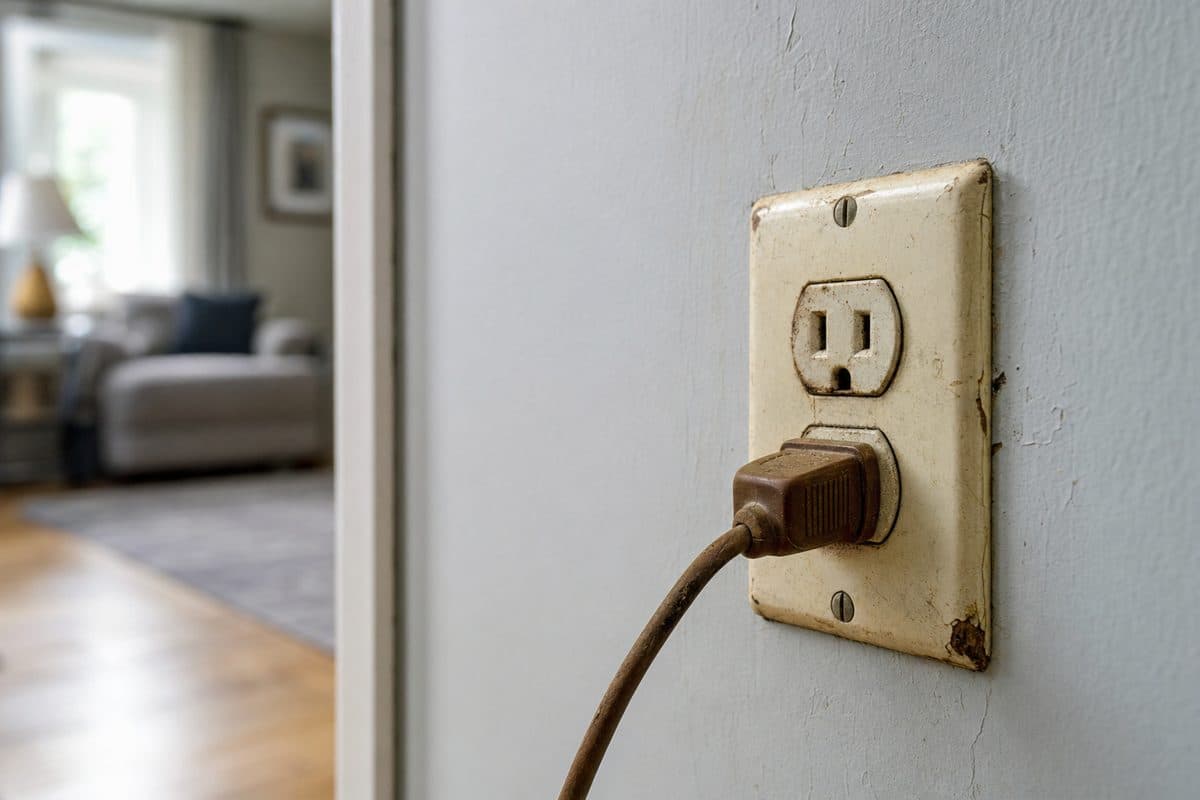
Signs of Old or Unsafe Wiring
Old or unsafe wiring often hides behind walls, but it leaves clues. Here are the warning signs to watch for and what to do if you spot them.
Read guideNationwide coverage
Electrical Inspection by state and city
Select a state or popular city to view inspection guidance and check electrician availability in that area.
Get electrical inspection help
Call or request availability to connect with electrician help.
Call (833) 962-0486 to talk through the electrical problem and check electrician availability.