Updated July 25, 2026Sources reviewed July 31, 20268 min read
Aluminum branch-circuit wiring and knob-and-tube are not the same thing, and they should not be discussed as if they create identical concerns. If you suspect either system is present, avoid disturbing switches, outlets, fixtures, or exposed conductors, limit use of any problem area, and request evaluation by a qualified electrician. The right recommendation can range from documenting conditions and monitoring, to approved repair methods, to partial or full rewiring, depending on what is actually in the home and how it has been altered over time.
Why these two wiring systems are different
Aluminum branch-circuit wiring is associated with connection issues at terminations and devices, while knob-and-tube is an older wiring method that raises questions about age, condition, and later modifications. Neither system should be judged by name alone. What matters most is the present condition, where it is located, how much remains in service, and whether past work introduced splices, overloading, insulation contact, or other concerns that need professional review.
- Aluminum branch-circuit wiring is often discussed in relation to connection reliability and the need for repair methods accepted for that wiring type.
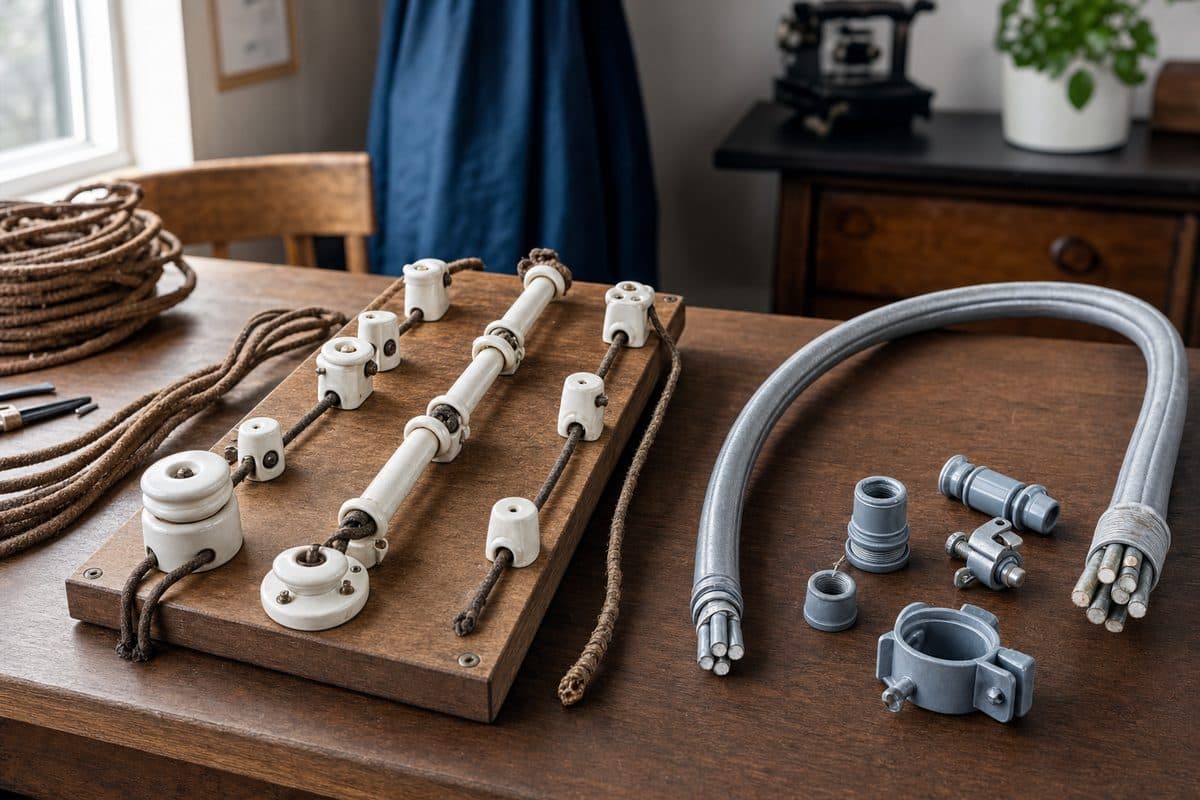
- Knob-and-tube is often discussed in relation to age, missing grounding path, exposed runs in older spaces, and whether later renovations changed its original conditions.
- Either system can be more concerning when there is visible damage, overheating, amateur alterations, or signs that the home has been partly updated over time.
What homeowners can safely notice, and what to avoid
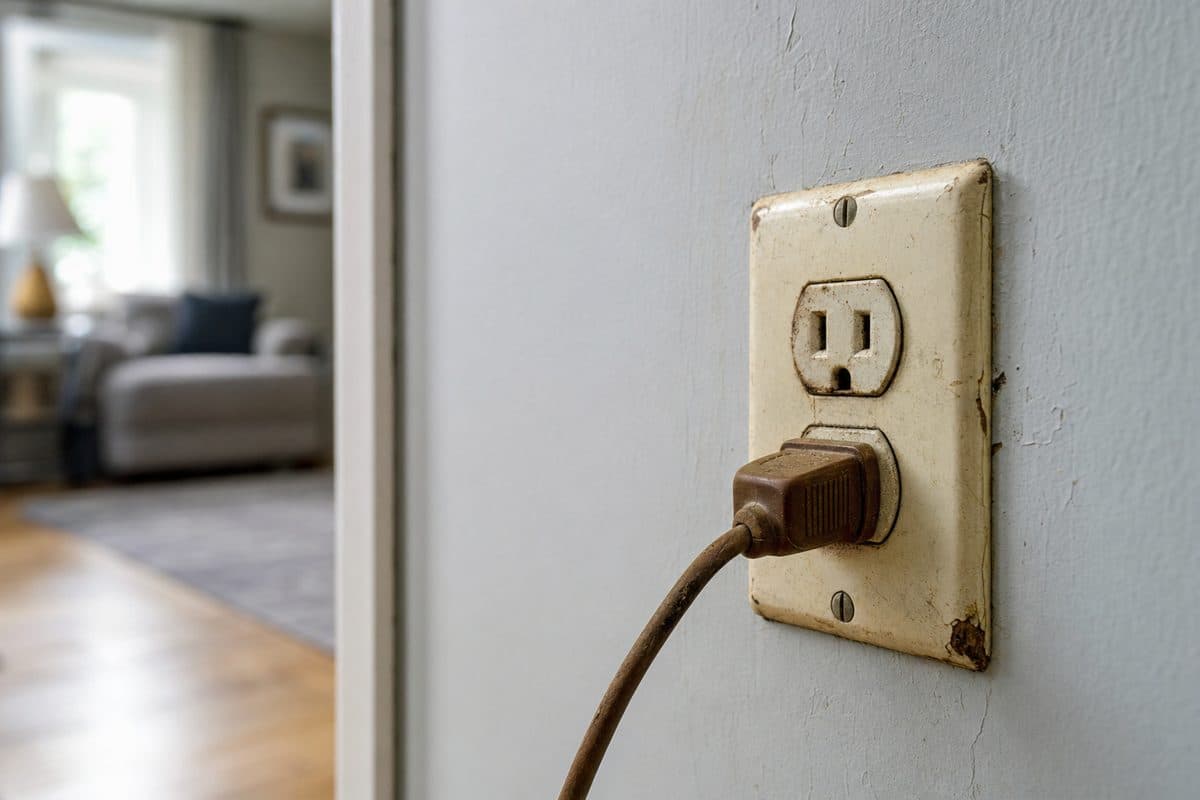
A homeowner can gather useful information without opening devices or electrical boxes. Safe observation means looking, smelling, and noting patterns. Do not remove cover plates, pull devices from walls, or inspect wiring inside panels, attics, or boxes unless an electrician directs and performs that work.
- Look for flickering lights, warm or discolored switches or outlets, buzzing, a burning odor, or tripping breakers tied to specific areas.
- Note where older wiring may still be present, such as unfinished attics, basements, crawl spaces, or portions of the home that were not remodeled.
- Gather records from prior inspections, seller disclosures, insurance correspondence, and any invoices for rewiring, repairs, or renovations.
Why condition and prior alterations matter so much
Older wiring systems are often less about the original method alone and more about what happened afterward. A home may have a mix of old and newer wiring, abandoned sections, undocumented splices, replacement devices, added lighting, insulation changes, or room conversions. These details affect safety, repair options, project scope, and whether a localized repair is reasonable or a broader rewiring plan makes more sense.
- Partial remodels can leave hidden transitions between old and new wiring methods.
- Replacement switches, outlets, and fixtures may not tell the full story about what is behind the walls.
- Attic and basement work, added receptacles, or converted spaces can change the original loading and routing in ways that deserve review.
- Visible age alone does not determine the right solution, but damage, heat, brittle insulation, or questionable splices can materially change the recommendation.
Insurance, real estate, and renovation questions
These wiring systems often come up during home purchases, policy applications, claims reviews, and remodeling plans. Requirements can vary by insurer, city, county, and state. Some homeowners are asked for documentation showing evaluation, repairs, or rewiring in certain areas, while others need a clearer map of what wiring remains before planning a renovation budget.
- Ask what documentation is needed: inspection notes, photos, a written electrician report, or a proposal describing corrective work.
- If you are buying or selling, clarify whether the concern is active damage, the mere presence of an older wiring method, or uncertainty about altered areas.
- Before remodeling, ask how existing wiring conditions could affect demolition, new circuits, insulation work, fixture changes, or permit planning.
What a professional evaluation usually covers
A qualified electrician can determine whether aluminum branch-circuit wiring, knob-and-tube, or a combination of legacy and newer wiring is present, and how much of it remains in service. The evaluation typically focuses on accessible conditions, signs of overheating or damage, the nature of existing terminations and splices, and whether prior modifications appear appropriate. For aluminum branch-circuit wiring, consumer safety guidance emphasizes that not every repair approach is acceptable, which is one reason a detailed professional assessment matters.
Possible outcomes: evaluation, approved repair methods, or rewiring
After inspection, the recommendation may fall into a few broad categories. Some homes need a written condition report and targeted corrections. Some aluminum branch-circuit wiring situations may call for repair methods recognized as appropriate for that wiring type, rather than casual device replacement or generic connector choices. In other homes, especially where knob-and-tube is deteriorated, heavily altered, or incompatible with renovation goals, partial or full rewiring may be the more practical long-term option.
- Evaluation only, when the immediate goal is identification, risk review, and planning.
- Targeted correction of documented defects or overheating points found in accessible areas.
- Approved repair methods for aluminum branch-circuit wiring, when the electrician determines they are suitable.
- Partial rewiring, when concerns are limited to certain circuits, rooms, or altered areas.
- Full rewiring, when widespread age, damage, renovation plans, or mixed conditions make a piecemeal approach less workable.
What to ask for in a written scope or quote
A useful written scope should explain what the electrician observed, what remains uncertain, and exactly what work is included. This helps you compare proposals that may otherwise look similar but are based on very different assumptions. It also reduces confusion later if hidden conditions are found once access improves.
- Which wiring system was identified, and in what accessible areas it was observed.
- Whether the proposal is for evaluation only, repairs, partial rewiring, or full rewiring.
- How the scope treats existing devices, fixtures, branch circuits, and transitions between old and new wiring.
- What assumptions were made about concealed conditions behind walls, ceilings, or insulation.
- Whether the quote includes documentation for insurance or renovation planning, if needed.
- Any exclusions, such as patching, repainting, limited access areas, or work triggered by hidden conditions discovered later.
If you are deciding what to do next, start by matching the service to your goal: inspection for clarity, rewiring consultation for renovation planning, or corrective work when warning signs are present. ElectricianQuotes can help connect you with electricians for aluminum wiring evaluation, knob-and-tube rewiring discussions, general wiring and rewiring, or an electrical inspection, with availability varying by location and provider.
Need help with aluminum wiring replacement?
Call ElectricianQuotes or check availability online for help with your electrical project.
Frequently asked questions
Does aluminum wiring always need to be completely replaced?
Not necessarily. Consumer safety guidance distinguishes between acceptable and unacceptable repair approaches for aluminum branch-circuit wiring, and the right recommendation depends on the conditions found. Some homes may need approved repairs, while others may need broader rewiring because of damage, alterations, or project goals.
Is knob-and-tube wiring automatically unsafe or uninsurable?
Not automatically. Concerns usually center on age, condition, and later modifications, not just the name of the wiring method. Insurance requirements and underwriting decisions can vary, so homeowners should ask what documentation or corrective work is being requested in their specific situation.
How can I tell whether my home has aluminum wiring or knob-and-tube?
The safest approach is a professional inspection. Homeowners can note clues such as the age of the home, visible older wiring in unfinished spaces, or paperwork from prior inspections, but they should not open outlets, switches, or panels to try to confirm the wiring type.
What should be included in a quote for older wiring work?
Ask for a written scope that identifies the wiring type observed, the accessible areas reviewed, the recommended approach, and any assumptions or exclusions. It should also state whether the work is evaluation only, targeted repair, partial rewiring, or full rewiring, and whether documentation for insurance or renovation planning is included.
Sources and review
Technical and safety facts in this guide were checked against the listed sources on July 31, 2026. Cost and timing language is planning context, not a property-specific quote. Local code, permit, inspection, utility, and product requirements should be confirmed for the project address and equipment. Comparisons and next-step recommendations are editorial planning guidance; on-site findings determine the work.