Updated July 25, 2026Sources reviewed July 31, 20268 min read
Choosing between a portable generator and a standby generator starts with safety and expectations. If you are planning backup power for outages, focus on what you need to run, how you want power connected, what fuel is practical, and how a qualified electrician would integrate the setup with your electrical system.
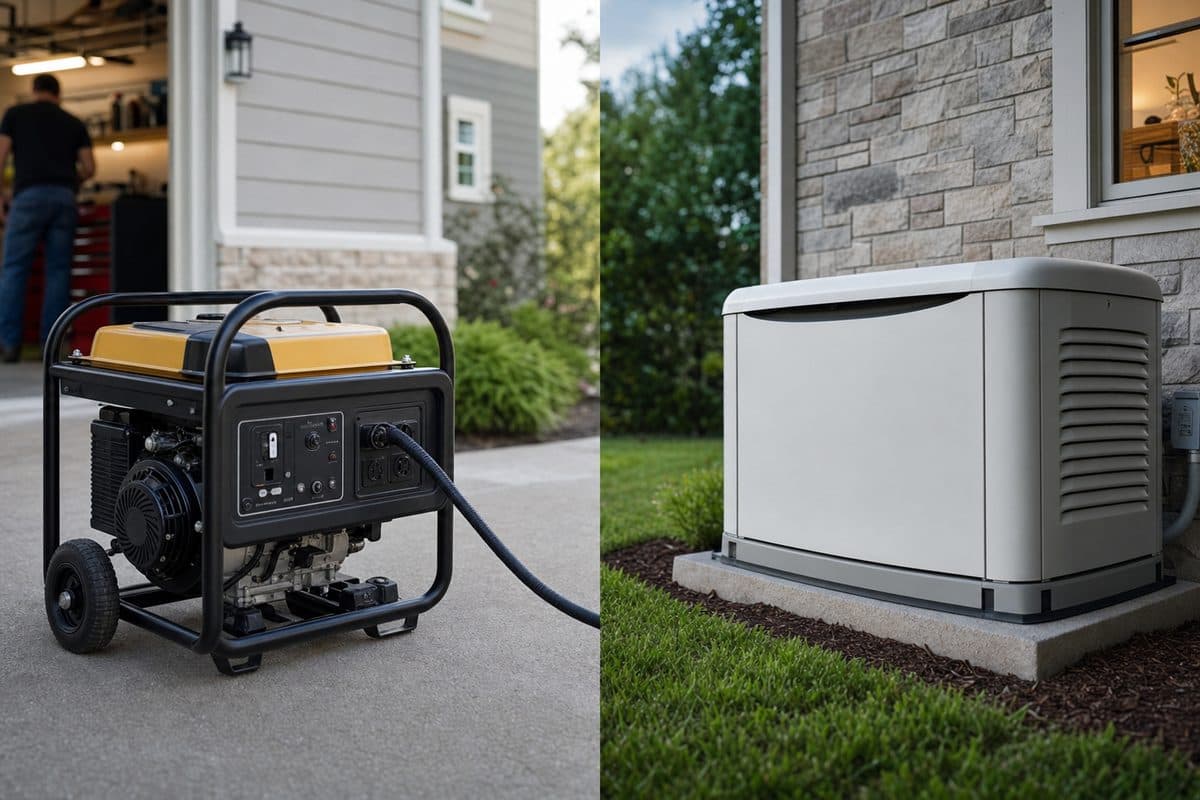
Portable vs standby: the core difference
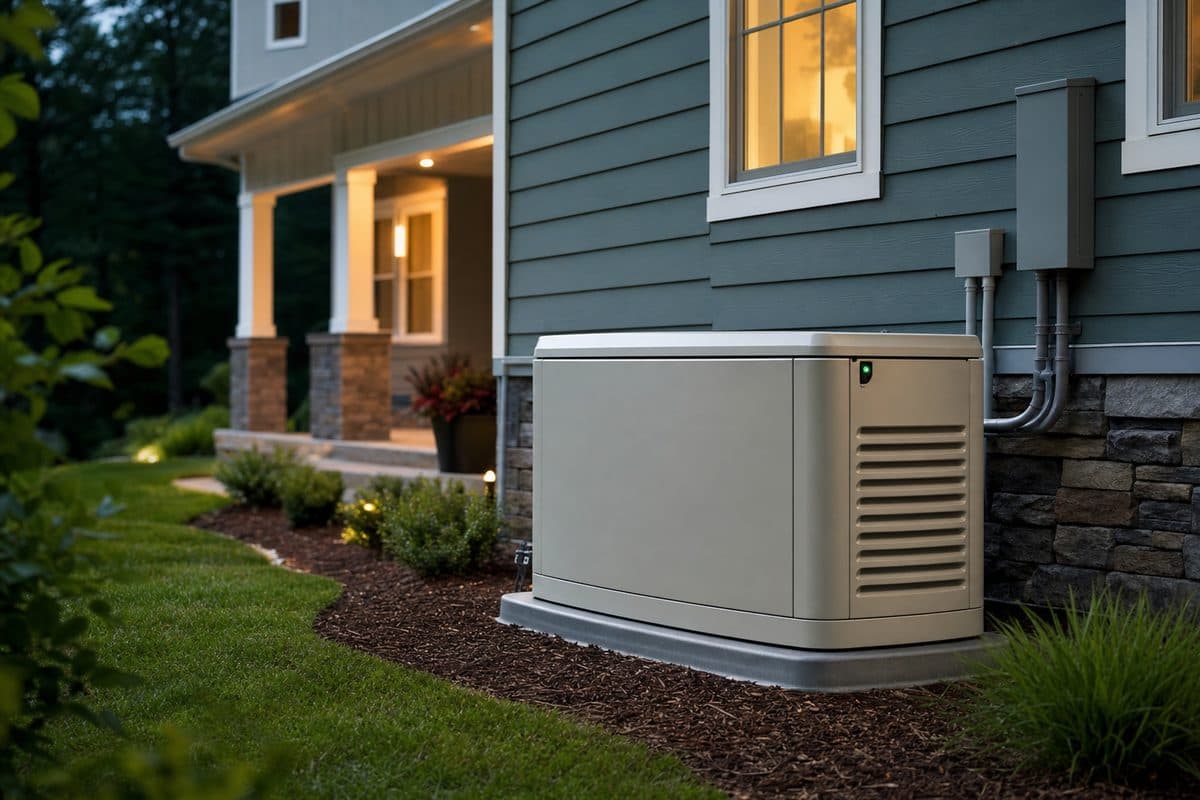
Portable generators are movable units that are brought out when needed and usually power selected items rather than an entire home. Standby generators are permanently installed systems that are connected to the home through transfer equipment and designed to restore power automatically or with minimal homeowner involvement, depending on the setup.
- Portable generators are often a fit for occasional outages, smaller loads, or households that only need key appliances or devices powered.
- Standby generators are often considered when outages are frequent, medical or business needs are critical, or the goal is broader home coverage.
- A portable unit usually involves more manual setup during an outage.
- A standby system is a larger installation project that typically requires electrical planning and may also involve fuel supply coordination.
How to think about generator sizing
Sizing is less about guessing wattage and more about deciding which loads matter most during an outage. A useful plan separates must-have items, such as refrigeration, lighting, well equipment, internet gear, or heating system components, from nice-to-have items. A qualified electrician or generator provider can help translate those needs into a safe backup power design.
- List the equipment you would want available during a typical outage.
- Note whether you want only essentials powered or broader home backup.
- Identify any large loads that can change the size and cost of the project.
- Gather your panel information, current service size, and any known electrical limitations for quote discussions.
Why the transfer switch matters
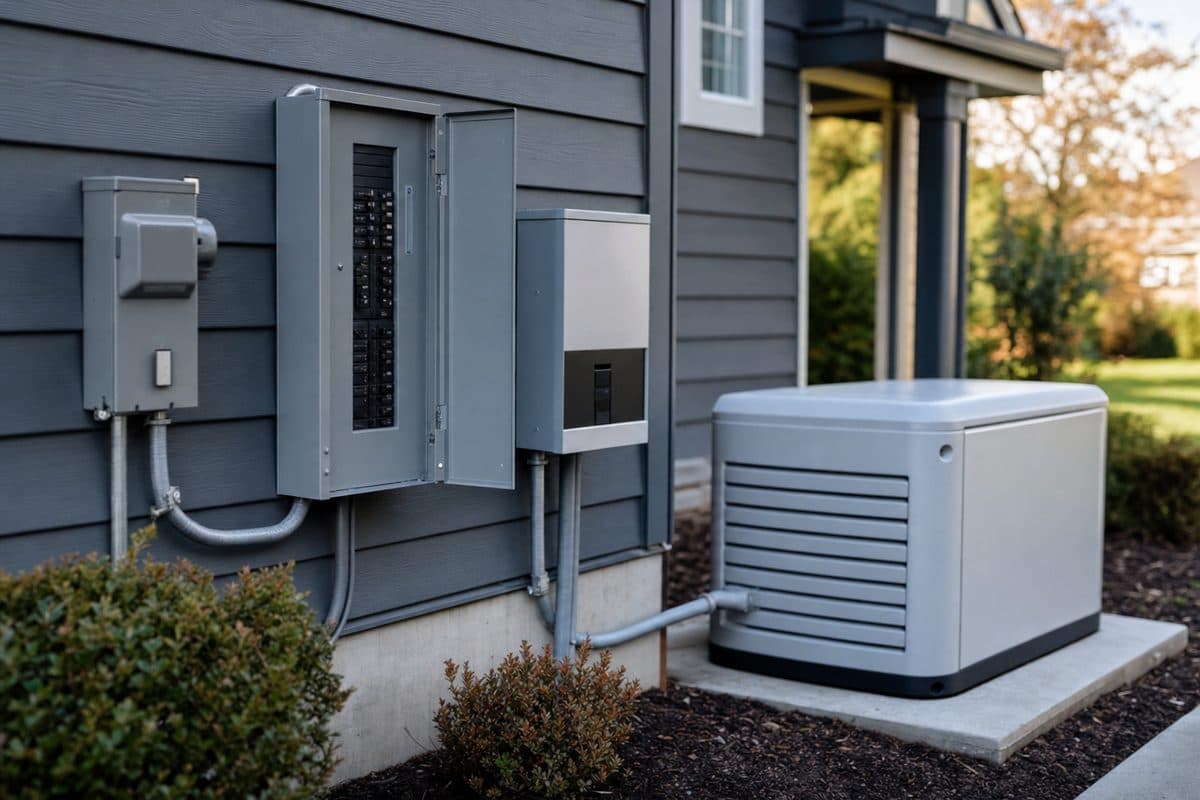
The transfer switch is a key part of a safe generator setup because it controls how backup power connects to the home. For both portable generator hookups and standby systems, the connection method should be designed and installed by a qualified electrician. Backfeeding a home through a receptacle is not a safe option and should never be used.
Fuel, runtime, and everyday practicality
Fuel choice affects convenience, storage, and outage planning. Portable generators may appeal to people who want lower upfront commitment, but they also require setup, refueling, and safe fuel handling during outages. Standby systems are built for convenience and can be easier to live with when outages are longer or more disruptive, but they involve a more permanent project and more planning before installation.
- Think about how often outages happen and how long they usually last.
- Consider whether you can safely manage fuel storage and refueling during bad weather.
- Decide whether manual setup is acceptable or if automatic backup is the priority.
- Ask providers what fuel-related work or coordination may be needed for the options you are comparing.
Automatic vs manual backup power
Automation is one of the biggest decision points. A standby generator is usually chosen for automatic response and less hands-on effort. A portable generator is generally more manual, which can be acceptable for occasional outages but less convenient when power failures happen overnight, while you are away, or when someone in the home cannot manage setup comfortably.
Carbon monoxide and placement safety
Portable generators create a serious carbon monoxide hazard and must be used outdoors, away from doors, windows, vents, and other openings. They should never be used inside a home, garage, basement, crawl space, or other enclosed or partly enclosed area. NFPA and CPSC safety guidance also emphasizes safe placement, careful fuel handling, and proper electrical connection by a qualified professional.
What a professional evaluates, and what to include in a quote request
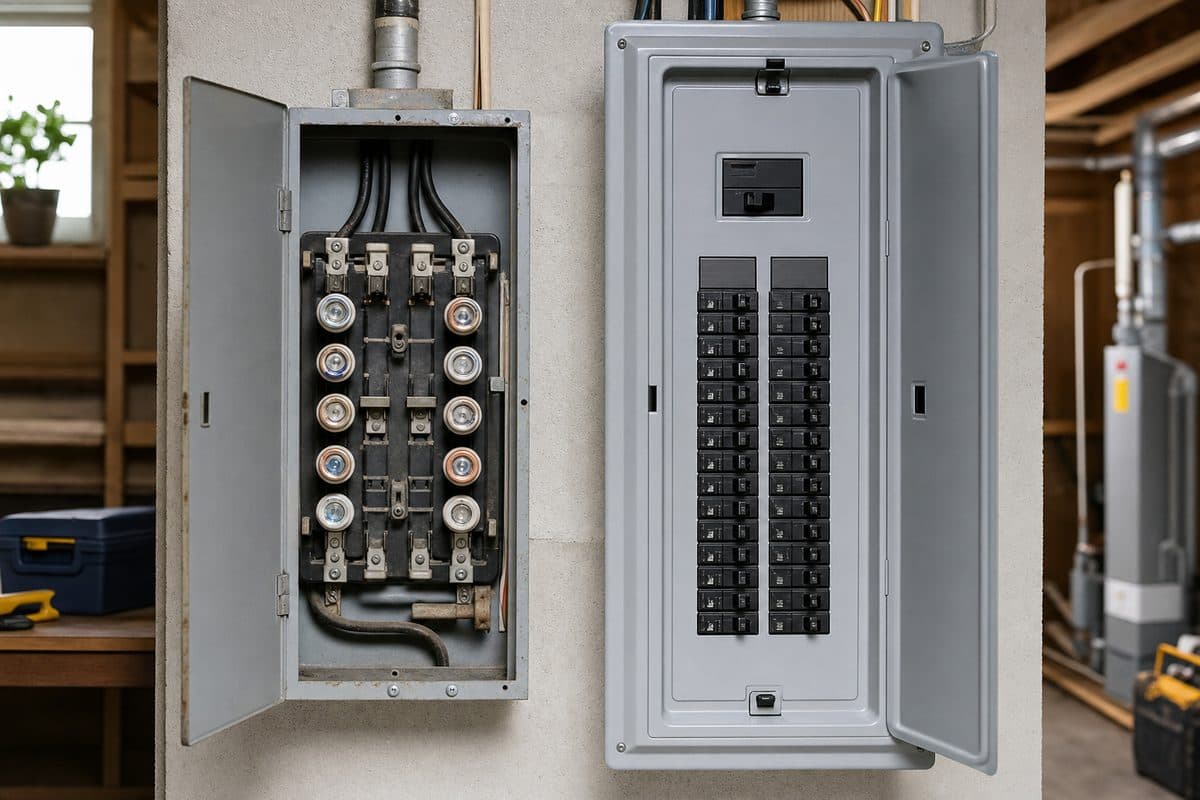
A qualified electrician will usually look at your service and panel, the loads you want to support, the transfer equipment approach, where equipment could be located, and whether your current electrical system needs changes to support the project. In some homes, a panel upgrade may be part of the conversation if the existing setup limits a safe generator connection.
- Your address and home type
- Whether you want portable generator hookup, standby generator installation, or both options priced
- A list of essential loads and any equipment that is especially important during outages
- Photos of the electrical panel, meter area, and proposed equipment locations, if safely accessible
- Whether you want manual operation or automatic backup
- Any known issues with the panel, breaker space, or previous outage problems
Your next decision is whether you want selective backup with more manual involvement or a more permanent whole-home style solution. Once you know the loads that matter most and your comfort level during outages, you can request quotes for generator installation, transfer switch installation, and, if needed, electrical panel upgrade work through providers available in your area.
Need help with generator installation?
Call ElectricianQuotes or check availability online for help with your electrical project.
Frequently asked questions
Is a portable generator enough for a whole house?
It depends on how much of the home you want powered and how much manual setup you are willing to handle. Many homeowners use portable generators for selected essentials, while standby systems are more often chosen for broader coverage and convenience.
Do I need a transfer switch for a generator?
A safe home generator connection should be planned with proper transfer equipment and installed by a qualified electrician. The exact setup depends on the generator type and your electrical system, but backfeeding through a receptacle is not safe and should never be used.
Where should a portable generator be used?
Portable generators must be used outdoors, away from doors, windows, vents, and other openings because of carbon monoxide risk. They should never be operated inside a home, garage, basement, crawl space, or similar enclosed or partly enclosed space.
Could a panel upgrade be needed for a generator project?
Sometimes. A qualified electrician may recommend panel changes or an upgrade if the existing electrical setup does not support a safe generator connection or appropriate transfer equipment. Requirements can vary by home and local permitting rules.
Sources and review
Technical and safety facts in this guide were checked against the listed sources on July 31, 2026. Cost and timing language is planning context, not a property-specific quote. Comparisons and next-step recommendations are editorial planning guidance; on-site findings determine the work.