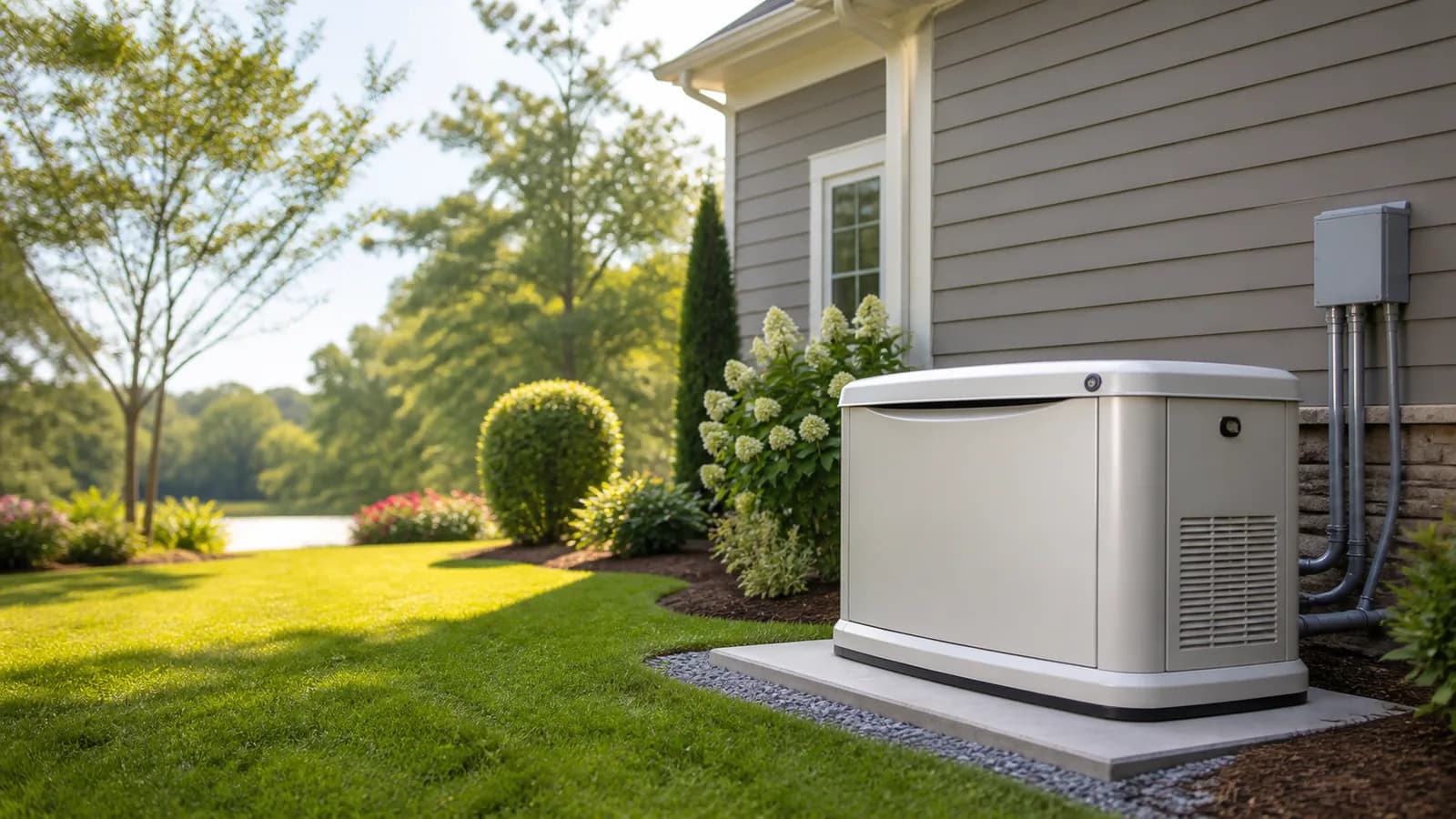
Generators guide
Generator Installation
A generator project starts with the loads you want to support, the generator type, the transfer method, and the property conditions. Portable and permanently installed systems have different equipment, fuel, placement, trade, and operating requirements.
Updated July 26, 2026
Generator Installation, explained
The key decision is: Which loads need backup power, and what generator, transfer equipment, placement, and fuel plan fit them? A useful installation scope connects the selected equipment and location to wiring, capacity, access, controls, testing, and finish responsibilities.
Start with the affected equipment or area, the visible condition or desired result, and any recent change. The sections below explain the scope choices and quote details that matter for generators.
When to plan generators
Define the equipment, location, intended use, existing conditions, and finish expectations before comparing installation proposals.
Needs and situations this service covers
- I want backup power for outages
- Frequent or long power outages in your area
- A need to keep essentials like HVAC, fridge, or medical equipment running
- Storm-prone regions where outages are common
- A desire for automatic, whole-home backup power
What can change the scope
- Severe weather and grid disruptions
- Rural or storm-exposed locations
- Reliance on power for medical or work-from-home needs
- Older grid infrastructure in some areas
- A power inlet, transfer equipment, panel or selected-load work, generator cable, labels, operating plan, and testing may be included.
- The project can include generator electrical connections, transfer equipment, feeders, controls, batteries or accessories, load management, startup coordination, and documentation.
Which loads need backup power, and what generator, transfer equipment, placement, and fuel plan fit them?
The proposal should connect the backup goal to a defined generator, transfer method, electrical source and loads, equipment locations, controls, approvals, testing, and trade responsibilities.
Portable-generator connection
A power inlet, transfer equipment, panel or selected-load work, generator cable, labels, operating plan, and testing may be included.
Permanent standby system
The project can include generator electrical connections, transfer equipment, feeders, controls, batteries or accessories, load management, startup coordination, and documentation.
Selected backup circuits
Critical lighting, refrigeration, pumps, communications, heating controls, medical or accessibility needs, and other priorities should be identified with their operating limits.
Capacity and load management
Running and starting loads, service size, panel arrangement, managed loads, simultaneous use, and future plans can shape the generator and transfer design.
Placement and route coordination
Generator and transfer-equipment locations, clearances, access, exterior routes, trenching, weather exposure, noise considerations, and restoration should be assigned.
Fuel and equipment coordination
Generator supply, fuel type and capacity, gas or fuel work, concrete pad, equipment delivery, electrician scope, commissioning, and warranties should have named owners.
Useful observations and electrical safety boundaries
Share what you can observe without opening equipment or touching wiring. Energized testing, disassembly, and repair belong to a qualified electrician.
Useful details to note
- The appliances, systems, and rooms you want available during an outage, including which must operate together
- Generator make, model, output, fuel type, manual, and accessories if equipment has already been selected
- Preferred generator and transfer-equipment locations, distance to the electrical service, and likely exterior route
- Existing solar, battery storage, EV charging, well pumps, sump pumps, HVAC, medical equipment, or other managed loads
- List the circuits or appliances you most need during an outage
- Note whether you want portable or permanent standby power
Leave these steps to an electrician
- Do not connect a generator to a household receptacle or improvise a connection to the panel
- Do not bypass, defeat, or manually hold transfer equipment or interlocks in position
- Do not open generator electrical compartments, transfer equipment, or panels to inspect wiring
- Do not use damaged, wet, overheated, sparking, or scorched generator connection equipment
- Never connect a generator to your home without a proper transfer switch, backfeeding is extremely dangerous.
- Transfer switch and generator wiring must be done by qualified electricians.
Warning signs to mention when requesting help
There is active fire, visible smoke, or a serious electrical injury; Whenever a generator will connect to your home's wiring; For any transfer switch installation; To size a standby generator to your home's needs; For permits and utility/fuel coordination in your area.
How an electrician plans generators
The exact sequence depends on the selected equipment, existing electrical system, route, access, and findings at the property.
- 1
Define backup priorities
List required and optional loads, simultaneous operation, starting demands, outage goals, manual tasks, and any medical or accessibility priorities.
- 2
Evaluate the electrical system
Review the service, panels, circuits, existing generation or storage, grounding and bonding arrangement, and available equipment locations.
- 3
Select the system approach
Match a portable or standby generator, selected-load or broader backup plan, transfer method, controls, and load management to the verified needs.
- 4
Coordinate site and trade work
Assign generator supply, placement, pad, fuel work, trenching, electrical routes, permits, inspection, startup, finish work, and scheduling.
- 5
Install the approved scope
Complete transfer equipment, inlet or generator feeder, panel and circuit work, controls, labels, accessories, restoration, and documentation.
- 6
Test and hand off
Verify normal utility operation, generator operation, transfer behavior, backed-up loads, load management, shutdown, and the owner operating procedure.
- 7
Define your needs
Decide what must stay powered and whether you want portable or standby.
Get generator installation help
Call or request availability to connect with electrician help.
What affects generators cost
Generator cost ranges widely between a portable setup with a manual transfer switch and a permanent standby generator with automatic transfer. Treat published ranges as planning references rather than a quote for a particular property.
Portable vs. permanent standby
Generator size and fuel type
Manual vs. automatic transfer switch
Placement, permits, and fuel hookups
| Scope | Typical range | What it usually involves |
|---|---|---|
| Portable + manual transfer switch | $1,750-$4,750 | Essentials backup |
| Standby generator (smaller) | $6,500-$15,500 | Automatic backup for key circuits |
| Whole-home standby + automatic | $13,000-$31,500 | Full-home automatic backup |
Cost ranges are estimates developed from standardized project scopes and reviewed pricing inputs. Government labor and regional cost data are used where applicable. See our Pricing Methodology for the exact sources, calculations, and review date. Actual prices vary by property, scope, materials or equipment, location, and provider.
How to compare the written scope and quote
Compare what each proposal includes, what assumptions it makes, and how findings that change the scope will be handled, not only the total price.
- Which loads and circuits are included, and which are excluded or managed?
- Which generator, inlet, transfer equipment, panels, controls, cables, and accessories are included?
- What load information supports the proposed generator and transfer design?
- Who handles generator supply, placement, pad, fuel work, trenching, delivery, startup, and finish restoration?
- How are solar, storage, EV charging, HVAC, pumps, and other large or controlled loads addressed?
- Are permits, inspection, labels, utility coordination, and commissioning included when required?
- How will normal power, generator power, transfer operation, selected loads, controls, and shutdown be tested?
- What site, fuel, equipment, access, or load condition could change the scope or price?
Common issues related to generators
Choose the closest visible symptom for a focused explanation of urgency, useful observations, and the service that may fit.


Generator Installation: common questions
What size generator do I need?
It depends on what you want to keep running, a few essentials versus the whole home. An electrician can help size a generator to your priority loads so it isn't undersized or wastefully large.
Why do I need a transfer switch?
A transfer switch safely disconnects your home from the grid while on generator power. Without one, power can backfeed onto utility lines, which is dangerous to you and utility workers. It's required for a safe, legal connection.
Portable or standby generator, which is better?
Portable units cost less and can power essentials through a transfer switch but need manual setup and refueling. Standby generators start automatically and can power more, at a higher cost. An electrician can help you weigh the trade-offs.
How does ElectricianQuotes help with generators?
We help you understand your options and connect with electrician help for sizing, transfer switch installation, and quotes. Availability may vary by location and provider.
Sources and editorial review
Service guidance is checked against the government, safety, and consumer sources below. Equipment instructions, site conditions, and the requirements that apply to a specific address can still change the right scope.


Helpful resources
Plan generators with clearer information
Use these related guides to understand the scope, prepare useful questions, and compare electrical proposals.
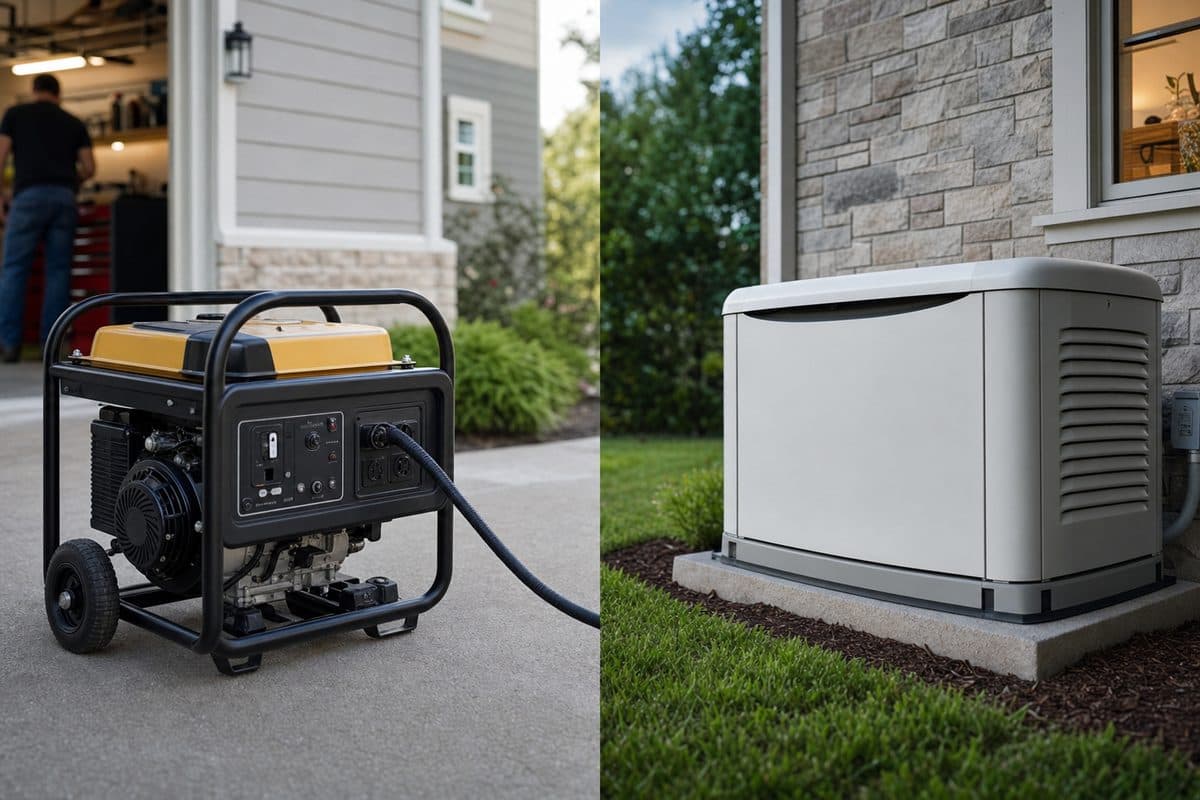
Portable vs Standby Generator: How to Choose
Portable and standby generators solve different backup power needs. Learn the tradeoffs around sizing, fuel, transfer equipment, automation, and carbon monoxide safety before requesting quotes.
Read guide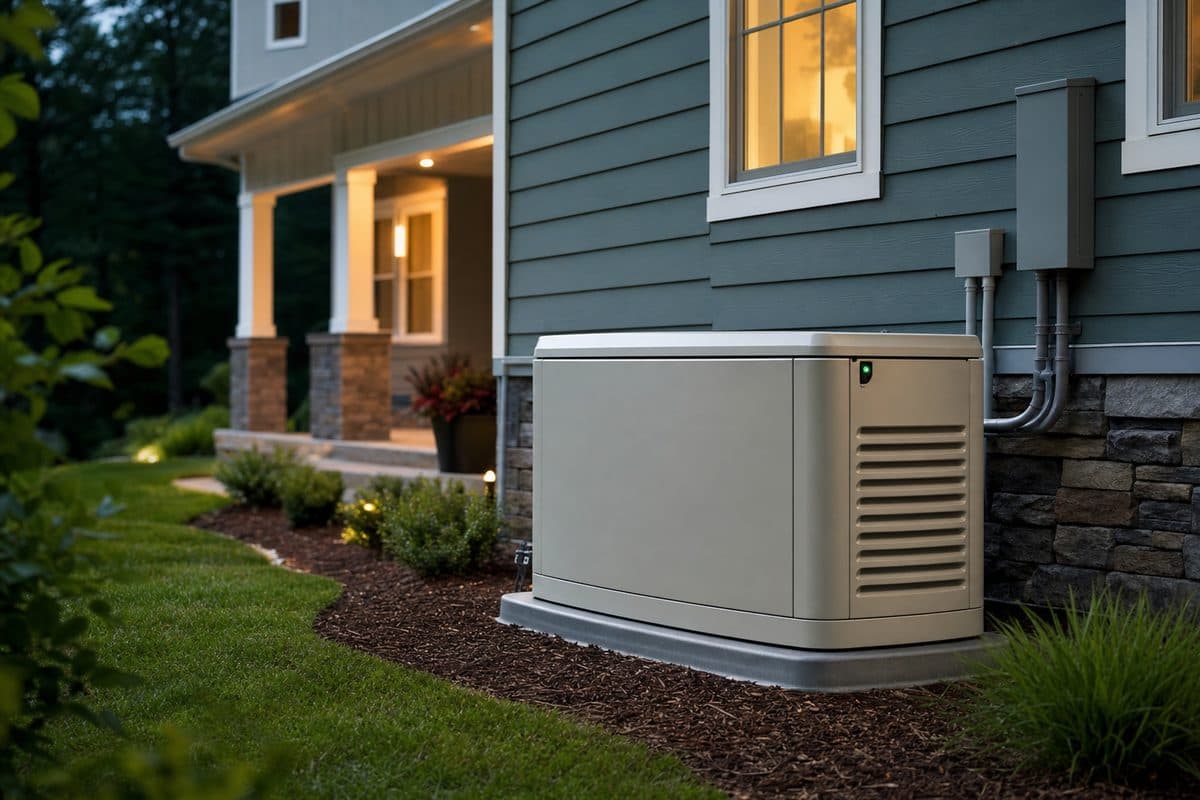
What to Know About Generator Installation
A backup generator keeps essentials running during an outage. Here is what to understand about types, sizing, transfer switches, and safe installation.
Read guide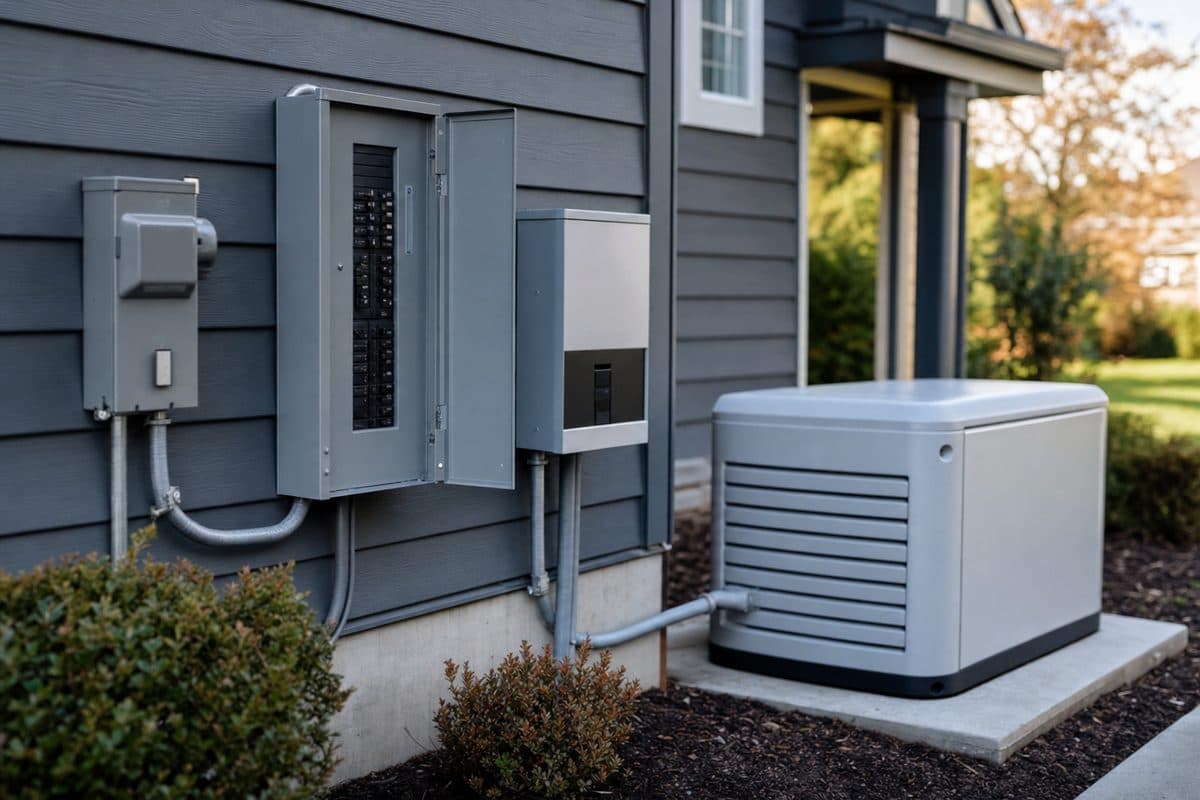
Do You Need a Panel Upgrade Before Installing a Generator?
Backup power and the panel are connected. Here is when a panel upgrade comes before the generator, and how to plan the two together.
Read guide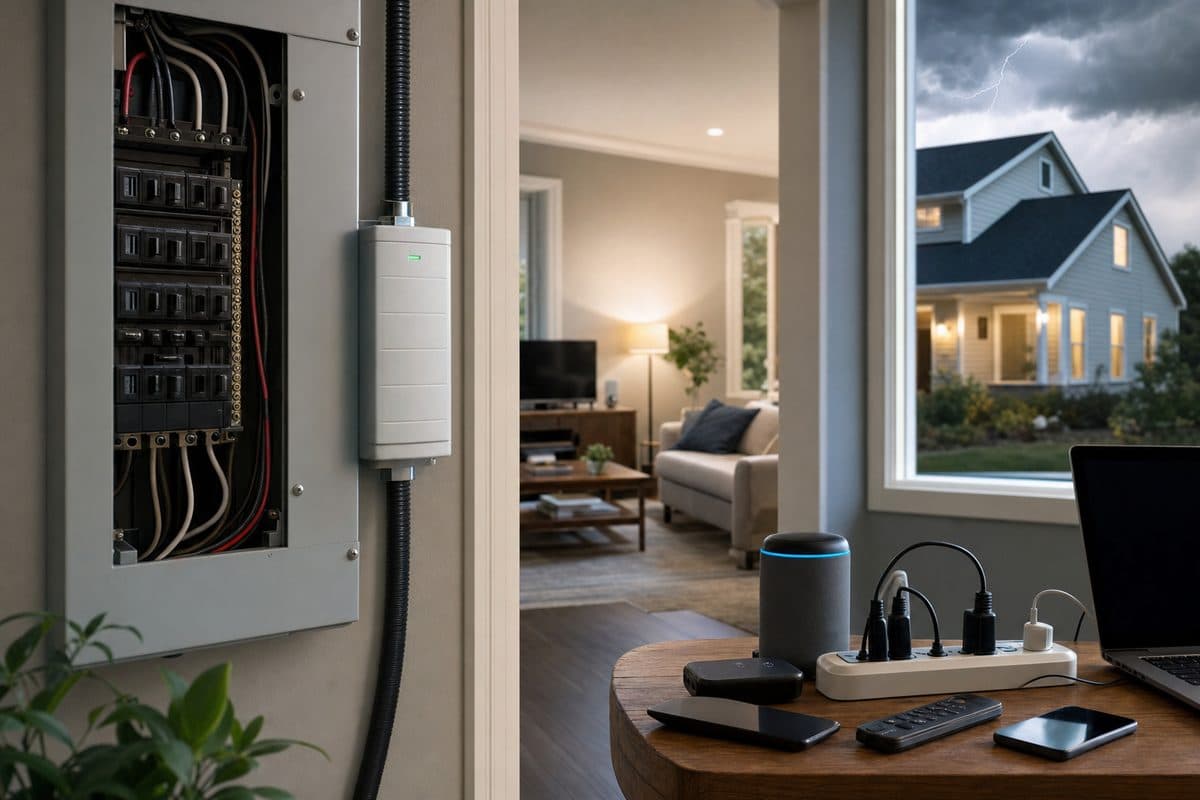
Whole Home Surge Protection Explained
Power strips protect one device; whole-home surge protection guards your entire electrical system. Here is how it works and what it does not cover.
Read guide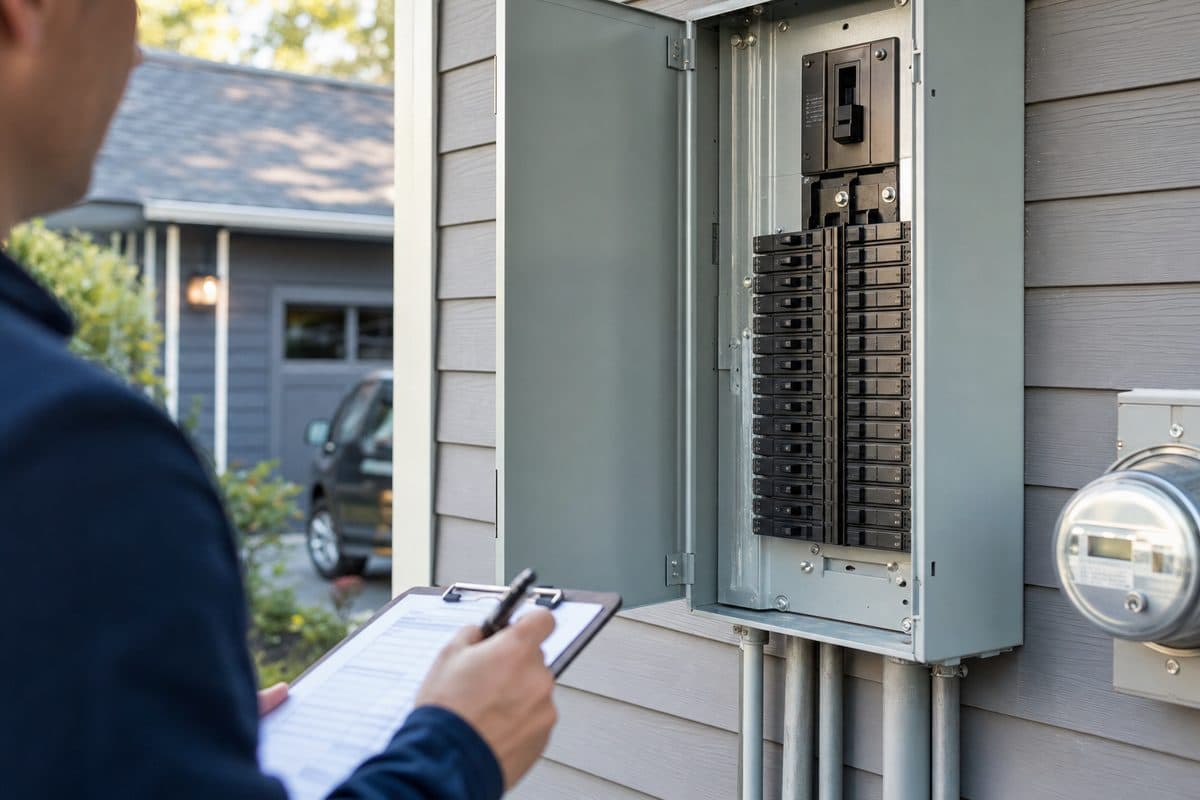
Do You Need a 200 Amp Electrical Panel?
200 amps is a popular target, but it is not automatic. Here is how electricians decide, and when a smaller or larger service makes sense.
Read guideNationwide coverage
Generator Installation by state and city
Select a state or popular city to view generators guidance and check electrician availability in that area.
Get generator installation help
Call or request availability to connect with electrician help.
Call (833) 962-0486 to talk through the electrical problem and check electrician availability.