Updated July 25, 2026Sources reviewed July 31, 20267 min read
Fuse boxes and breaker panels both exist to protect your home's wiring from overloads and faults, but they are not the same thing. If your home still has a fuse box, the key questions are its condition, whether it meets your household's electrical needs, and whether a qualified electrician sees warning signs that justify repair, upgrade, or full replacement.
What a fuse box does, and how it differs from a breaker box
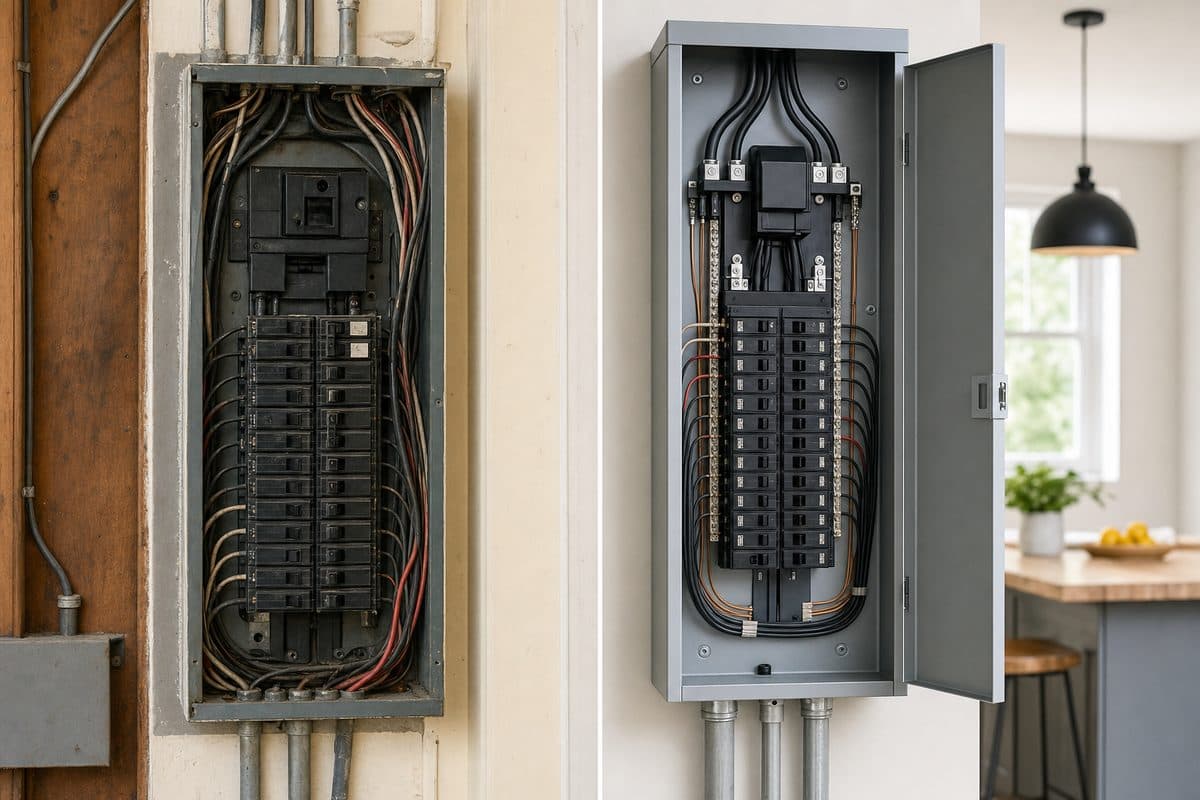
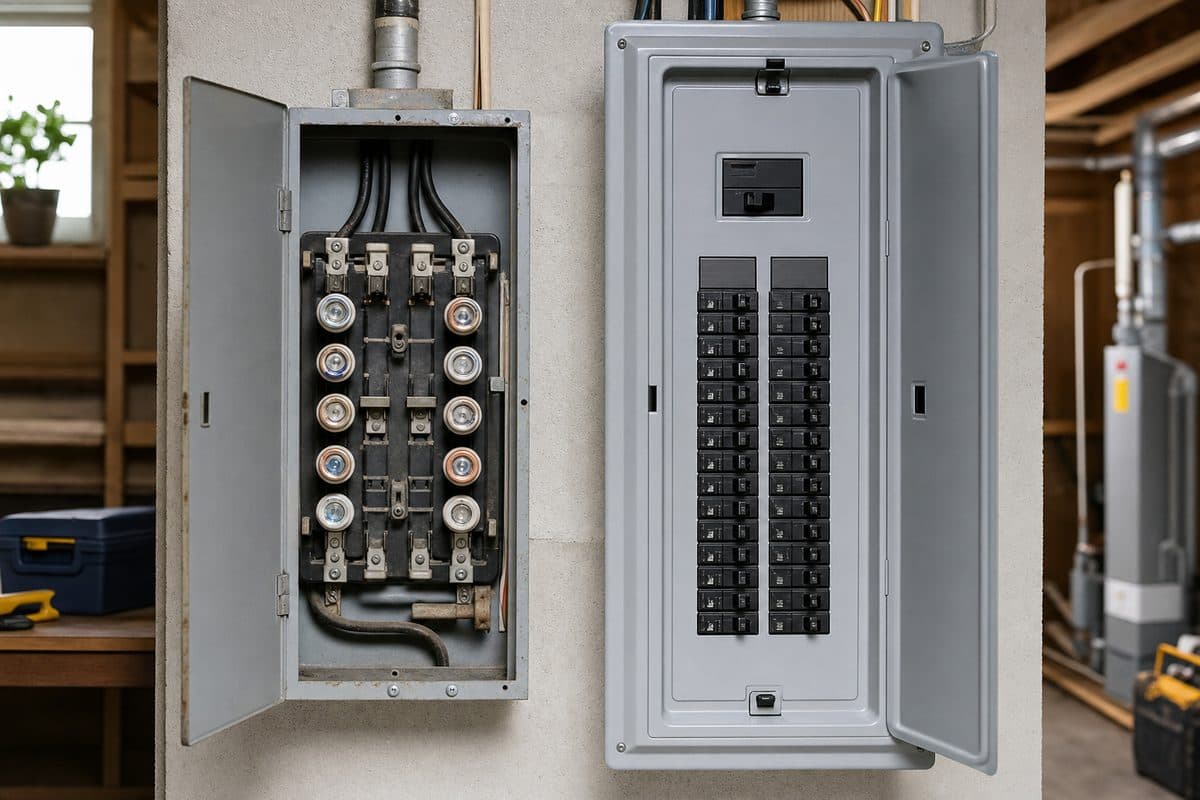
A fuse box uses replaceable fuses that are designed to melt and open a circuit when too much current flows. A breaker panel uses resettable circuit breakers that trip off instead. Both are intended to limit overheating and fire risk, but breaker panels are generally more convenient for modern homes because they are easier to reset and easier for electricians to expand, label, and evaluate.
- Fuses protect a circuit once, then must be replaced.
- Breakers trip off and can usually be reset after the cause is addressed.
- Modern panels typically make future circuit additions and service changes more straightforward.
- Older fuse setups may not align well with today's appliance loads and usage patterns.
Why fuse boxes are often considered outdated
A fuse box is not automatically unsafe just because it is old, but many fuse box systems were installed when homes used fewer large appliances, fewer electronics, and less overall power. That can leave older service undersized for current needs. The Consumer Product Safety Commission's home wiring guidance also points to older electrical systems as something worth professional attention when there are warning signs such as flickering lights, repeatedly blown fuses, or circuits that seem overloaded.
Common signs a professional evaluation makes sense
Older electrical systems should be evaluated based on condition and performance, not age alone. If your home has a fuse box and you are seeing reliability problems, planning renovations, or adding major electrical loads, an electrician can determine whether repair is reasonable or whether a panel upgrade or replacement is the better long-term option.
- Fuses blow repeatedly under normal household use.
- You rely on extension cords because there are not enough usable circuits.
- Lights dim or flicker when appliances start.
- You are adding equipment such as central air, a heat pump, or other major loads.
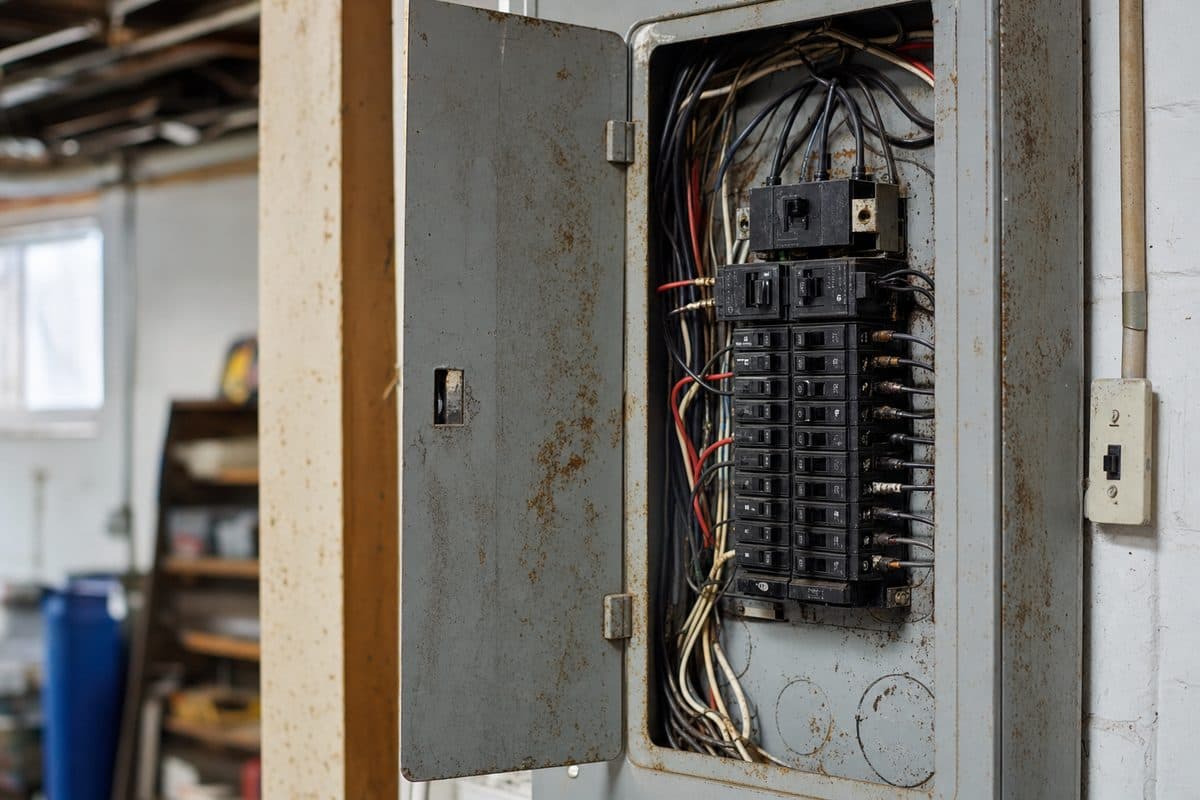
- The panel area shows rust, heat damage, missing covers, or unclear labeling.
- An insurer, home inspector, or buyer has asked for electrical review.
Repair, upgrade, or replace: how the decision is made
There is no universal rule that every fuse box must be replaced, and there is no one service size that fits every house. An electrician typically looks at the condition of the equipment, signs of overheating or improper modifications, the home's current electrical demand, and whether the existing setup can support present and future needs safely. In some cases a targeted breaker repair elsewhere in the system may solve a problem, while in others the fuse box itself is the limiting factor.
What a professional will usually evaluate
A useful assessment goes beyond identifying that the home has fuses. The electrician should examine how the system is performing, whether the service appears adequate for the home, and whether the existing equipment shows deterioration or compatibility concerns that affect reliability and safety. Requirements can vary by city, county, and state, so the recommendation should reflect local permitting and utility conditions as well as the home's actual load.
- Overall condition of the fuse box or panel enclosure
- Evidence of overheating, corrosion, or damage
- Whether circuits appear overloaded or poorly distributed
- How many circuits the home needs now and may need soon
- Whether labeling is clear and the system is practical to service
- Whether local permit and inspection requirements apply to the proposed work
What to gather before requesting quotes
You do not need to diagnose the problem yourself, but a little information helps electricians give more useful feedback. Safely note what you are experiencing, what major appliances or planned additions the home has, and whether the issue affects one area or the whole house. Photos of the closed panel area and any visible labeling can also help, as long as you do not remove covers or touch equipment.
If your home has a fuse box, the next decision is whether you need a simple diagnosis for a recurring issue or a broader panel evaluation tied to capacity, safety, and future plans. Requesting quotes is most useful when you can describe the warning signs, the age and type of equipment if known, and any upcoming electrical demands, so providers can explain whether repair, upgrade, or replacement is the most appropriate path.
Need help with electrical panel upgrade?
Call ElectricianQuotes or check availability online for help with your electrical project.
Frequently asked questions
Is every fuse box unsafe?
No. A fuse box is not automatically unsafe just because it is older. The main concerns are condition, signs of overheating or damage, whether the system is being used as intended, and whether it can safely support the home's electrical needs. A qualified electrician should evaluate those factors.
Does a fuse box mean I need a full panel replacement?
Not always. Some homes need a broader service or panel upgrade, while others may need a focused repair or a professional assessment before a decision is made. The recommendation depends on capacity, condition, equipment limitations, and local requirements.
Should I replace a blown fuse myself?
Because repeated fuse problems can point to overloaded or deteriorating wiring, it is better to stop using the affected circuit and have the issue evaluated, especially if it happens more than once. Homeowner action should be limited to safe observation and, where clearly safe, turning a circuit off or unplugging a device.
What should I ask when comparing quotes for fuse box replacement or panel upgrades?
Ask what problem the work is intended to solve, whether the recommendation is repair, upgrade, or replacement, whether permits and inspections are expected, what power interruption to expect, and whether related work may be needed. Pricing is project-specific and can vary by provider and location.
Sources and review
Technical and safety facts in this guide were checked against the listed sources on July 31, 2026. Cost and timing language is planning context, not a property-specific quote. Local code, permit, inspection, utility, and product requirements should be confirmed for the project address and equipment. Comparisons and next-step recommendations are editorial planning guidance; on-site findings determine the work.