Breaker Repair guide
Breaker Repair
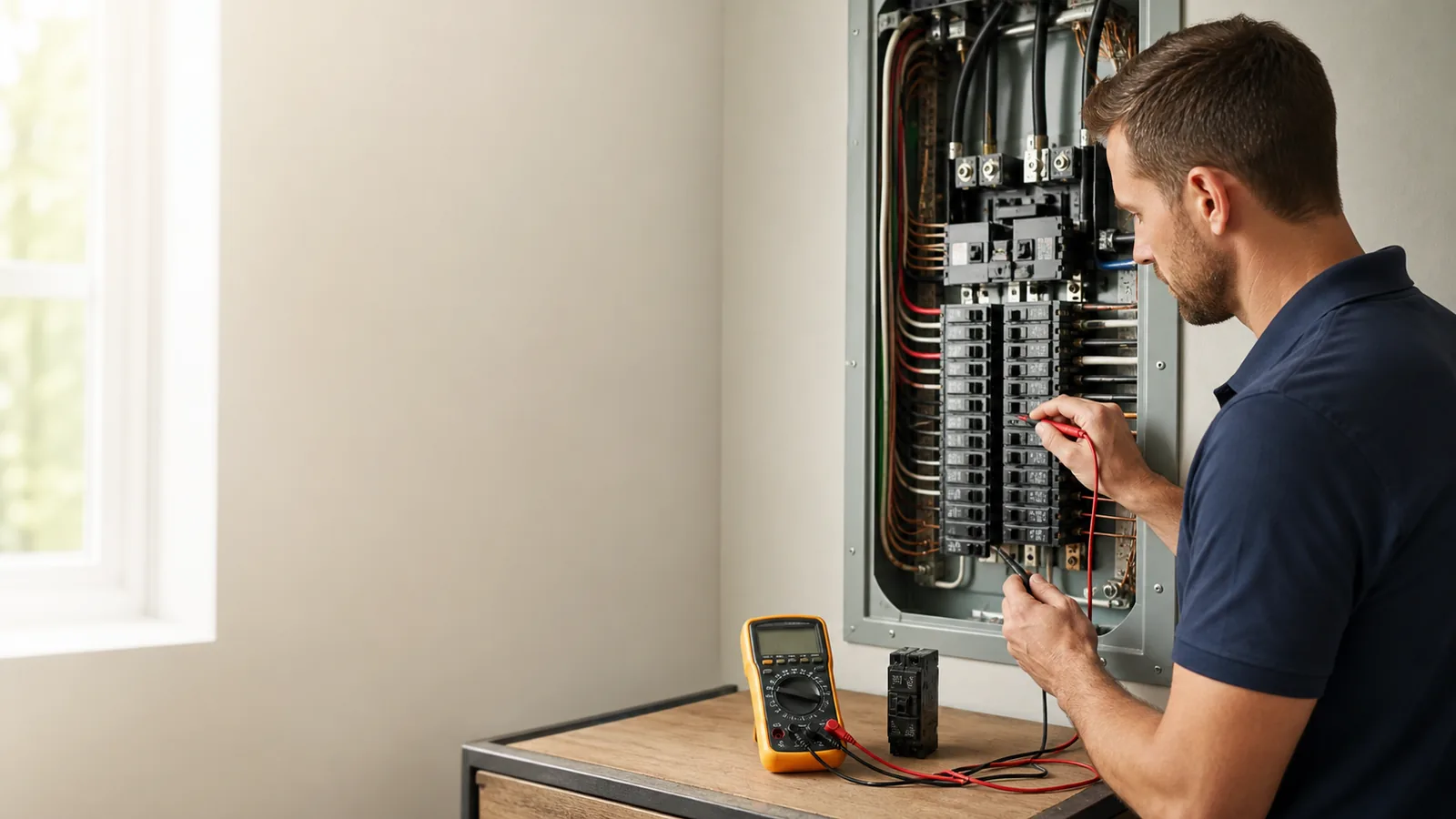
Breaker repair addresses circuit breakers that trip repeatedly, won't reset, or feel warm. Tripping is a safety response to overloads, short circuits, or ground faults, so the goal is to find the underlying cause, not just reset it. ElectricianQuotes helps you understand the symptom and connect with electrician help.
Updated July 26, 2026
Breaker Repair, explained
The key decision is: Is a breaker reacting to a circuit or equipment problem, or is the breaker or panel itself faulty? A useful repair scope identifies the fault before parts or larger upgrades are recommended.
Start with the affected equipment or area, the visible condition or desired result, and any recent change. The sections below explain the scope choices and quote details that matter for breaker repair.
When breaker repair fits
Start with what is not working, when it happens, and whether the condition affects one device, one circuit, or a larger part of the property.
Needs and situations this service covers
- My breaker keeps tripping
- The same breaker trips again and again
- A breaker won't reset, or trips immediately when reset
- A breaker or the panel feels warm or smells of burning
- Circuits overload when you run normal appliances
What can change the scope
- Overloaded circuits with too many devices
- A short circuit or ground fault on the line
- A failing or worn breaker
- Loose connections or an aging panel
- Testing should determine what the breaker is responding to before replacement or circuit work is proposed.
- The circuit, connected equipment, and breaker may need to be isolated and tested to find the persistent fault.
Is a breaker reacting to a circuit or equipment problem, or is the breaker or panel itself faulty?
The breaker is one part of the circuit. A useful repair scope identifies whether the cause is the breaker itself, the connected load, another device, the wiring, or the panel connection.
Repeated breaker trips
Testing should determine what the breaker is responding to before replacement or circuit work is proposed.
Breaker will not reset
The circuit, connected equipment, and breaker may need to be isolated and tested to find the persistent fault.
Damaged or loose breaker
Physical damage, poor seating, heat, or an unreliable handle can require evaluation of both the breaker and its panel connection.
Branch-circuit fault
A tripping breaker may lead to a damaged outlet, fixture, appliance connection, conductor, or splice elsewhere on the circuit.
Load and circuit mismatch
New or high-demand equipment may require a dedicated circuit or another planned capacity change rather than a larger breaker.
Panel condition concerns
Corrosion, damage, heat, limited space, or broader service-equipment problems may move the project beyond one breaker.
Useful observations and electrical safety boundaries
Share what you can observe without opening equipment or touching wiring. Energized testing, disassembly, and repair belong to a qualified electrician.
Useful details to note
- Note which breaker trips and what's running when it does
- Unplug or turn off devices on that circuit and try one reset
- If it trips again immediately, leave it off and call an electrician
- Stop and call right away if the breaker or panel is warm or smells hot
Leave these steps to an electrician
- Don't repeatedly force a breaker to reset, it's signaling a real problem.
- Stop immediately if the breaker or panel is warm, buzzing, or smells of burning.
- Do not open the panel or attempt to replace a breaker yourself.
- Breaker and panel work should be handled by qualified electricians.
Warning signs to mention when requesting help
There is active fire, visible smoke, or a serious electrical injury; When a breaker trips repeatedly or won't reset; When the breaker or panel is warm or smells of burning; When unplugging devices doesn't stop the tripping; When you suspect a short or ground fault.
How an electrician diagnoses breaker repair
The exact sequence depends on the symptom, equipment, access, and what testing or planning reveals at the property.
- 1
Identify the affected circuit
Confirm the breaker, the outlets or equipment it supplies, and the conditions present when the problem occurs.
- 2
Review the connected load
Determine what was operating and whether one appliance, device, or combination consistently produces the trip.
- 3
Inspect the panel connection
Check the breaker, panel position, visible condition, heat damage, corrosion, and connection integrity.
- 4
Test the branch circuit
Trace the circuit and connected equipment when the breaker appears to be responding to a fault away from the panel.
- 5
Define repair versus added capacity
Explain whether the solution is a breaker repair, circuit correction, equipment repair, dedicated circuit, or larger panel project.
- 6
Verify under normal load
Test the repaired circuit and confirm operation under the conditions that previously caused the breaker to trip.
- 7
Note the pattern
Record which breaker trips and under what load.
Get breaker repair help
Call or request availability to connect with electrician help.
What affects breaker repair cost
Breaker repair cost depends on whether the fix is a worn breaker, a wiring fault on the circuit, or a sign of a larger panel issue. Treat published ranges as planning references rather than a quote for a particular property.
Whether the breaker itself or the circuit is at fault
Time to trace and diagnose the problem
Replacement breaker type and panel compatibility
Condition and age of the panel
| Scope | Typical range | What it usually involves |
|---|---|---|
| Breaker replacement | $200-$525 | Replace a faulty or worn breaker |
| Circuit fault diagnosis + fix | $250-$875 | Find and repair what trips the breaker |
| Panel-related repair | $500-$2,100 | Issues involving the panel itself |
Cost ranges are estimates developed from standardized project scopes and reviewed pricing inputs. Government labor and regional cost data are used where applicable. See our Pricing Methodology for the exact sources, calculations, and review date. Actual prices vary by property, scope, materials or equipment, location, and provider.
How to compare the written scope and quote
Compare what each proposal includes, what assumptions it makes, and how findings that change the scope will be handled, not only the total price.
- What testing is included before the breaker is replaced?
- Was the problem traced to the breaker, connected load, circuit, equipment, or panel?
- Which breaker, devices, wiring, or equipment are included in the repair?
- Is a dedicated circuit or other capacity work part of the scope?
- Are panel damage, corrosion, or heat concerns included or excluded?
- Would permits or inspections apply to the proposed work?
- What conditions could require a revised scope or change order?
- What workmanship and parts warranty applies?
Common issues related to breaker repair
Choose the closest visible symptom for a focused explanation of urgency, useful observations, and the service that may fit.


Breaker Repair: common questions
Why does my breaker keep tripping?
Usually an overload (too many devices on one circuit), a short circuit, or a ground fault. A worn breaker or loose connection can also cause it. If reducing the load doesn't help, an electrician can pinpoint the cause.
Is it safe to keep resetting a tripped breaker?
Resetting once after reducing the load is reasonable. But repeatedly forcing a breaker that keeps tripping is not safe, it's protecting against a real fault. Leave it off and get it checked, especially if there's any heat or odor.
Can a breaker go bad?
Yes. Breakers can wear out or fail over time, tripping nuisance-style or not protecting properly. An electrician can test and replace a faulty breaker.
Could frequent tripping mean I need a new panel?
Sometimes. If the panel is full, undersized, or outdated and overloads are chronic, an upgrade may be the better fix than repeated repairs. An electrician can advise.
Sources and editorial review
Service guidance is checked against the government, safety, and consumer sources below. Equipment instructions, site conditions, and the requirements that apply to a specific address can still change the right scope.


Helpful resources
Plan breaker repair with clearer information
Use these related guides to understand the scope, prepare useful questions, and compare electrical proposals.
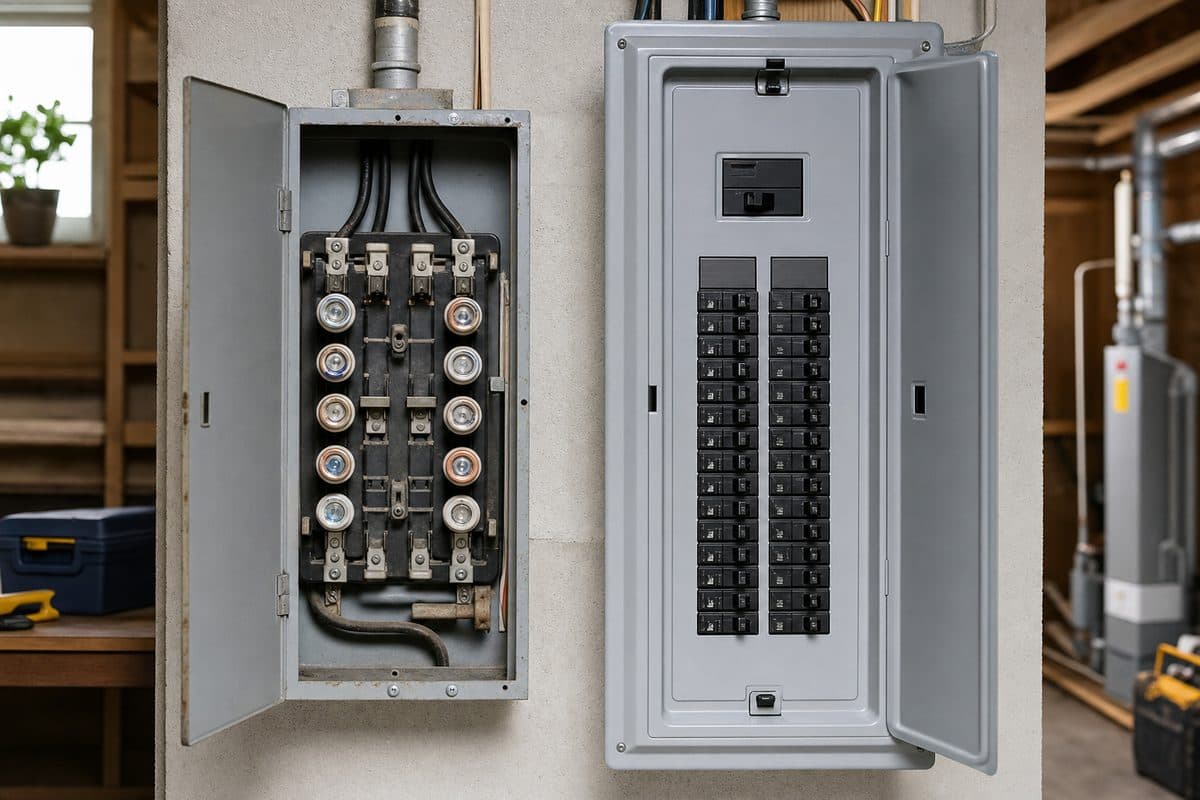
Fuse Box vs Breaker Box: What's the Difference?
Fuse boxes and breaker panels both protect circuits, but they work differently and suit different electrical demands. Here is how to compare safety, capacity, and when to ask for a professional evaluation.
Read guide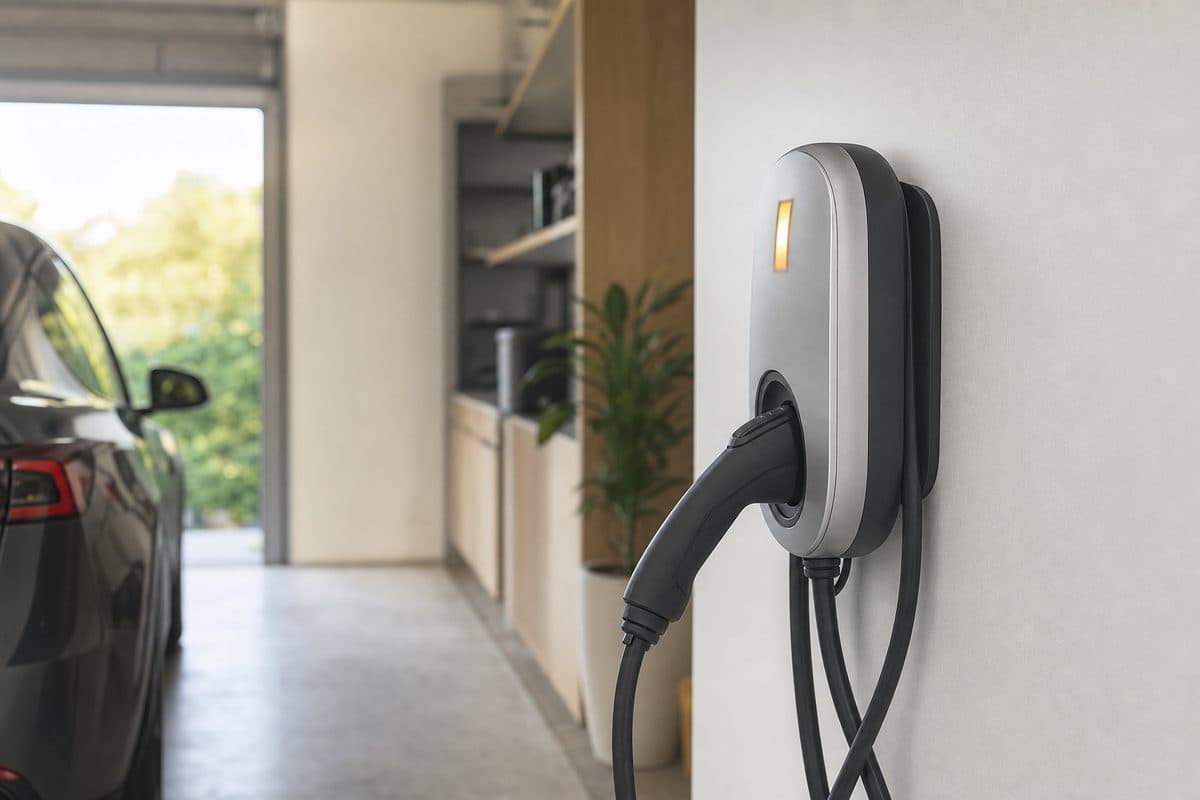
Why a Home EV Charger Stops Working
If your home EV charger is offline, slow, faulting, or tripping a breaker, the cause may be the vehicle, settings, receptacle, charger, breaker, or panel capacity. This guide covers safe observations, manufacturer-approved resets, and what to document before requesting electrician help.
Read guide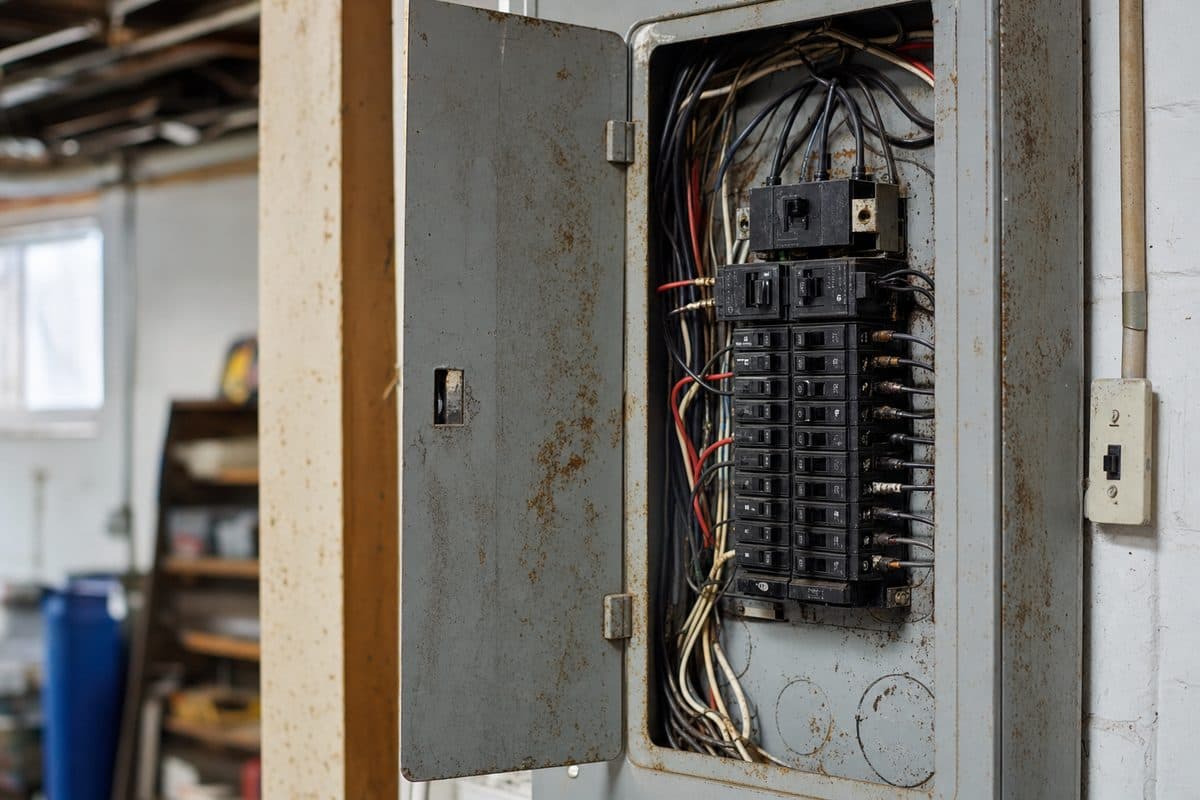
Signs Your Electrical Panel May Be Unsafe
Some panel problems are cosmetic; others are genuine hazards. Here are the warning signs worth acting on, and the ones that mean stop now.
Read guide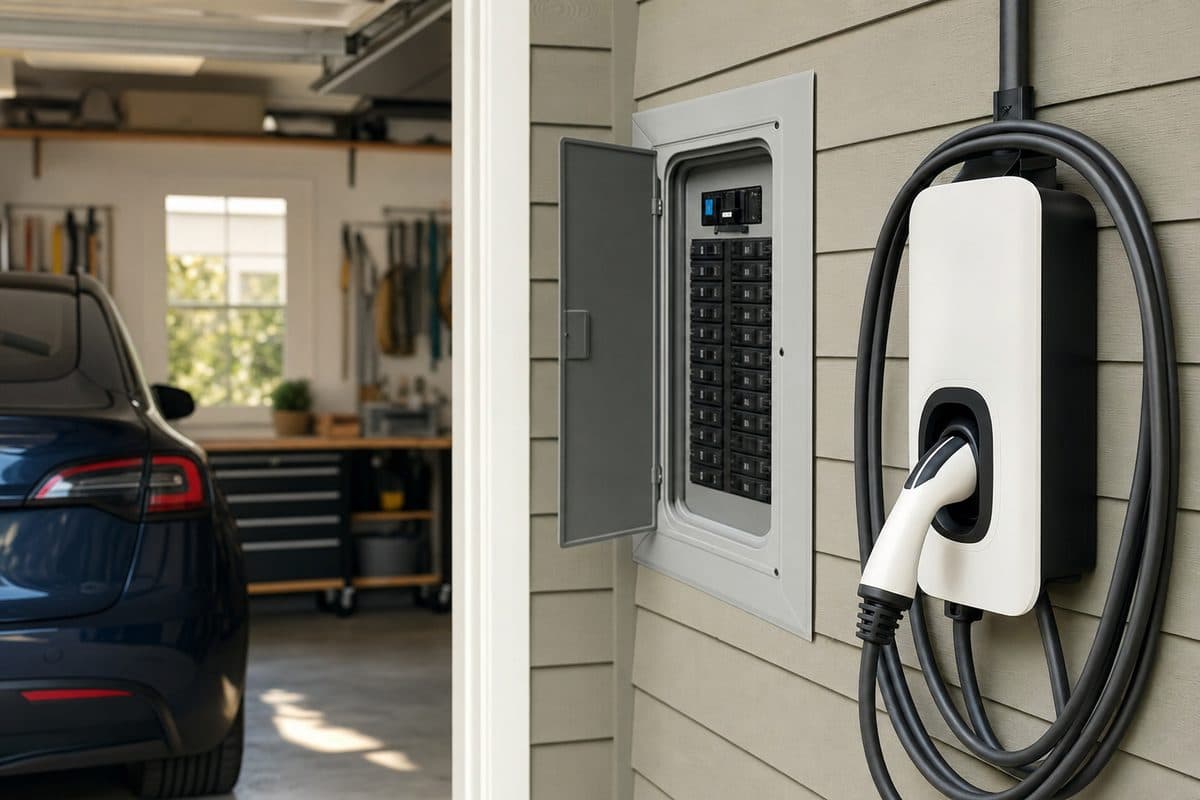
Do You Need a Panel Upgrade for an EV Charger?
A Level 2 charger is a big, steady load. Sometimes the panel handles it as-is; sometimes it needs more capacity. Here is how to tell.
Read guide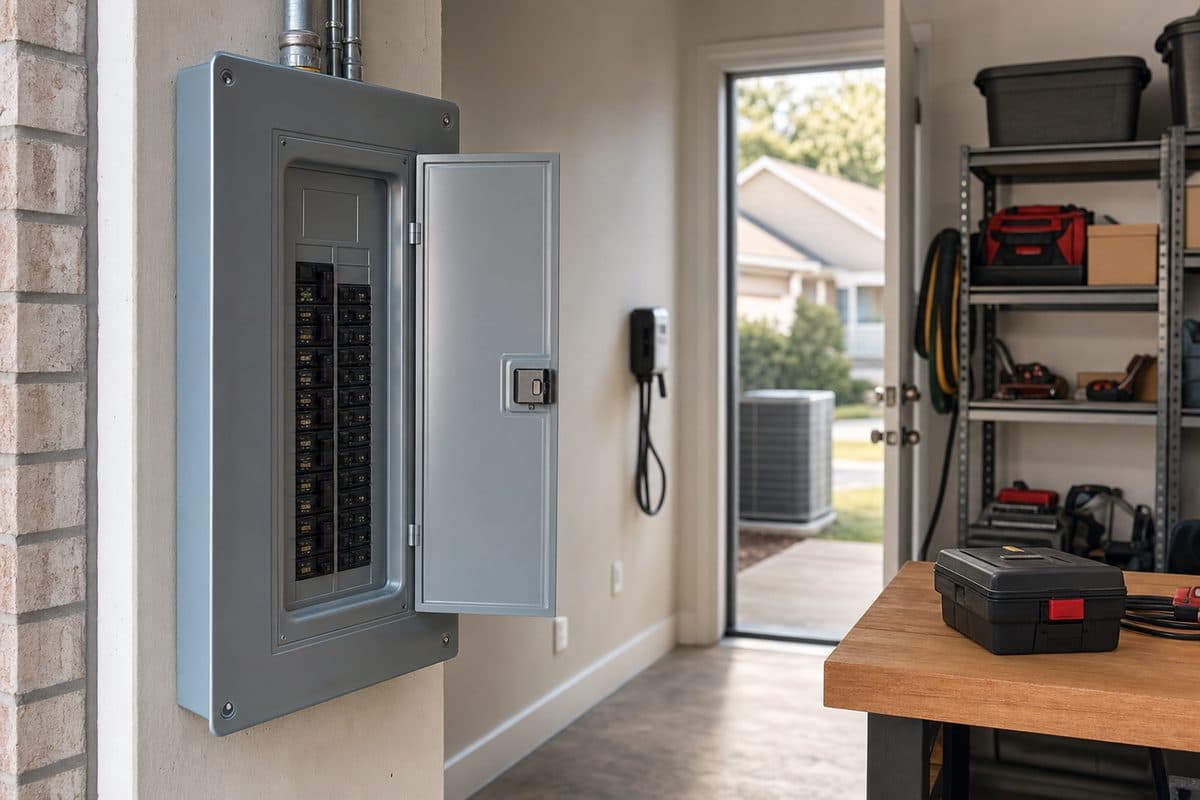
Electrical Panel Upgrade Cost in Texas
Panel upgrade cost in Texas swings with scope. Here is what actually moves the price, and how to compare quotes without chasing the lowest number.
Read guide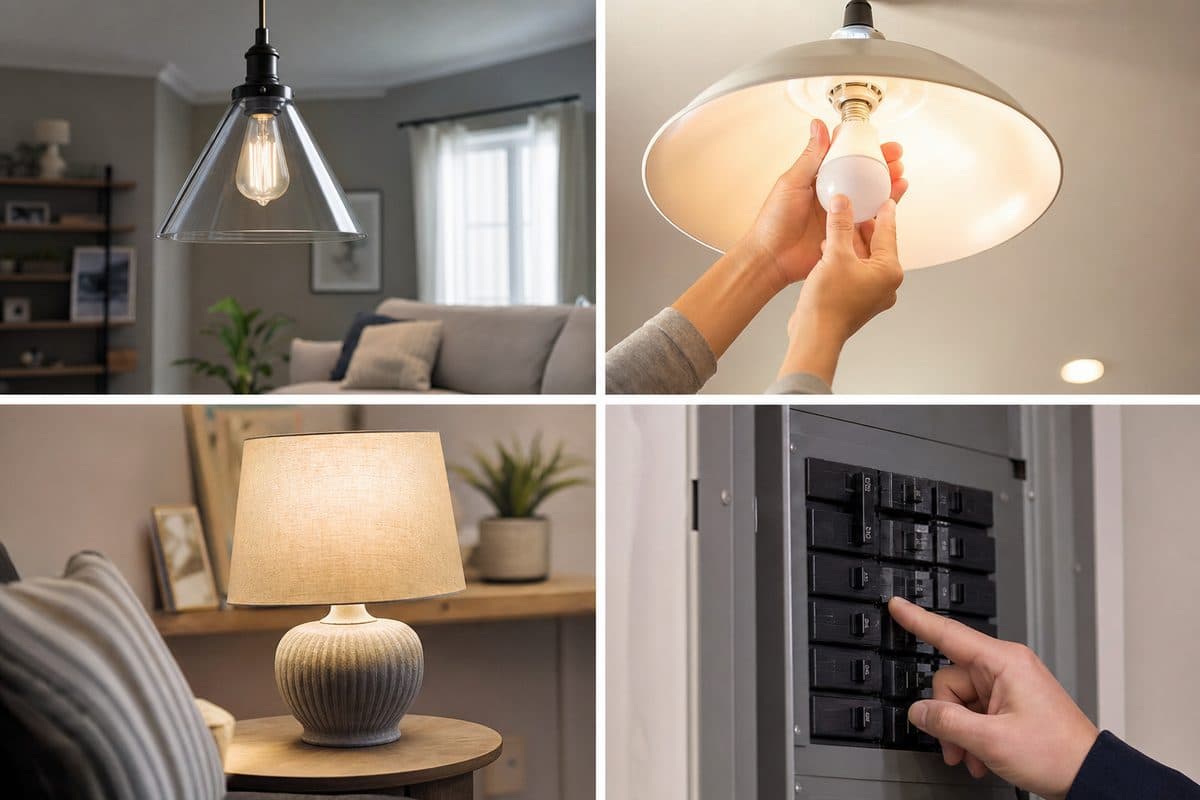
Why Are My Lights Flickering?
Flickering lights range from a harmless loose bulb to a sign of a serious wiring or panel problem. Here is how to tell the difference.
Read guideNationwide coverage
Breaker Repair by state and city
Select a state or popular city to view breaker repair guidance and check electrician availability in that area.
Get breaker repair help
Call or request availability to connect with electrician help.
Call (833) 962-0486 to talk through the electrical problem and check electrician availability.