Updated March 4, 2026Sources reviewed July 31, 20267 min read
Installing an EV charger at home is one of the most popular electrical upgrades homeowners make, and for good reason, charging in your own garage is convenient and predictable. But a home charger is also a significant electrical load, and a little planning up front helps you avoid surprises. Here is what to understand before you book the work.
Charger levels explained
EV chargers generally come in two levels for home use, and the difference comes down to speed and the electrical service they require. Here is how the levels compare:
- Level 1 uses a standard household outlet and charges slowly, often fine for low-mileage drivers but slow for daily commuters.
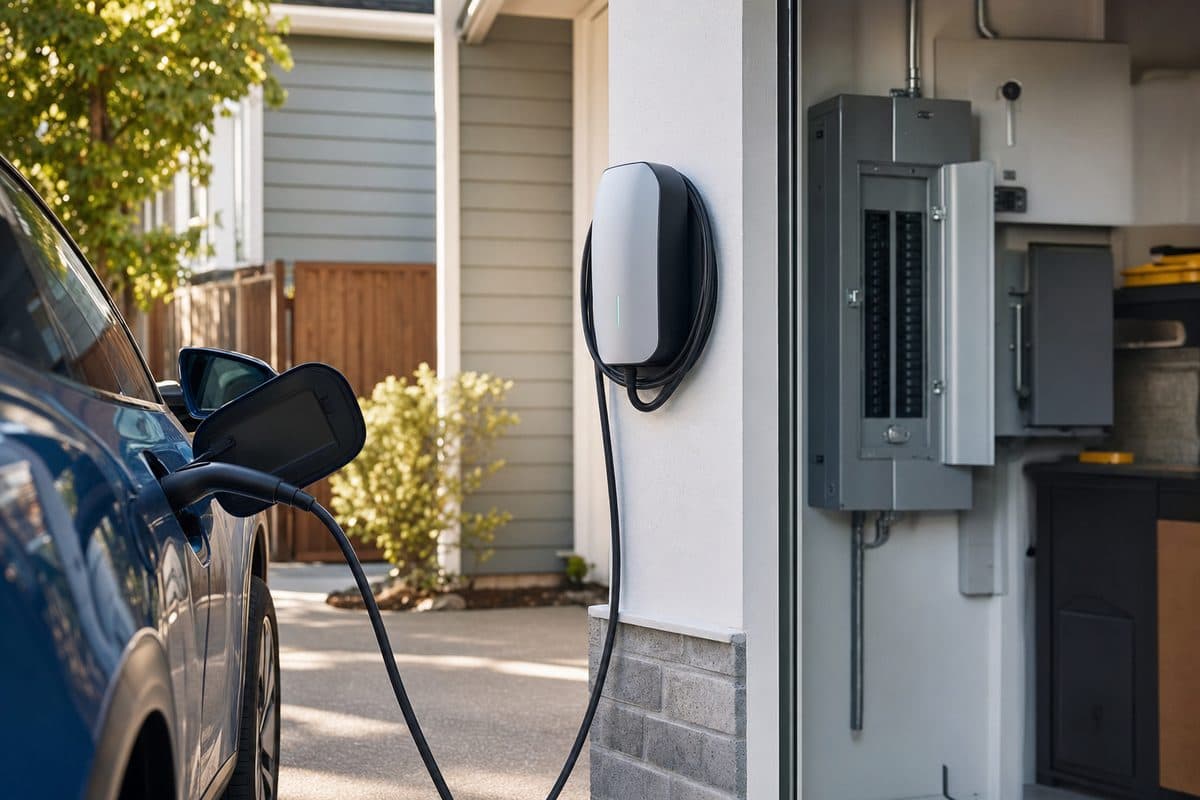
- Level 2 uses a 240-volt circuit, similar to an electric dryer or range, and charges far faster. Most homeowners installing a dedicated charger choose Level 2.
- Level 3 (DC fast charging) is commercial-grade and is not installed in homes.
Does your panel have the capacity?
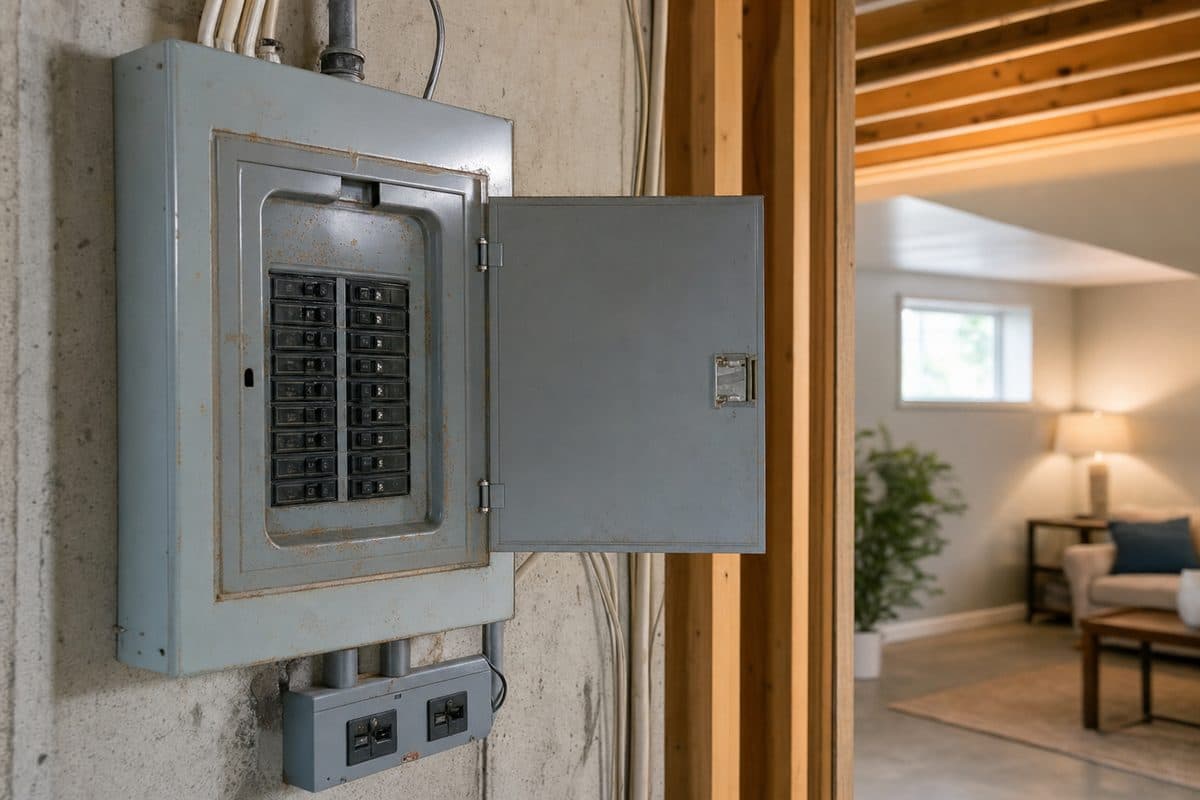
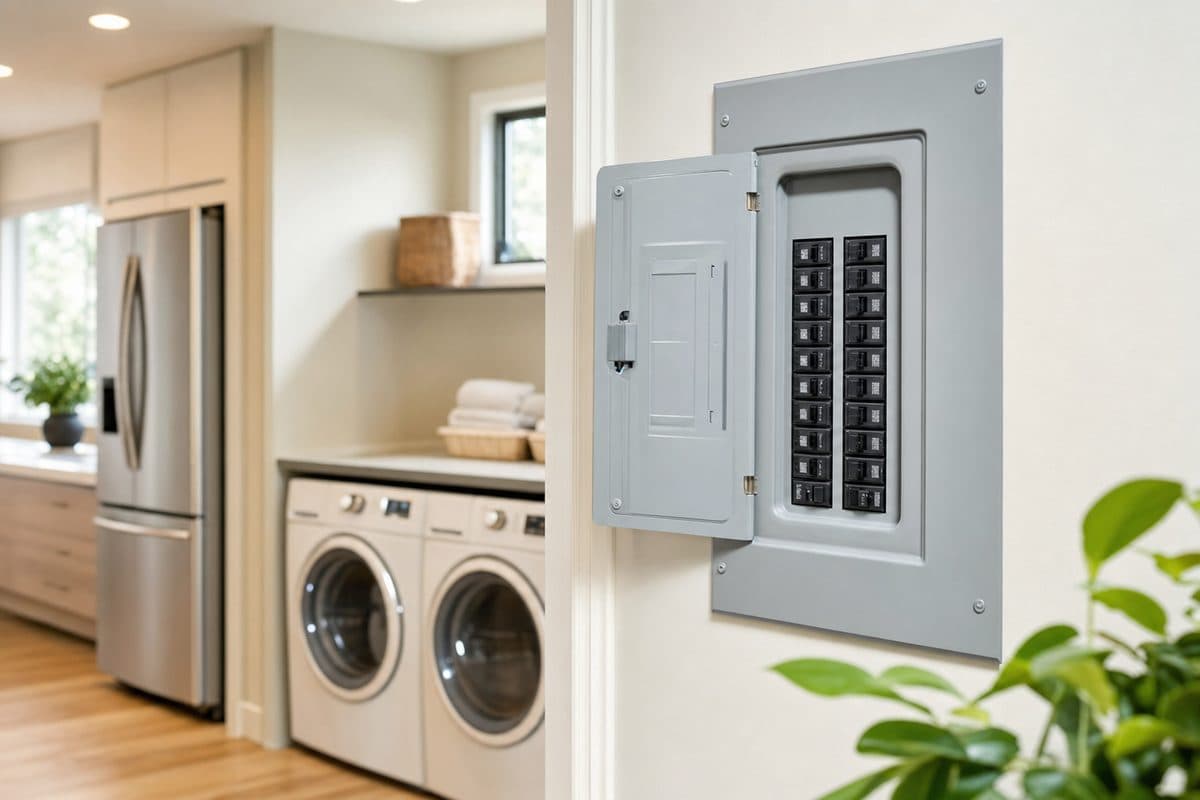
A Level 2 charger adds a substantial continuous load. Before installation, an electrician typically performs a load calculation to confirm your existing service can support the charger. Adding a high-draw circuit to a panel that is already near capacity is not safe, so if your panel is full or undersized, a panel upgrade may be needed first.
Permits, codes, and placement
EV charger installation almost always requires a permit and an inspection, and the rules can vary by city, county, and state. Placement also matters, the distance from the panel, indoor versus outdoor mounting, and the charger's amperage all affect the work. A qualified electrician handles the permitting and ensures the installation meets local requirements.
Steps to a smooth installation
- 1
Confirm your charger and vehicle
Know your EV's charging capability and the charger model you want so the circuit can be sized correctly.
- 2
Get a load assessment
An electrician evaluates your panel capacity and where the charger will be mounted.
- 3
Plan for panel work if needed
If your service is undersized, factor a possible panel upgrade into your timeline and budget.
- 4
Permit, install, inspect
A qualified electrician pulls the permit, installs the dedicated circuit and charger, and arranges any required inspection.
ElectricianQuotes is a nationwide service that helps you understand what your EV charger project involves and connect with electrician help in your area. Availability may vary by location and provider. We do not set or guarantee pricing, a local electrician will assess your home and provide a quote.
Need help with EV charger installation?
Call ElectricianQuotes or check availability online for help with your electrical project.
Frequently asked questions
Do I need a dedicated circuit for an EV charger?
Yes. A Level 2 home charger requires its own dedicated 240-volt circuit so it does not share capacity with other loads. A qualified electrician will install the dedicated circuit as part of the job.
Will I need to upgrade my electrical panel?
Sometimes. If your panel is full or your service is undersized for the added load, an upgrade may be required first. An electrician can perform a load calculation to confirm whether your current service can support the charger.
Do EV charger installations need a permit?
In most areas, yes. EV charger installation typically requires a permit and inspection, and the requirements can vary by city, county, and state. A qualified electrician handles the permitting as part of the installation.
Can I just plug a Level 2 charger into an existing outlet?
No. Level 2 chargers require a properly sized 240-volt circuit installed by a qualified electrician. Plugging a high-draw charger into an unsuitable outlet is unsafe and should never be attempted.
Sources and review
Technical and safety facts in this guide were checked against the listed sources on July 31, 2026. Cost and timing language is planning context, not a property-specific quote. Local code, permit, inspection, utility, and product requirements should be confirmed for the project address and equipment. Comparisons and next-step recommendations are editorial planning guidance; on-site findings determine the work.
- Charging Electric Vehicles at HomeU.S. Department of Energy, Alternative Fuels Data Center
- Electric Vehicle ConsumersU.S. Department of Energy, Alternative Fuels Data Center
- Home Wiring HazardsU.S. Consumer Product Safety Commission
- Home Electrical Safety ChecklistU.S. Consumer Product Safety Commission