Outlet Installation guide
Outlet Installation
Outlet installation is a location and circuit-planning project, not only a device swap. The intended use, existing circuit, wiring route, box location, protection, and finish work determine the installation scope.
Updated July 26, 2026
Outlet Installation, explained
The key decision is: Where is power needed, what will the outlet serve, and can the existing circuit support it? A useful installation scope connects the selected equipment and location to wiring, capacity, access, controls, testing, and finish responsibilities.
Start with the affected equipment or area, the visible condition or desired result, and any recent change. The sections below explain the scope choices and quote details that matter for outlet installation.
When to plan outlet installation
Define the equipment, location, intended use, existing conditions, and finish expectations before comparing installation proposals.
Needs and situations this service covers
- I need a new outlet
- Adding more outlets to accommodate increased electrical demand.
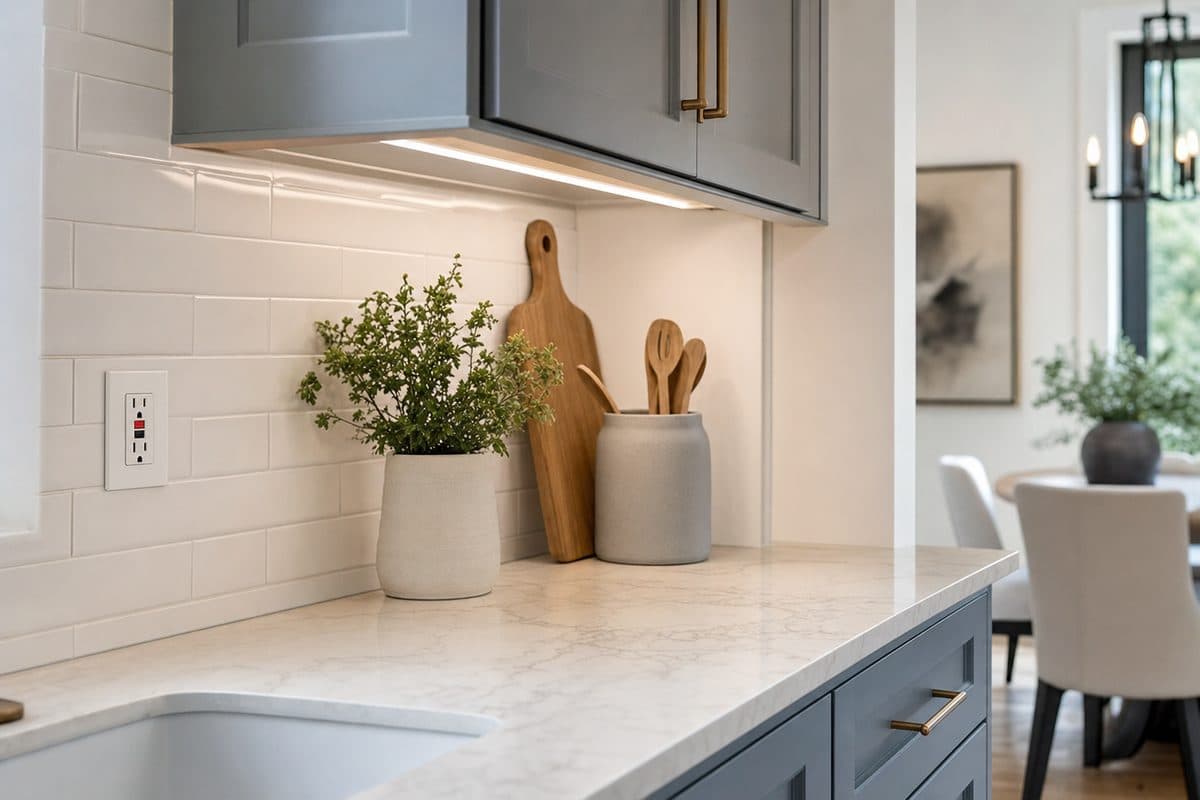
- Upgrading to GFCI outlets for safety in wet areas.
- Installing outdoor outlets for convenience and safety.
- Adding USB outlets for modern device charging needs.
What can change the scope
- Renovating a room or area of the home.
- Upgrading old outlets for improved safety and functionality.
- Increasing the number of available outlets for convenience.
- Installing outlets in new locations like garages or patios.
- New wall outlets may be supplied from a suitable existing circuit or included in a new circuit plan after load and routing are reviewed.
- Locations with added protection needs require the circuit, device placement, downstream protection, boxes, and reset access to be planned.
Where is power needed, what will the outlet serve, and can the existing circuit support it?
The quote should identify the outlet type and location, circuit source, wiring route, box and cover, protection, access, testing, and finish responsibilities.
General-use receptacles
New wall outlets may be supplied from a suitable existing circuit or included in a new circuit plan after load and routing are reviewed.
GFCI-protected locations
Locations with added protection needs require the circuit, device placement, downstream protection, boxes, and reset access to be planned.
Outdoor and weather-exposed outlets
Exterior work can include weather-rated boxes, covers, mounting, conduit or cable routing, protection, sealing, and landscape restoration.
Appliance and specialty outlets
Equipment requirements may lead to a dedicated circuit, different voltage, a disconnect, or a hardwired connection instead of a standard outlet.
Replacement of worn or damaged outlets
Loose, cracked, intermittent, discolored, or damaged receptacles should be evaluated with the connected wiring and box.
Access and finish coordination
Finished walls, floors, tile, masonry, cabinets, insulation, and exterior surfaces may require an agreed access and restoration plan.
Useful observations and electrical safety boundaries
Share what you can observe without opening equipment or touching wiring. Energized testing, disassembly, and repair belong to a qualified electrician.
Useful details to note
- Identify locations where new outlets are needed.
- Check if existing outlets are overloaded.
- Ensure furniture is not blocking planned outlet locations.
- Note any specific outlet types needed, like GFCI or USB.
Leave these steps to an electrician
- Never attempt to install outlets yourself unless you are a qualified electrician.
- Ensure all work complies with local electrical codes and standards.
- GFCI outlets are essential for areas exposed to moisture.
- Outdoor outlets should be weather-resistant and properly sealed.
Warning signs to mention when requesting help
There is active fire, visible smoke, or a serious electrical injury; When planning a home renovation that requires new outlets.; If you need outlets in a new location, such as outdoors.; To ensure compliance with local electrical codes and permits.; If upgrading to outlets with additional features like USB ports..
How an electrician plans outlet installation
The exact sequence depends on the selected equipment, existing electrical system, route, access, and findings at the property.
- 1
Confirm use and placement
Identify what will plug in, the preferred location, mounting constraints, furniture or equipment clearance, and exposure conditions.
- 2
Inspect the available circuit source
Review nearby circuits, connected loads, panel conditions, grounding, protection, and whether a new circuit is more appropriate.
- 3
Plan the box and wiring route
Choose a supported box location and wiring path that accounts for framing, insulation, cabinets, masonry, exterior surfaces, and access openings.
- 4
Define the device and protection
Specify the receptacle, cover, GFCI or other protection, circuit details, mounting, permits, and inspection requirements.
- 5
Install and restore
Complete the wiring, box, device, cover, labeling, sealing, and agreed patching or cleanup work.
- 6
Test the finished outlet
Verify operation, grounding and protection, circuit labeling, and suitability for the stated use before the project is closed.
- 7
Assess Your Needs
Determine the location and type of outlets required for your home.
Get outlet installation help
Call or request availability to connect with electrician help.
What affects outlet installation cost
Outlet installation cost depends on whether the electrician is replacing an existing device or extending a circuit to a new location. GFCI protection, outdoor covers, wall access, wiring condition, and panel capacity can add labor and materials. Treat published ranges as planning references rather than a quote for a particular property.
Type of outlet being installed (standard, GFCI, USB, etc.).
Complexity of the installation location (indoor vs. outdoor).
Need for additional wiring or circuit upgrades.
Local permit and code compliance requirements.
| Scope | Typical range | What it usually involves |
|---|---|---|
| Replace an existing outlet | $125-$350 | New device at an existing box with usable wiring |
| Add a standard or GFCI outlet | $250-$725 | Accessible new location with a straightforward circuit route |
| Outdoor, long-run, or dedicated circuit | $575-$2,000 | Weather protection, difficult access, or added circuit work |
Cost ranges are estimates developed from standardized project scopes and reviewed pricing inputs. Government labor and regional cost data are used where applicable. See our Pricing Methodology for the exact sources, calculations, and review date. Actual prices vary by property, scope, materials or equipment, location, and provider.
How to compare the written scope and quote
Compare what each proposal includes, what assumptions it makes, and how findings that change the scope will be handled, not only the total price.
- What will the outlet serve, and what device and circuit requirements apply?
- Will the outlet extend an existing circuit or use a new dedicated circuit?
- Which receptacle, box, cover, protection, wiring, and fittings are included?
- What wall, floor, cabinet, masonry, exterior, or underground access is expected?
- Who handles openings, patching, painting, flooring, cabinetry, sealing, and cleanup?
- Are panel work, breaker changes, labeling, permits, and inspection included?
- How will the outlet and protective devices be tested?
- What conditions could change the route, scope, or price?
Common issues related to outlet installation
Choose the closest visible symptom for a focused explanation of urgency, useful observations, and the service that may fit.


Outlet Installation: common questions
Do I need a permit to install new outlets?
Permit requirements can vary by city, county, and state. A professional electrician can help ensure compliance.
What is a GFCI outlet and where is it needed?
A GFCI outlet is designed to protect against electrical shock in wet areas like kitchens and bathrooms.
Can I install USB outlets in existing locations?
Yes, a qualified electrician can retrofit existing outlets with USB capabilities.
How do I know if I need more outlets?
If you're using multiple power strips or frequently unplugging devices, you may need additional outlets.
Sources and editorial review
Service guidance is checked against the government, safety, and consumer sources below. Equipment instructions, site conditions, and the requirements that apply to a specific address can still change the right scope.


Helpful resources
Plan outlet installation with clearer information
Use these related guides to understand the scope, prepare useful questions, and compare electrical proposals.
Nationwide coverage
Outlet Installation by state and city
Select a state or popular city to view outlet installation guidance and check electrician availability in that area.
Get outlet installation help
Call or request availability to connect with electrician help.
Call (833) 962-0486 to talk through the electrical problem and check electrician availability.