Updated July 25, 2026Sources reviewed July 31, 20268 min read
Planning outlets and circuits starts with how you use each room, not just where an empty wall is. Before requesting quotes, think about the appliances you use, whether the area is near water or weather exposure, how often devices run at the same time, and whether your electrical panel has room for the work.
Start with room use and daily demand
A useful outlet plan matches the space to real habits. Kitchens, bathrooms, laundry areas, garages, workshops, home offices, and outdoor spaces often need more thought than a living room because the equipment used there can draw more power or operate in damp conditions.
- List the devices you expect to use in the space now, plus any planned upgrades.
- Note which items run continuously, heat up, or have motors or compressors.
- Identify spots where extension cords or power strips are currently filling a need.
- Mark any sinks, counters, patios, unfinished areas, or other places where moisture may be a factor.
- Think about furniture placement so new receptacles are actually convenient to use.
Know the difference between outlet types and circuit types
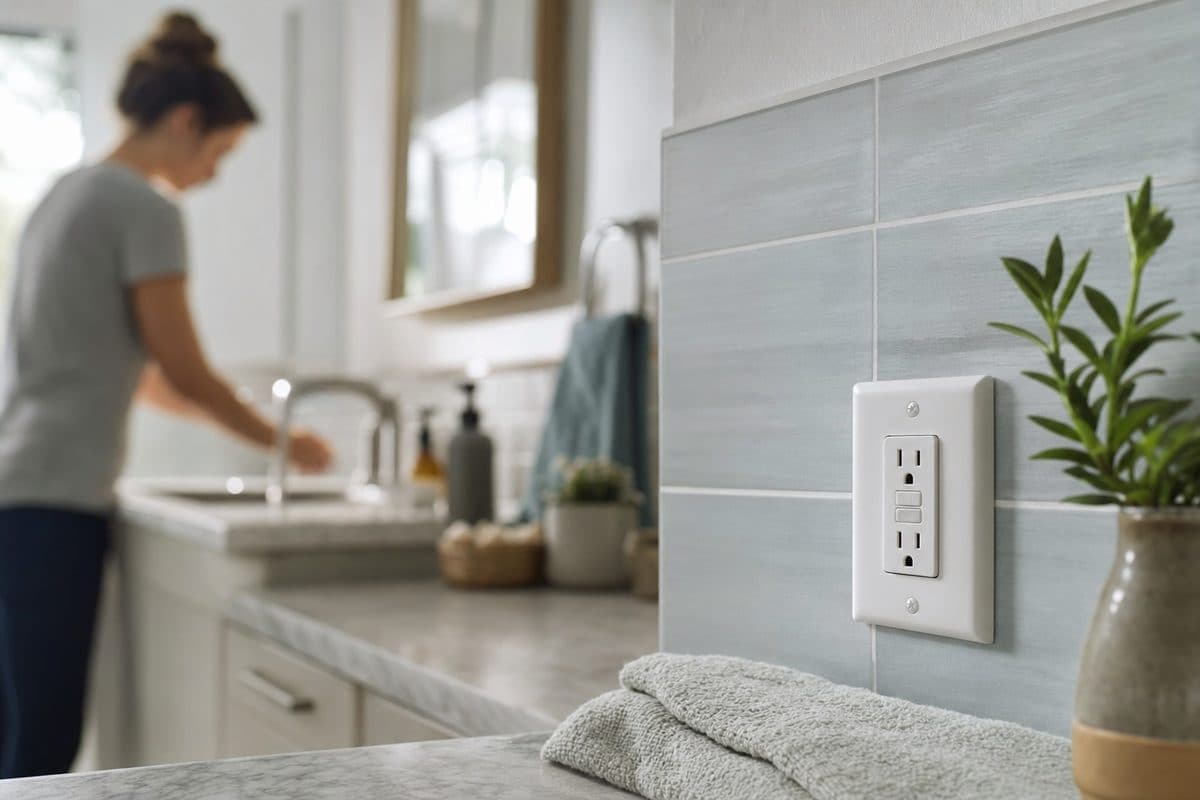
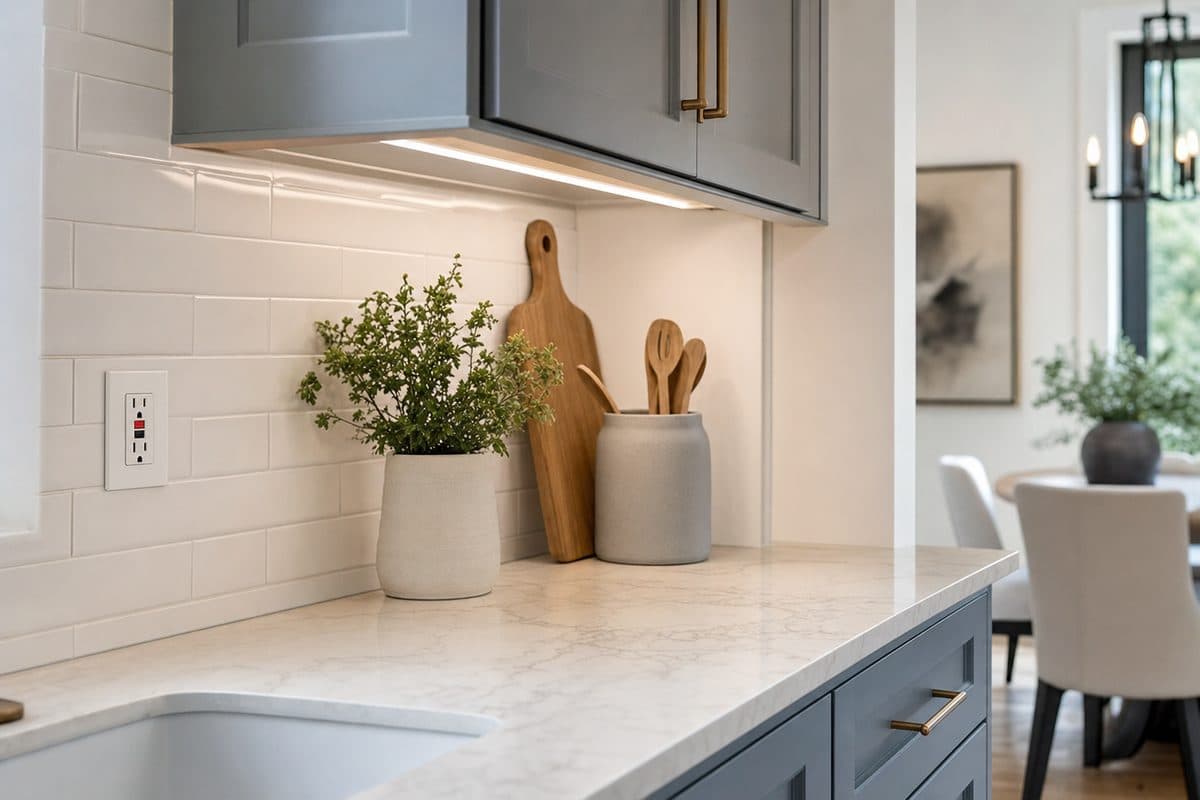
A standard outlet is the everyday receptacle used for many household plug-in items. GFCI protection is designed to help protect against severe shock and is commonly used where electrical products may come into contact with water. A dedicated circuit serves one specific load or appliance so it is not sharing power with unrelated devices. A 240-volt receptacle is used for certain larger equipment that needs a different power supply than typical plug-in devices.
When a dedicated circuit may make sense
Dedicated circuits are often considered when one appliance has a significant load, runs for long periods, or should not share a circuit with everyday plug-in items. The goal is not only convenience, but also reducing overload concerns and improving how reliably equipment operates.
- Large kitchen appliances and specialty cooking equipment.
- Laundry equipment or utility-room appliances.
- Garage, workshop, or hobby equipment with higher demand.
- Heating, cooling, or comfort equipment that plugs in.
- Home office or media setups where uptime and consistent power matter.
Indoor, outdoor, and wet-area planning
Location changes the discussion. Areas exposed to moisture, weather, temperature swings, or more physical wear may call for different protection methods or equipment choices. CPSC guidance also highlights the importance of proper receptacle condition and qualified evaluation of wiring hazards, especially in older homes or spaces with visible wear.
- For bathrooms, kitchens, laundry areas, and similar spaces, mention nearby water sources when requesting quotes.
- For patios, garages, and exterior walls, note direct weather exposure and how the outlet will be used.
- If an existing receptacle feels loose, looks scorched, or has cracked components, stop using it and request evaluation.
- If a device repeatedly trips protection or seems to overload a space, write down what was being used at the time.
Panel capacity, permits, and older-home considerations
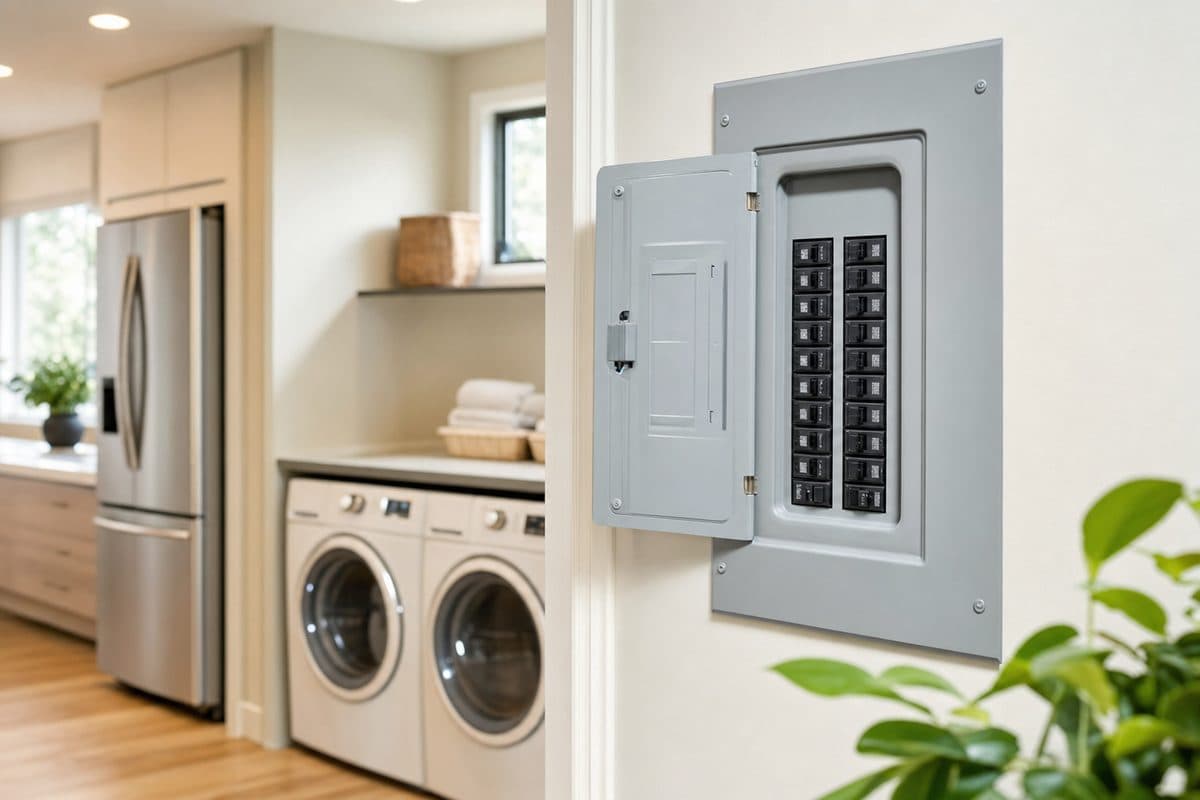
Adding receptacles or new circuits is not only about the room. A qualified electrician will also consider whether your panel has space for additional circuits, whether the service appears suitable for the planned load, and whether the age or condition of existing wiring raises concerns. Permit and inspection requirements can vary by city, county, and state, so it is smart to ask early how those items will be handled.
Plan for future flexibility, not only today's need
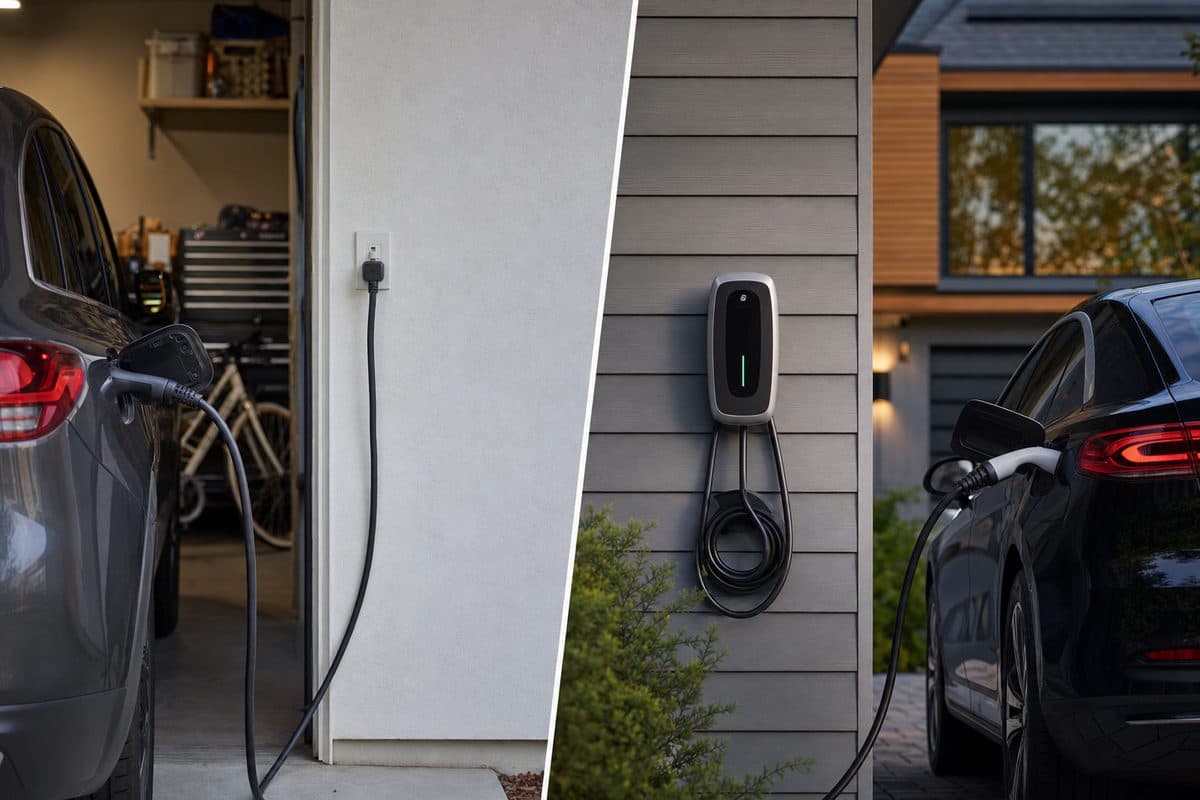
It is often more practical to think ahead while walls are being opened or while an electrician is already evaluating the area. Future flexibility might include a better location for a desk, a planned freezer, workshop equipment, holiday lighting, a bidet seat, or a possible EV-related need in a garage, even if that is not part of the current job.
What to gather before you request quotes
Clear information helps you get more useful quotes and fewer surprises. The more specific you are about room use, equipment, and site conditions, the easier it is for a provider in the ElectricianQuotes network to explain options for outlet installation, GFCI outlet installation, dedicated circuit installation, or 240-volt outlet installation.
- Photos of the room, the intended outlet locations, and the electrical panel area.
- A list of appliances or equipment, including model information if available.
- Notes about moisture exposure, outdoor use, garages, unfinished spaces, or older wiring concerns.
- Whether the project is part of a remodel, appliance upgrade, or home office change.
- Any recurring issues such as tripping, warm plugs, buzzing, or damaged receptacles.
What should appear in a useful quote
A strong quote should describe the proposed scope in plain language, explain whether the work involves standard receptacles, GFCI protection, a dedicated circuit, or a 240-volt receptacle, and note assumptions about panel capacity or permit needs. If more than one approach is possible, ask for the tradeoffs in convenience, future capacity, and likely disruption so you can choose the option that fits the space.
Once you know how the room will be used and what equipment must be supported, the next decision is whether you need simple added convenience, shock protection near water, a separate circuit for a specific load, or a different voltage for larger equipment. That comparison gives you a clear basis for discussing the project with a qualified electrician matched through ElectricianQuotes, with availability varying by location and provider.
Need help with outlet installation?
Call ElectricianQuotes or check availability online for help with your electrical project.
Frequently asked questions
What is the difference between a standard outlet and GFCI protection?
A standard outlet is a typical receptacle for many plug-in items. GFCI protection is intended to help protect against severe shock and is commonly used where electricity may be close to water. A qualified electrician can advise on appropriate protection for your location and project, since requirements can vary by jurisdiction.
How do I know if I need a dedicated circuit?
A dedicated circuit may be worth discussing when one appliance or piece of equipment has a significant load, runs for long periods, or should not share power with other devices. Examples can include certain kitchen, laundry, garage, workshop, or comfort-related equipment. A qualified electrician can evaluate your planned use and panel capacity.
When would a 240-volt outlet be needed?
A 240-volt receptacle is used for certain larger appliances or equipment that require a different power supply than typical household plug-in devices. If you are planning new equipment, gather the model details or electrical nameplate information so a qualified electrician can assess the appropriate circuit and receptacle for the application.
What should I ask for when getting quotes for new outlets or circuits?
Ask for a clear description of the work scope, the type of receptacle or circuit being proposed, whether GFCI protection is included, whether panel capacity or wiring condition could affect the project, and whether permits or inspections may be needed. ElectricianQuotes can help connect you with providers, but availability and final pricing can vary by location and provider.
Sources and review
Technical and safety facts in this guide were checked against the listed sources on July 31, 2026. Cost and timing language is planning context, not a property-specific quote. Local code, permit, inspection, utility, and product requirements should be confirmed for the project address and equipment. Comparisons and next-step recommendations are editorial planning guidance; on-site findings determine the work.