Updated July 25, 2026Sources reviewed July 31, 20268 min read
Choosing between Level 1 and Level 2 EV charging usually comes down to how much you drive, how long the car sits at home, and whether your electrical system can support the equipment you want. Level 1 uses a 120 volt source, while Level 2 uses higher powered AC equipment commonly installed at homes, and the right fit depends on your vehicle, charging equipment, and available power.
What Level 1 and Level 2 mean
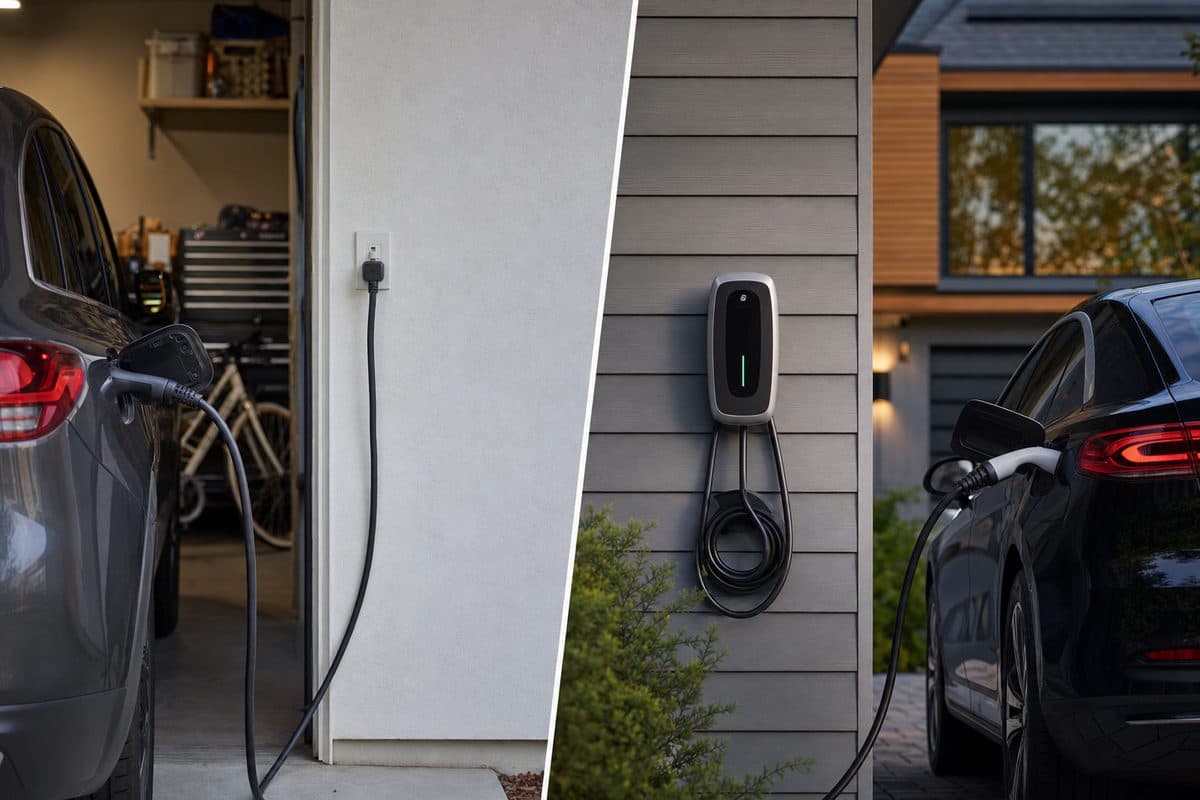
Level 1 charging uses a standard 120 volt source. It is often the simplest starting point because it does not involve adding higher powered charging equipment. Level 2 charging uses 240 volt equipment commonly installed at homes and is intended to deliver more charging power, but it typically requires a dedicated circuit and a professional review of the home's electrical capacity.
- Level 1: 120 volt source, generally slower charging
- Level 2: 240 volt home charging equipment, generally faster charging
- Charging time varies by vehicle, equipment, and available power
How charging speed affects daily use
The most practical difference is time. If your vehicle is parked for long periods and your daily driving needs are modest, Level 1 may be enough. If you want quicker overnight recovery or more flexibility for longer commutes, Level 2 is often the option people explore. There is no universal answer because charging performance depends on the vehicle, the charging equipment, and how much power is available to the charger.
- Level 1 may fit households with lighter daily driving and longer parking windows
- Level 2 may fit households that want faster home charging between trips
- Households with more than one driver or tighter schedules often compare Level 2 sooner
When Level 1 may be enough
Level 1 can make sense when convenience matters more than speed and the household does not need rapid charging at home. It can also be a reasonable temporary option while you learn your real charging pattern after buying an EV. The key question is whether the vehicle can recover enough charge during the time it is normally parked.
What Level 2 usually requires
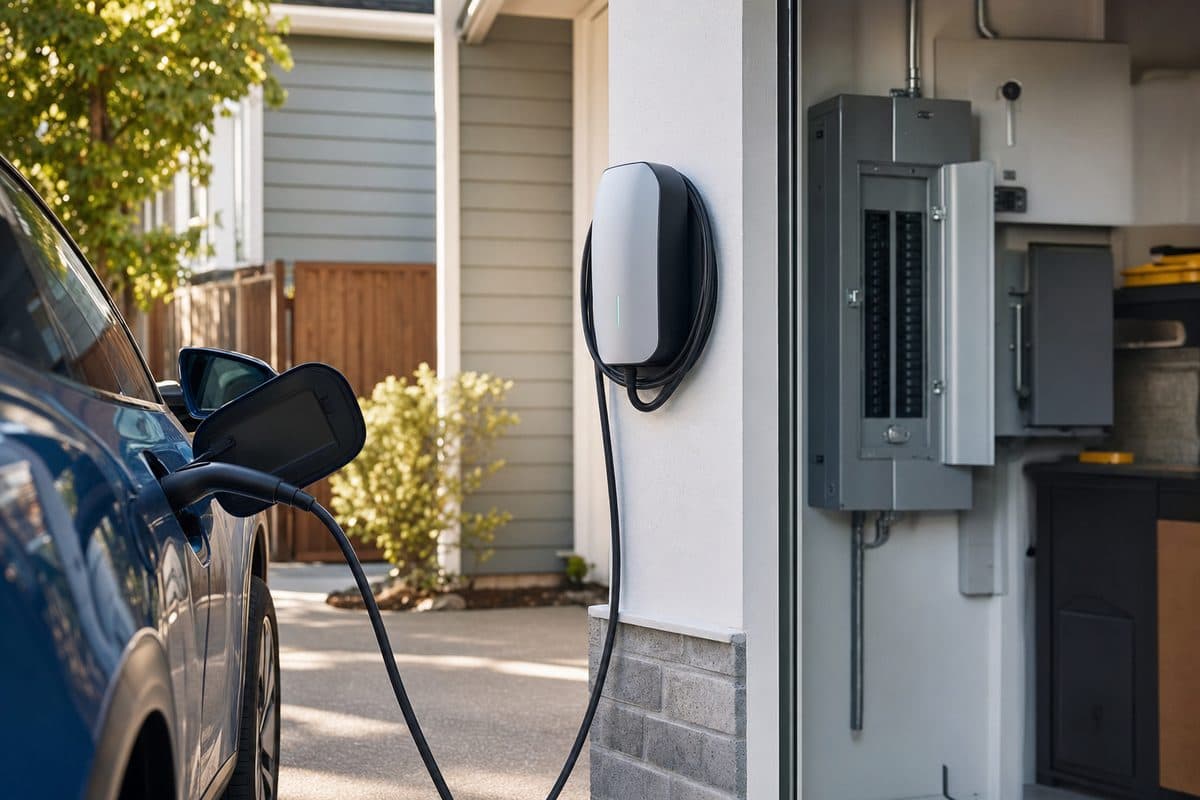
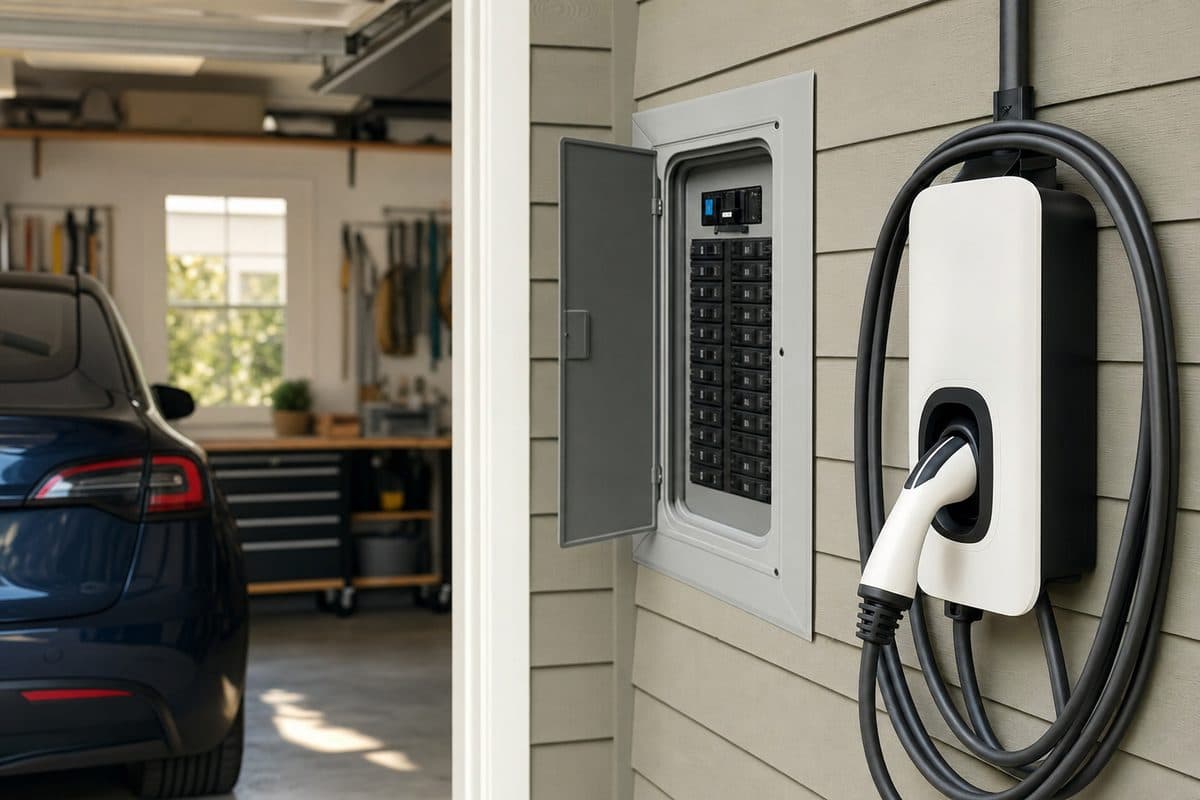
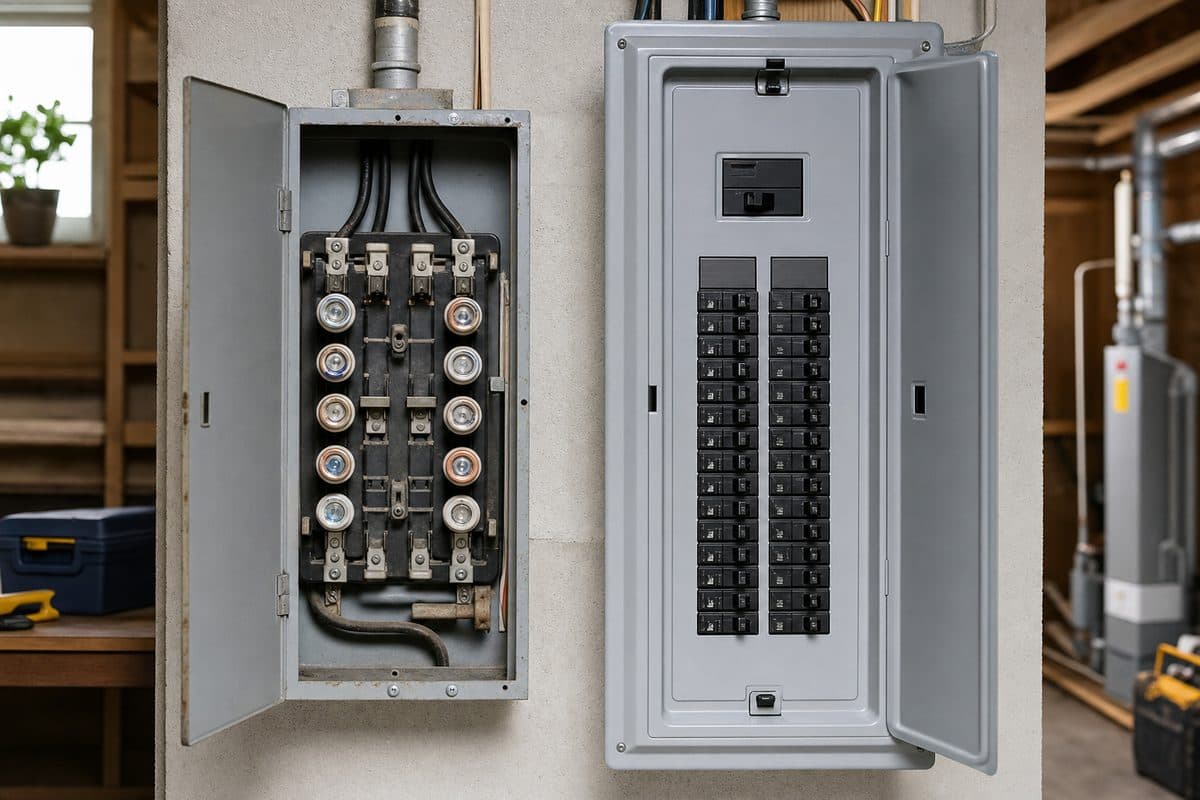
Level 2 home charging is not just about buying a charger. A qualified electrician typically evaluates whether the home has space and capacity for a dedicated circuit, whether the electrical panel can support the additional load, and what installation approach fits the parking location. In some homes, the charger installation is straightforward. In others, a dedicated circuit installation or electrical panel upgrade may be part of the project.
- A dedicated circuit is commonly part of a Level 2 installation
- Panel capacity matters because the charger adds electrical demand
- Distance from the panel to the parking area can affect project scope
- Equipment choice and available power affect charging performance
Why professional evaluation matters
Home EV charging should be evaluated and installed by a qualified electrician, especially for Level 2 equipment. The professional review is about safety, compatibility, and making sure the home's electrical system is suited to the charger you want. Requirements can vary by city, county, and state, and a local provider can explain what applies to the project location.
What to ask for in a quote
A useful quote should show more than a single price. Ask whether the provider is quoting for charger installation only, a new dedicated circuit, or possible panel work as well. It is also helpful to understand what site conditions could change the final scope, since pricing is a planning tool and can vary by home, equipment choice, and location.
- Whether the quote includes evaluating panel capacity
- Whether a dedicated circuit is included or priced separately
- What charger type or power level the quote is based on
- Any assumptions about charger location and cable path
- Whether permits or utility coordination may be part of the project, if applicable in your area
If you are deciding between Level 1 and Level 2, the next move is to compare your daily driving with the time your vehicle spends parked at home, then request an electrician evaluation if faster charging may be needed. That helps you decide whether a simple charging setup is enough or whether it is time to plan for a dedicated circuit or panel upgrade.
Need help with EV charger installation?
Call ElectricianQuotes or check availability online for help with your electrical project.
Frequently asked questions
Is Level 2 always better than Level 1 for home charging?
Not always. Level 2 is generally faster, but Level 1 may be enough for some households depending on the vehicle, daily driving, and how long the car is parked at home.
Does a Level 2 EV charger need a dedicated circuit?
A dedicated circuit is commonly part of a Level 2 installation. A qualified electrician should evaluate the charger choice and the home's electrical system to confirm what is needed.
Will I need an electrical panel upgrade for Level 2 charging?
Maybe. Some homes have sufficient capacity already, while others may need panel work to support the added load. An electrician evaluation is the best way to determine that.
What information should I have ready before requesting EV charger quotes?
Have your vehicle model, typical daily mileage, parking location, and how long the vehicle is usually parked at home. It also helps to know where the electrical panel is located and whether you are considering Level 1 or Level 2.
Sources and review
Technical and safety facts in this guide were checked against the listed sources on July 31, 2026. Cost and timing language is planning context, not a property-specific quote. Local code, permit, inspection, utility, and product requirements should be confirmed for the project address and equipment. Comparisons and next-step recommendations are editorial planning guidance; on-site findings determine the work.