Updated February 25, 2026Sources reviewed July 31, 20265 min read
Not every electrical problem is an emergency, but some clearly are. Knowing the difference helps you act fast when it matters and avoid panic when it does not. When you call an emergency electrician, the priority is always safety first: protect yourself and others, then connect with help.
Signs that are urgent
Treat the following as urgent. If you notice any of them, stop using the affected area until it has been checked by a qualified electrician.
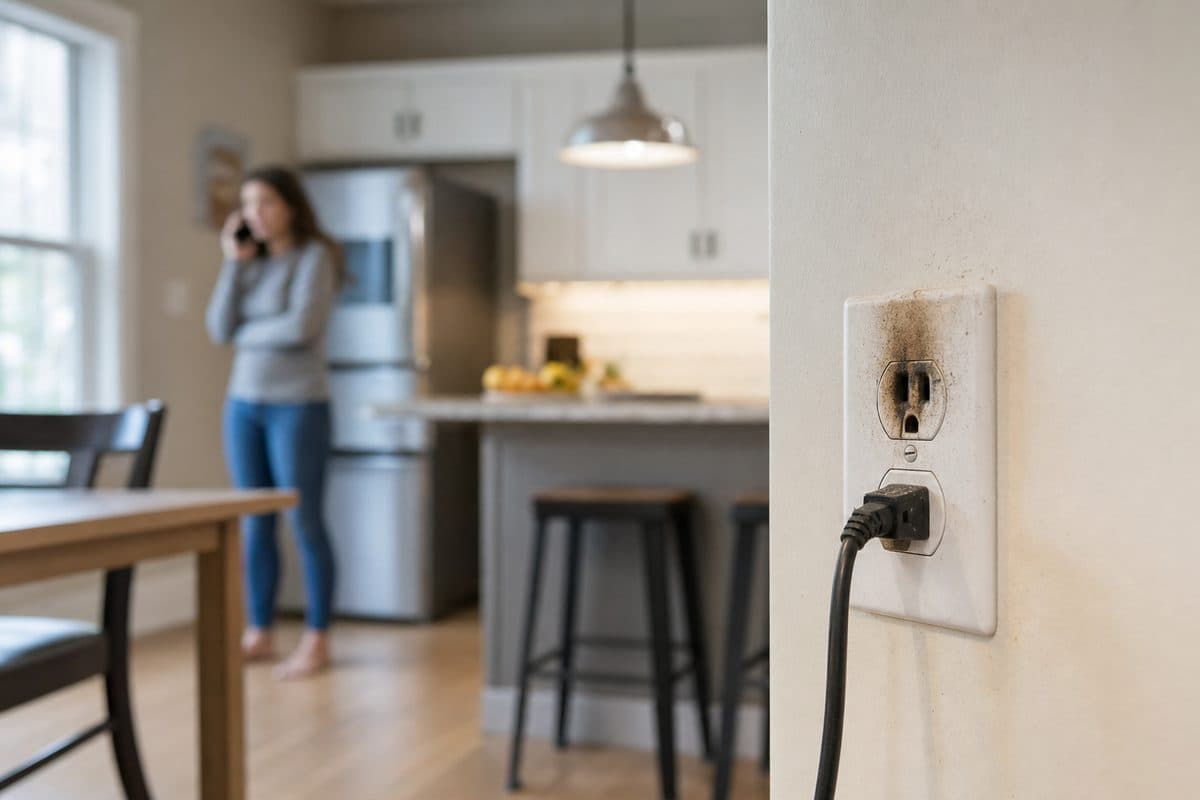
- Burning smells, smoke, or sparking from outlets, switches, or the panel.
- Outlets, switch plates, or the panel that are hot to the touch.
- Exposed, frayed, or damaged wiring, especially near water.
- A buzzing or sizzling sound from electrical components.
- Repeated breaker trips paired with heat, odor, or scorch marks.
- Sudden partial power loss that does not add up, combined with any warning sign above.
What you can safely do right now
- 1
Get to safety
Move away from the hazard and keep others clear of the affected area.
- 2
Stop using the area
Unplug what you safely can and stop using the affected outlets, switches, or appliances.
- 3
Cut power only if safe
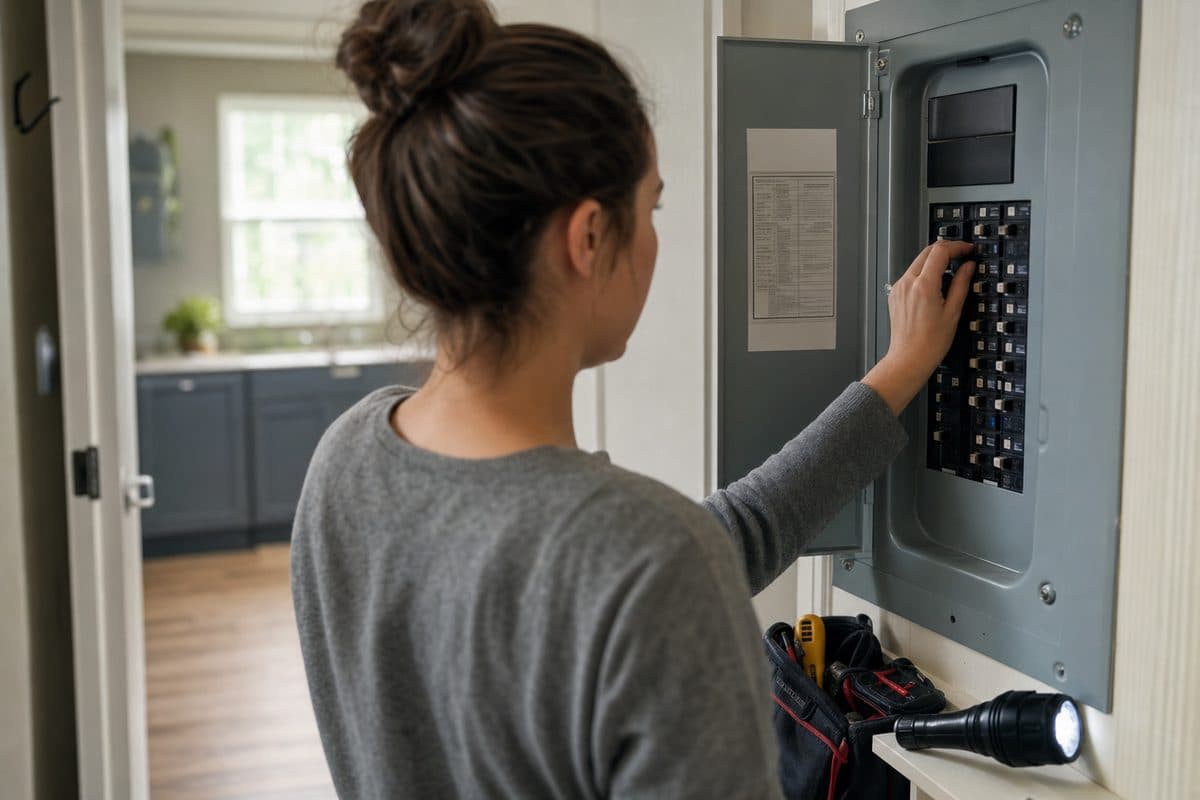
If the panel is safe to reach and is not itself hot, sparking, or wet, you may switch off the affected circuit or main breaker.
- 4
Connect with urgent help
Reach out for urgent electrician help to isolate the hazard and diagnose the cause.
What can usually wait
Some issues are inconvenient but not emergencies, such as a single dead outlet with no warning signs, a light fixture that has stopped working, or a breaker that tripped once during an obvious overload and then held. These can typically be handled by a scheduled repair visit.
ElectricianQuotes is a nationwide service that helps you understand your situation and connect with urgent electrician help in your area as quickly as possible. Availability may vary by location and provider, and we cannot guarantee around-the-clock service everywhere.
Need help with emergency electrician?
Call ElectricianQuotes or check availability online for help with your electrical project.
Frequently asked questions
What counts as an electrical emergency?
Burning smells, smoke, sparking, hot outlets or panels, exposed or water-damaged wiring, and repeated trips paired with heat or odor are all urgent. Stop using the affected area and seek urgent electrician help. An active fire or immediate danger requires emergency services.
Should I turn off the main breaker in an emergency?
Only if the panel is safe to reach and is not itself hot, sparking, or wet. If getting to the panel means approaching the hazard, stay clear and wait for help. Never touch sparking, scorched, or water-exposed electrical parts.
Is a tripping breaker an emergency?
A breaker doing its job is not necessarily an emergency. But if the trips come with heat, burning smells, buzzing, or scorch marks, treat it as urgent, stop using the circuit, and connect with a qualified electrician.
Sources and review
Technical and safety facts in this guide were checked against the listed sources on July 31, 2026. Comparisons and next-step recommendations are editorial planning guidance; on-site findings determine the work.