Updated March 27, 2026Sources reviewed July 31, 20265 min read
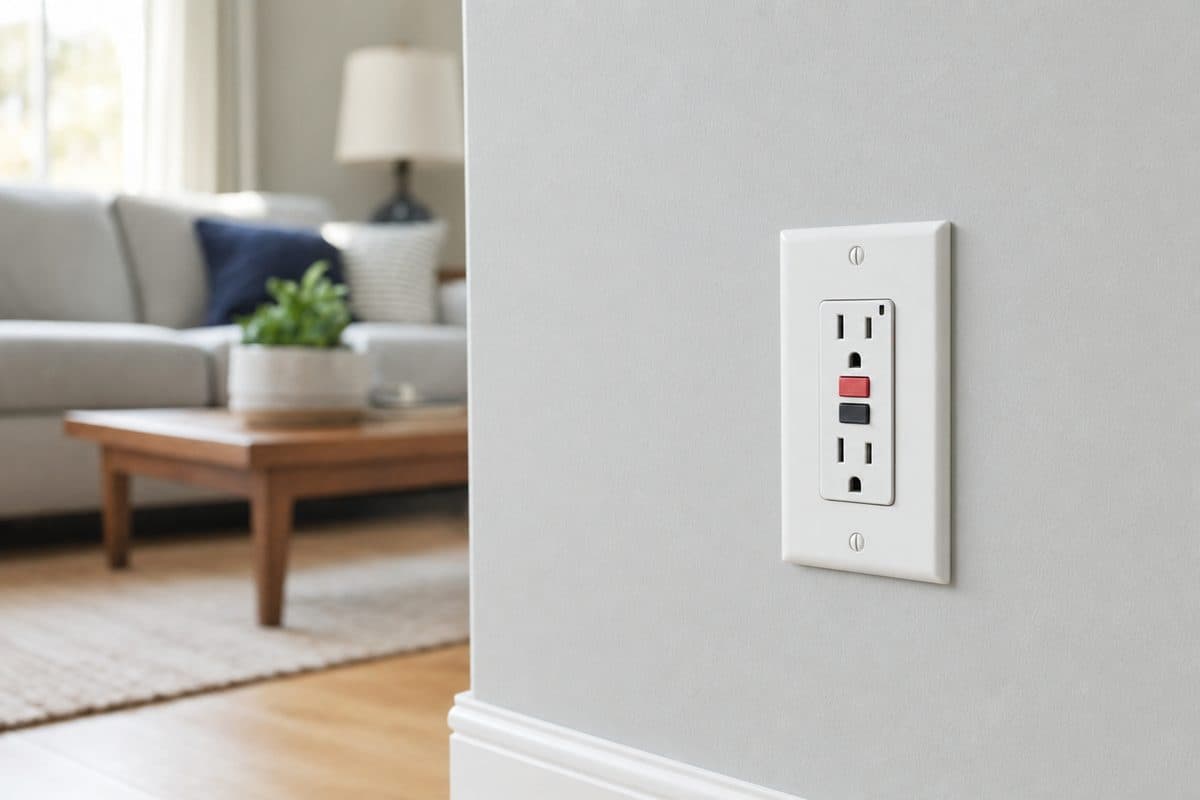
A GFCI outlet, short for ground-fault circuit interrupter, is a safety device that protects against electric shock. You will recognize it by the small test and reset buttons on its face. GFCIs are most common in areas where electricity and water can meet, and they are one of the simplest, most effective safety upgrades in a home.
How a GFCI works
A GFCI constantly compares the current flowing out to the current flowing back. If it detects even a small imbalance, a sign that electricity may be escaping along an unintended path, such as through a person, it cuts power in a fraction of a second. That fast shutoff is what helps prevent a dangerous shock.
Where GFCI outlets are typically used
- Kitchens, near sinks and countertops.
- Bathrooms.
- Garages and unfinished basements.
- Outdoor outlets and around pools or hot tubs.
- Laundry and utility areas.
Where GFCI protection is required can vary by city, county, and state, and requirements have expanded over the years. Older homes may not have GFCIs in all the places a modern home would, which is a common reason homeowners add them.
How to test your GFCI outlets
- 1
Press TEST
With a small device like a lamp plugged in, press the TEST button. The power should cut off and the device should turn off.
- 2
Press RESET
Press the RESET button. Power should return and the device should turn back on.
- 3
Repeat monthly
Testing your GFCIs about once a month confirms they are still protecting you.
- 4
Flag any failures
If a GFCI will not trip when tested, will not reset, or trips repeatedly, note it for a qualified electrician.
ElectricianQuotes is a nationwide service that helps you understand GFCI protection and connect with electrician help in your area. Availability may vary by location and provider, and an electrician can confirm where GFCI protection is recommended for your home.
Need help with GFCI outlet installation?
Call ElectricianQuotes or check availability online for help with your electrical project.
Frequently asked questions
How often should I test a GFCI outlet?
About once a month. Press TEST to confirm power cuts off, then RESET to restore it. Regular testing confirms the device is still providing protection. If it fails to trip or reset, have a qualified electrician evaluate it.
Why does my GFCI keep tripping?
Frequent tripping can mean the GFCI is detecting moisture, a ground fault in a connected device, or a wiring issue, or the device itself may be aging. Never bypass it. Connect with a qualified electrician to identify and resolve the cause safely.
Can one GFCI protect more than one outlet?
Yes. A single GFCI outlet can protect additional standard outlets wired downstream of it. That is why a tripped GFCI can sometimes leave several ordinary-looking outlets without power until it is reset.
Sources and review
Technical and safety facts in this guide were checked against the listed sources on July 31, 2026. Local code, permit, inspection, utility, and product requirements should be confirmed for the project address and equipment. Comparisons and next-step recommendations are editorial planning guidance; on-site findings determine the work.