
GFCI Outlets guide
GFCI Outlet Installation
GFCI (ground-fault circuit interrupter) outlet installation adds shock protection in areas near water by cutting power instantly when it detects a ground fault. It's a key safety upgrade for kitchens, bathrooms, garages, and outdoor outlets. ElectricianQuotes helps you understand it and connect with electrician help.
Updated July 26, 2026
GFCI Outlet Installation, explained
The key decision is: Which locations need GFCI protection, and should protection be provided at the device or upstream? A useful installation scope connects the selected equipment and location to wiring, capacity, access, controls, testing, and finish responsibilities.
Start with the affected equipment or area, the visible condition or desired result, and any recent change. The sections below explain the scope choices and quote details that matter for gfci outlets.
When to plan gfci outlets
Define the equipment, location, intended use, existing conditions, and finish expectations before comparing installation proposals.
Needs and situations this service covers
- I need GFCI outlets installed
- Outlets near sinks, tubs, or water sources lack GFCI protection
- Garage, basement, or outdoor outlets need protection
- A GFCI outlet trips often or won't reset
- You're updating an older home's safety devices
What can change the scope
- Older homes built before GFCI protection was common near water
- Added outlets that weren't GFCI protected
- Moisture causing ground faults outdoors or in garages
- Aging GFCI devices reaching end of life
- A standard receptacle may be replaced with a GFCI device when the circuit and box are suitable for the planned installation.
- A new location can require a box, wiring path, circuit evaluation, device, cover, and finish work.
Which locations need GFCI protection, and should protection be provided at the device or upstream?
The project may be a device replacement, a new protected location, or a broader circuit correction. The quote should state exactly what will be protected and how the existing circuit is involved.
Replacing an existing receptacle
A standard receptacle may be replaced with a GFCI device when the circuit and box are suitable for the planned installation.
Adding a new protected outlet
A new location can require a box, wiring path, circuit evaluation, device, cover, and finish work.
Troubleshooting a device that will not reset
Testing should determine whether the GFCI is failed or responding to another issue on the circuit.
Protecting connected outlets
Some circuit arrangements allow one GFCI device to protect additional receptacles, which should be identified and labeled correctly.
Outdoor and weather-exposed locations
Exterior work should account for the enclosure, cover, mounting, weather exposure, and condition of the existing circuit.
Circuit corrections
Damaged wiring, grounding concerns, crowded boxes, or a circuit fault may need correction before the GFCI installation is complete.
Useful observations and electrical safety boundaries
Share what you can observe without opening equipment or touching wiring. Energized testing, disassembly, and repair belong to a qualified electrician.
Useful details to note
- Identify outlets near water that lack test/reset buttons
- Test existing GFCIs monthly using their test button
- Note any GFCI that won't reset or trips frequently
- List the areas where you want protection added
Leave these steps to an electrician
- GFCI protection is a safety feature near water, don't bypass or disable it.
- A GFCI that won't reset may be doing its job; have the circuit checked rather than forcing it.
- Do not attempt to rewire outlets yourself.
- GFCI requirements can vary by city, county, and state.
Warning signs to mention when requesting help
There is active fire, visible smoke, or a serious electrical injury; To add GFCI protection in kitchens, baths, garages, or outdoors; When a GFCI trips repeatedly or won't reset; When updating safety devices in an older home; Whenever outlets near water lack protection.
How an electrician plans gfci outlets
The exact sequence depends on the selected equipment, existing electrical system, route, access, and findings at the property.
- 1
Confirm the project location
Identify the receptacle, nearby conditions, intended use, and whether the work is a new installation, replacement, or repair.
- 2
Evaluate the existing circuit
Check the supply, box, grounding path, connected outlets, and visible condition before selecting the installation approach.
- 3
Define what will be protected
Explain whether the new device protects only its own receptacle or additional connected locations.
- 4
Complete the installation
Install the agreed device, wiring, enclosure, cover, and any necessary circuit corrections.
- 5
Test and label
Verify trip and reset operation and identify connected protected outlets when applicable.
- 6
Explain ongoing use
Show which outlets are protected, how to test the device, and what to do if it will not reset later.
- 7
Identify the areas
Note which outlets near water need protection or replacement.
Get GFCI outlet installation help
Call or request availability to connect with electrician help.
What affects gfci outlets cost
GFCI cost depends on how many locations need protection and whether outlet-level GFCIs or a GFCI breaker is the best approach. Treat published ranges as planning references rather than a quote for a particular property.
Number of protected locations
GFCI outlets vs. GFCI breaker
Condition of existing wiring and boxes
Any troubleshooting of frequent trips
| Scope | Typical range | What it usually involves |
|---|---|---|
| Single GFCI outlet | $150-$375 | One protected location |
| Several locations | $375-$1,000 | Multiple GFCI outlets |
| GFCI breaker / wiring work | $400-$1,225 | Breaker-level protection or repairs |
Cost ranges are estimates developed from standardized project scopes and reviewed pricing inputs. Government labor and regional cost data are used where applicable. See our Pricing Methodology for the exact sources, calculations, and review date. Actual prices vary by property, scope, materials or equipment, location, and provider.
How to compare the written scope and quote
Compare what each proposal includes, what assumptions it makes, and how findings that change the scope will be handled, not only the total price.
- Which outlet locations are included?
- Is the work a replacement, new outlet, or circuit correction?
- Will one GFCI device protect other connected outlets?
- Are boxes, covers, weather protection, and finish materials included?
- Is any new wiring, dedicated circuit work, or panel work included?
- Will the completed installation be tested and labeled?
- Are permits or inspections required for this scope?
- What workmanship and device warranty applies?
Common issues related to gfci outlets
Choose the closest visible symptom for a focused explanation of urgency, useful observations, and the service that may fit.


GFCI Outlet Installation: common questions
What is a GFCI outlet?
A ground-fault circuit interrupter monitors the electricity flowing through it and cuts power within a fraction of a second if it detects a ground fault, the kind of leak that can cause a shock near water. It's a key safety device in kitchens, baths, garages, and outdoors.
Why does my GFCI keep tripping?
It may be detecting a real ground fault, moisture, or a failing device. Repeated tripping shouldn't be ignored or bypassed, an electrician can find the cause and restore safe protection.
Do I need GFCIs in an older home?
Many older homes lack GFCI protection where it's now expected near water. Adding it is a worthwhile safety upgrade. Requirements vary by city, county, and state, and an electrician can advise.
Can one GFCI protect several outlets?
Sometimes, depending on how the circuit is wired, a single GFCI or a GFCI breaker can protect downstream outlets. An electrician can determine the best setup for your layout.
Sources and editorial review
Service guidance is checked against the government, safety, and consumer sources below. Equipment instructions, site conditions, and the requirements that apply to a specific address can still change the right scope.


Helpful resources
Plan GFCI outlets with clearer information
Use these related guides to understand the scope, prepare useful questions, and compare electrical proposals.

Planning New Outlets, GFCI Protection, and Dedicated Circuits
Thinking about adding outlets or new circuits? This guide helps you compare standard receptacles, GFCI protection, dedicated circuits, and 240-volt outlets so you can discuss the job clearly with a qualified electrician.
Read guide
Pool, Hot Tub, and Outdoor Electrical Safety Guide
Pools, hot tubs, and outdoor wet areas need careful electrical planning and reliable shock protection. This guide explains what to watch for, what a qualified electrician evaluates, and what to include in a quote request.
Read guide
What Is a GFCI Outlet?
GFCI outlets protect against shock where electricity and water meet. Here is how they work, where they belong, and how to test them.
Read guide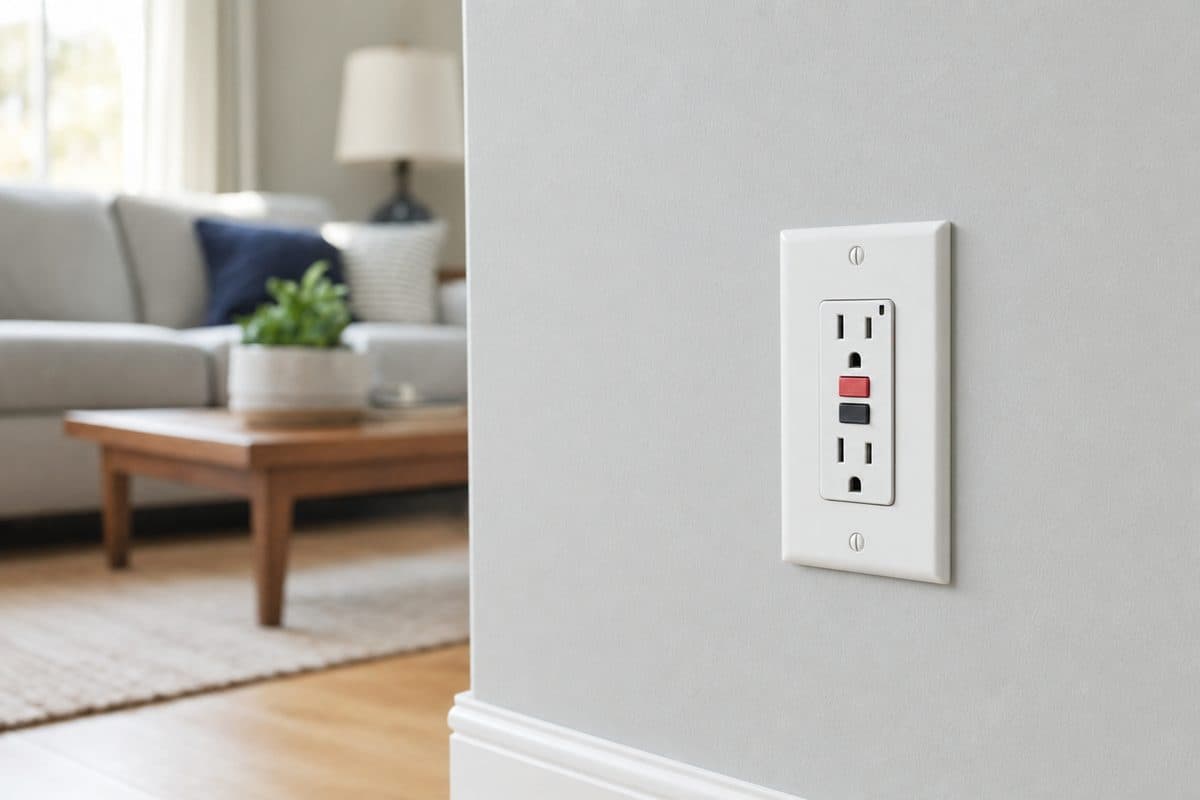
Why Are My Outlets Not Working?
A dead outlet is not always a big problem, sometimes a tripped GFCI is the culprit. Here is what to check safely and when to call for help.
Read guideNationwide coverage
GFCI Outlet Installation by state and city
Select a state or popular city to view GFCI outlets guidance and check electrician availability in that area.
Get GFCI outlet installation help
Call or request availability to connect with electrician help.
Call (833) 962-0486 to talk through the electrical problem and check electrician availability.