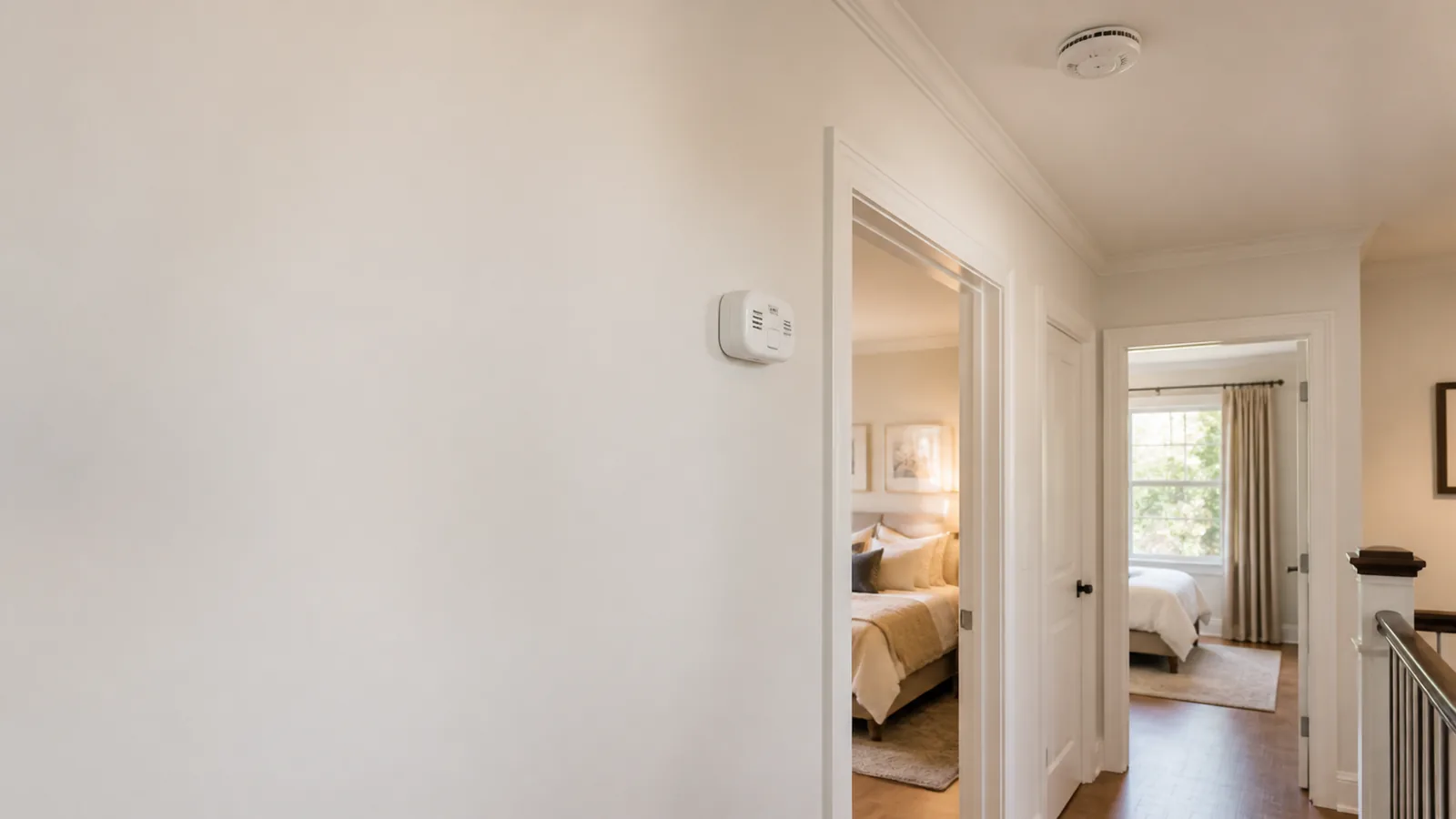
Smoke & CO Detectors guide
Smoke & Carbon Monoxide Detector Installation
Smoke and carbon monoxide alarm projects should begin with the property layout, existing alarms, power and interconnection, selected devices, and the requirements that apply to the actual location and project.
Updated July 26, 2026
Smoke & Carbon Monoxide Detector Installation, explained
The key decision is: Which alarm types, power method, interconnection, and placement plan fit the property? A useful installation scope connects the selected equipment and location to wiring, capacity, access, controls, testing, and finish responsibilities.
Start with the affected equipment or area, the visible condition or desired result, and any recent change. The sections below explain the scope choices and quote details that matter for smoke & co detectors.
When to plan smoke & co detectors
Define the equipment, location, intended use, existing conditions, and finish expectations before comparing installation proposals.
Needs and situations this service covers
- I need smoke or CO detectors
- When installing new smoke or carbon monoxide detectors.
- If your current detectors are over 10 years old.
- After a home renovation or remodel.
- When local regulations require upgrades.
What can change the scope
- End-of-life replacement of existing detectors.
- Upgrading to combination smoke and CO detectors.
- Renovations requiring updated safety devices.
- Compliance with updated safety codes or insurance requirements.
- Removal, base and wiring inspection, model compatibility, battery backup, interconnection, mounting, date labeling, testing, and disposal may be included.
- New boxes, cable routes, circuit source, interconnection, ceiling or wall access, placement verification, permits, and finish restoration may be required.
Which alarm types, power method, interconnection, and placement plan fit the property?
The quote should identify verified placement requirements, alarm types and models, power and interconnection, circuit and box work, access, setup, testing, documentation, and finish responsibilities.
Hardwired alarm replacement
Removal, base and wiring inspection, model compatibility, battery backup, interconnection, mounting, date labeling, testing, and disposal may be included.
New hardwired alarm locations
New boxes, cable routes, circuit source, interconnection, ceiling or wall access, placement verification, permits, and finish restoration may be required.
Smoke and carbon monoxide alarm planning
Alarm purpose, device type, location, power, interconnection, manufacturer instructions, and adopted local requirements should be documented.
Interconnected and smart alarm systems
Wired or wireless interconnection, model compatibility, hubs or apps, network needs, notifications, user setup, and manual testing should be defined.
Inspection or project corrections
A written correction should identify the required alarm locations or functions, governing project, proposed devices, and closure documentation.
Chirping and nuisance-alarm diagnosis
Device age, batteries, contamination, placement, power, interconnection, model status, and other alarms may be reviewed before replacement.
Useful observations and electrical safety boundaries
Share what you can observe without opening equipment or touching wiring. Energized testing, disassembly, and repair belong to a qualified electrician.
Useful details to note
- Number of levels, room and sleeping-area layout, attached garage, and relevant fuel-burning equipment
- Existing alarm locations, visible model and date labels, power type, and whether alarms sound together
- Any remodel, sale, permit, inspection, or correction document that requests alarm work
- Desired smoke, carbon monoxide, combination, interconnected, app, and notification features
- Check the expiration date on your detectors.
- Test alarms monthly using the test button.
Leave these steps to an electrician
- Do not remove hardwired alarms or open electrical boxes to inspect wiring
- Do not disable, cover, relocate, or permanently silence alarms as a troubleshooting step
- Do not assume one alarm layout or device type applies to every property and jurisdiction
- Do not remain in the property to troubleshoot when an alarm may indicate smoke, fire, or carbon monoxide exposure
- Never attempt to hardwire detectors yourself; use a qualified electrician.
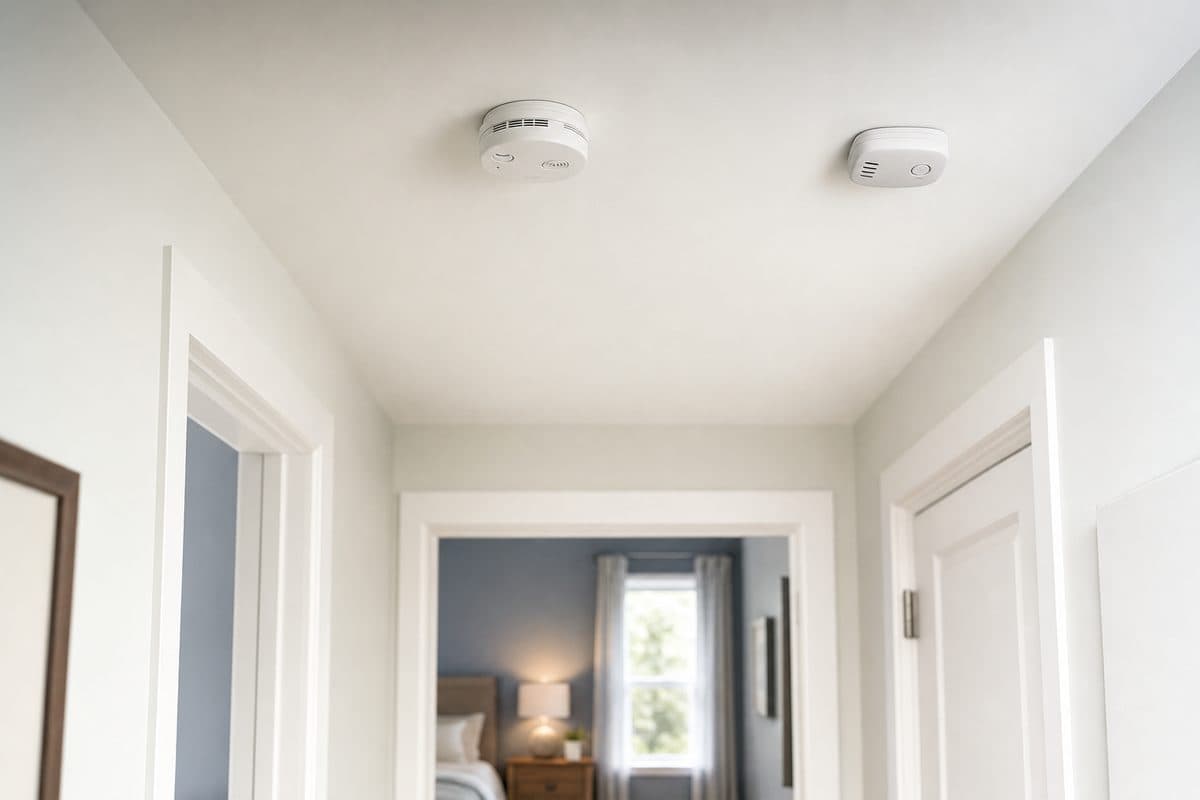
- Ensure detectors are placed in key areas like bedrooms and hallways.
Warning signs to mention when requesting help
An alarm is sounding and there may be smoke, fire, or carbon monoxide exposure; If your detectors are not functioning properly.; For hardwiring new or replacement detectors.; To ensure compliance with local safety codes.; If you need interconnected alarms installed..
How an electrician plans smoke & co detectors
The exact sequence depends on the selected equipment, existing electrical system, route, access, and findings at the property.
- 1
Review property and project requirements
Collect the floor plan, existing alarms, remodel or inspection documents, jurisdiction, manufacturer instructions, and desired features.
- 2
Inspect the existing alarm system
Identify alarm types, models and dates, locations, power, circuit, interconnection, boxes, visible condition, and system behavior.
- 3
Verify placement and device plan
Match alarm functions and locations to verified requirements and manufacturer instructions, then select compatible devices and interconnection.
- 4
Define wiring and access
Plan boxes, cable routes, circuit work, ceiling or wall access, wireless components, permits, inspection, and finish restoration.
- 5
Install and label
Complete devices, bases, wiring or wireless interconnection, batteries, app or hub setup, date labels, cleanup, and required documentation.
- 6
Test and hand off
Test every alarm and interconnection path, verify notifications and manual controls, review user testing and replacement information, and document the installed models.
- 7
Assessment and Planning
Determine the type and number of detectors needed for your home.
Get smoke and carbon monoxide alarm installation help
Call or request availability to connect with electrician help.
What affects smoke & co detectors cost
The cost of installing smoke and carbon monoxide detectors varies based on several factors. Treat published ranges as planning references rather than a quote for a particular property.
Type of detectors: smoke, CO, or combination
Wiring requirements: battery vs. hardwired
Number of units needed
Local code compliance needs
| Scope | Typical range | What it usually involves |
|---|---|---|
| Basic Installation | $175-$450 | Installation of battery-operated detectors. |
| Standard Installation | $450-$1,450 | Installation of hardwired detectors with battery backup. |
| Comprehensive Installation | $775-$1,450 | Eight contractor-supplied hardwired combination smoke/CO alarms replacing existing devices on accessible 120V interconnect wiring; testing is included, while new circuits, rewiring, finish repair, monitoring, and permit fees are excluded. |
Cost ranges are estimates developed from standardized project scopes and reviewed pricing inputs. Government labor and regional cost data are used where applicable. See our Pricing Methodology for the exact sources, calculations, and review date. Actual prices vary by property, scope, materials or equipment, location, and provider.
How to compare the written scope and quote
Compare what each proposal includes, what assumptions it makes, and how findings that change the scope will be handled, not only the total price.
- What property, project, manufacturer, and local requirements support the proposed layout?
- Which smoke, carbon monoxide, or combination alarm models and quantities are included?
- Which alarms are hardwired, battery powered, wired-interconnected, or wirelessly interconnected?
- Are new boxes, wiring, circuits, interconnection, batteries, hubs, and app setup included?
- How will existing alarms, bases, wiring, model compatibility, and system faults be handled?
- Are ceiling or wall access, patching, painting, permits, inspection, disposal, and cleanup included?
- How will every alarm, interconnection path, notification, and manual test be verified?
- What documentation, date labels, model records, instructions, and warranty will be provided?
Common issues related to smoke & co detectors
Choose the closest visible symptom for a focused explanation of urgency, useful observations, and the service that may fit.


Smoke & Carbon Monoxide Detector Installation: common questions
How often should smoke and CO detectors be replaced?
Detectors should typically be replaced every 10 years, but always check the manufacturer's guidelines.
Where should detectors be installed?
Install detectors in bedrooms, hallways, each level of the home, and near fuel-burning appliances for CO detection.
Can I install hardwired detectors myself?
It is recommended to use a qualified electrician for hardwiring detectors to ensure safety and compliance.
Are battery-operated detectors reliable?
Yes, especially models with a 10-year sealed battery, but they should be tested monthly and replaced as needed.
Sources and editorial review
Service guidance is checked against the government, safety, and consumer sources below. Equipment instructions, site conditions, and the requirements that apply to a specific address can still change the right scope.
Related services


Helpful resources
Plan smoke & CO detectors with clearer information
Use these related guides to understand the scope, prepare useful questions, and compare electrical proposals.
Nationwide coverage
Smoke & Carbon Monoxide Detector Installation by state and city
Select a state or popular city to view smoke & CO detectors guidance and check electrician availability in that area.
Get smoke and carbon monoxide alarm installation help
Call or request availability to connect with electrician help.
Call (833) 962-0486 to talk through the electrical problem and check electrician availability.