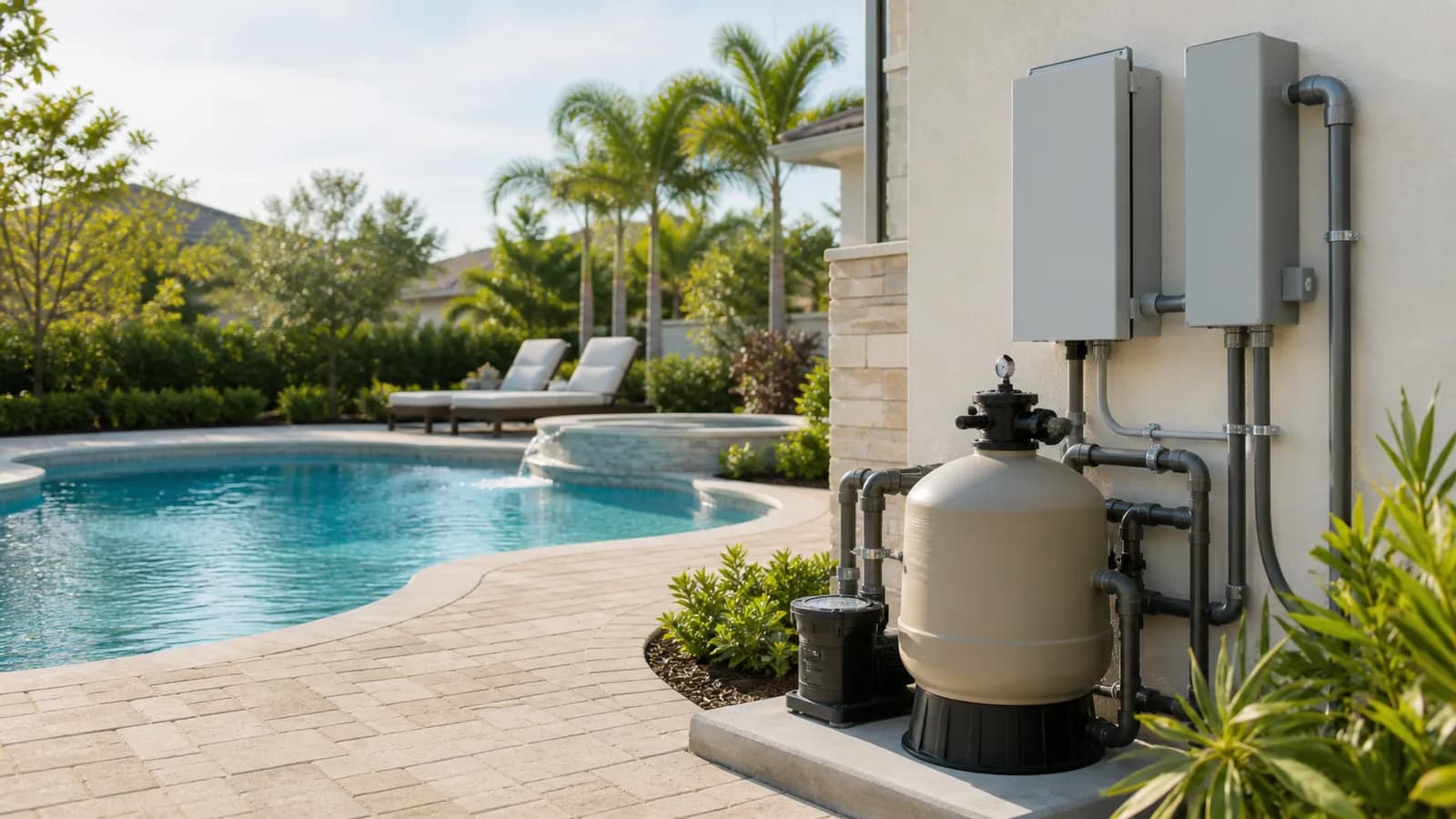
Pool Wiring guide
Pool Wiring
Pool electrical work should be planned around the complete equipment set, pool and deck layout, equipment location, controls, power requirements, and verified project rules. Pumps, heaters, lights, sanitizing equipment, automation, and future accessories can each affect the design.
Updated July 26, 2026
Pool Wiring, explained
The key decision is: What pool equipment, bonding, protection, disconnects, layout, and trade coordination does the project require? A useful installation scope connects the selected equipment and location to wiring, capacity, access, controls, testing, and finish responsibilities.
Start with the affected equipment or area, the visible condition or desired result, and any recent change. The sections below explain the scope choices and quote details that matter for pool wiring.
When to plan pool wiring
Define the equipment, location, intended use, existing conditions, and finish expectations before comparing installation proposals.
Needs and situations this service covers
- I need pool electrical work
- Installing a new pool or renovating an existing one.
- Experiencing issues with pool lighting or pump operation.
- Upgrading to automated pool systems or timers.
- Ensuring compliance with updated electrical safety standards.
What can change the scope
- Initial pool construction or renovation.
- Malfunctioning pool equipment.
- Desire to upgrade to more energy-efficient systems.
- Changes in electrical code requirements.
- Equipment models, loads, circuits, protection, controls, disconnecting means, connections, equipment-pad layout, and startup responsibilities should be defined.
- Service capacity, main and pool panels, feeder or branch circuits, breaker space, load planning, routes, grounding and bonding, and future equipment may be included.
What pool equipment, bonding, protection, disconnects, layout, and trade coordination does the project require?
The quote should identify the equipment, electrical source, circuits and feeders, protection, grounding and bonding, controls, lighting, routes, approvals, testing, and division of work.
Pumps, heaters, and treatment equipment
Equipment models, loads, circuits, protection, controls, disconnecting means, connections, equipment-pad layout, and startup responsibilities should be defined.
Pool panels, feeders, and capacity
Service capacity, main and pool panels, feeder or branch circuits, breaker space, load planning, routes, grounding and bonding, and future equipment may be included.
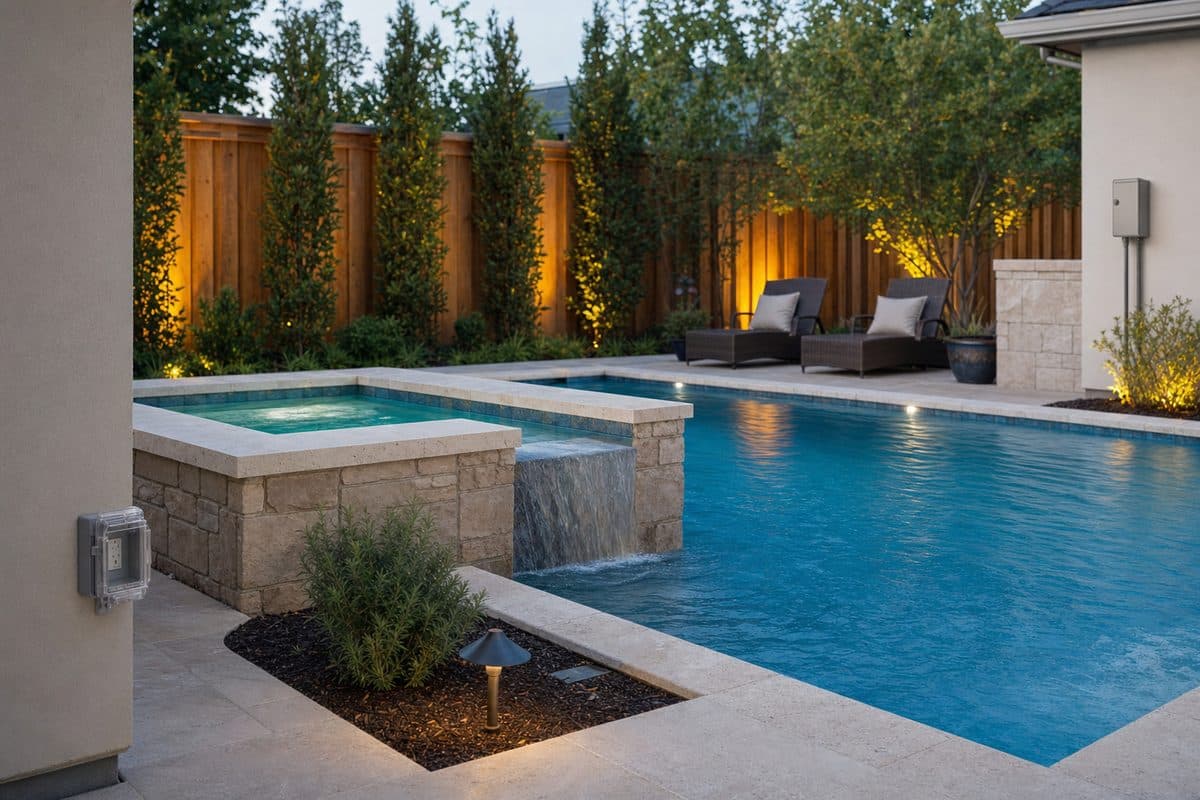
Pool and landscape lighting
Pool lights, transformers or controls, junction and connection points, landscape fixtures, routes, switching, automation, access, and testing should be coordinated.
Controls and automation
Timers, relays, pump controls, heaters, sanitizers, lighting scenes, remote panels, network connections, apps, and equipment compatibility may be part of the project.
Protection, grounding, and bonding
The electrician should verify the requirements that apply to the actual pool, equipment, deck, structures, metal parts, circuits, and jurisdiction and document the proposed work.
Existing pool electrical diagnosis
Tripping protection, failed lights, dead equipment, intermittent controls, damaged wiring, corrosion, water entry, and equipment faults should be separated before repair.
Useful observations and electrical safety boundaries
Share what you can observe without opening equipment or touching wiring. Energized testing, disassembly, and repair belong to a qualified electrician.
Useful details to note
- Pool or remodel plan showing the water, deck, equipment pad, structures, lighting, controls, and proposed electrical routes
- Pump, heater, sanitizer, lighting, transformer, control, and accessory makes, models, manuals, and electrical specifications
- Construction schedule and the parties responsible for excavation, plumbing, equipment, concrete, deck, landscape, startup, and inspections
- Existing service and pool-panel locations plus future equipment such as a spa, heat pump, outdoor kitchen, lighting, or automation
- Check for visible signs of wear or damage on pool equipment.
- Note any unusual noises or vibrations from pool pumps.
Leave these steps to an electrician
- Do not open pool panels, controls, transformers, lights, junction points, or equipment compartments to inspect wiring
- Do not repeatedly reset protection that trips or bypass a protective device, control, or disconnect
- Do not enter the pool or touch connected equipment when there is a shock or tingle, visible damage, submerged equipment, or electrical warning sign
- Do not energize new or relocated equipment before the required electrical testing and project inspections are complete
- Never attempt DIY electrical work around pools due to the high risk of electric shock.
- Ensure all pool wiring includes GFCI protection for safety.
Warning signs to mention when requesting help
There is active fire, visible smoke, or a serious electrical injury; You suspect electrical issues with pool equipment.; Planning to install new pool features requiring electrical connections.; After a pool inspection reveals electrical concerns.; When upgrading to a more advanced pool automation system..
How an electrician plans pool wiring
The exact sequence depends on the selected equipment, existing electrical system, route, access, and findings at the property.
- 1
Review plans and equipment
Confirm pool and deck layout, equipment schedule, electrical specifications, equipment-pad design, lighting, controls, structures, and future additions.
- 2
Evaluate power and existing conditions
Review the service, panels, capacity, routes, existing pool equipment, grounding and bonding, protection, controls, and visible damage or corrosion.
- 3
Define the electrical design
Plan feeders and circuits, equipment connections, protection, disconnects, grounding and bonding, lighting, controls, routes, access, and labels for the actual project.
- 4
Coordinate the construction sequence
Assign excavation, sleeves and routes, equipment setting, plumbing, concrete and deck work, electrical rough-in, inspections, finish work, startup, and restoration.
- 5
Install the approved scope
Complete panel, feeder, circuit, equipment, protection, grounding and bonding, lighting, control, connection, enclosure, label, and restoration work included in the quote.
- 6
Test and document
Verify circuits, protection, controls, equipment operation, lighting, grounding and bonding work, inspections, startup coordination, and owner operating information.
- 7
Initial Consultation
Discuss your pool wiring needs with a professional to identify the scope of work.
Get pool electrical and wiring help
Call or request availability to connect with electrician help.
What affects pool wiring cost
Pool wiring costs can vary based on the complexity of the installation and local requirements. Treat published ranges as planning references rather than a quote for a particular property.
Size and complexity of the pool system.
Type of equipment being installed.
Local permit and inspection fees.
Existing electrical infrastructure.
| Scope | Typical range | What it usually involves |
|---|---|---|
| Basic Setup | $1,500-$3,750 | Includes basic wiring for a small pool with minimal features. |
| Standard Setup | $3,250-$7,750 | Covers a medium-sized pool with standard equipment and features. |
| Advanced Setup | $7,000-$16,250 | For large pools with advanced automation and multiple features. |
Cost ranges are estimates developed from standardized project scopes and reviewed pricing inputs. Government labor and regional cost data are used where applicable. See our Pricing Methodology for the exact sources, calculations, and review date. Actual prices vary by property, scope, materials or equipment, location, and provider.
How to compare the written scope and quote
Compare what each proposal includes, what assumptions it makes, and how findings that change the scope will be handled, not only the total price.
- Which pool plan, equipment models, electrical specifications, and future additions is the quote based on?
- Which service, panel, feeder, circuit, protection, disconnect, conductor, enclosure, and label work is included?
- How are grounding, bonding, equipment placement, deck and structure conditions, and verified project requirements addressed?
- Which pool lights, landscape lights, transformers, timers, controls, automation, network, and app work is included?
- Who handles excavation, sleeves, plumbing, equipment, concrete, deck, landscape, startup, cleanup, and restoration?
- Are permits, rough and final inspections, utility steps, equipment documents, and pool-contractor coordination included when required?
- How will every circuit, protection device, control, light, equipment connection, and included bonding work be tested?
- What equipment, plan, site, water, access, schedule, or existing-condition issue could change the scope or price?
Common issues related to pool wiring
Choose the closest visible symptom for a focused explanation of urgency, useful observations, and the service that may fit.


Pool Wiring: common questions
Why is GFCI protection important for pool wiring?
GFCI protection helps prevent electric shock by quickly shutting off power if an electrical fault is detected.
Do I need a permit for pool wiring?
Permit requirements can vary by location, so it's important to check with local authorities before starting any work.
How often should pool wiring be inspected?
Pool wiring should be inspected annually to ensure safety and compliance with current electrical standards.
Can I add automation to my existing pool system?
Yes, a qualified electrician can upgrade your system to include timers and automation for improved control and efficiency.
Sources and editorial review
Service guidance is checked against the government, safety, and consumer sources below. Equipment instructions, site conditions, and the requirements that apply to a specific address can still change the right scope.


Helpful resources
Plan pool wiring with clearer information
Use these related guides to understand the scope, prepare useful questions, and compare electrical proposals.
Nationwide coverage
Pool Wiring by state and city
Select a state or popular city to view pool wiring guidance and check electrician availability in that area.
Get pool electrical and wiring help
Call or request availability to connect with electrician help.
Call (833) 962-0486 to talk through the electrical problem and check electrician availability.