Updated July 25, 2026Sources reviewed July 31, 20268 min read
Pools, hot tubs, and outdoor wet areas combine electricity, metal equipment, and water, so safety needs to come first. If you notice shocks, tingling, repeated tripping, burning smells, damaged equipment, or water intrusion near electrical parts, stop using the affected equipment and request urgent evaluation by a qualified electrician.
Why these areas need extra electrical caution
The Consumer Product Safety Commission warns that pools and spas can present serious electrical hazards if protection is missing, damaged, or not working properly. Planning is not just about powering pumps, heaters, lights, and convenience outlets, it is also about reducing shock risk in wet locations and making sure the whole setup is evaluated under current local requirements.
Systems that should be reviewed together
A safe design considers the full outdoor electrical setup, not one item in isolation. A qualified electrician will usually look at how the pool or spa equipment, nearby receptacles, switching, lighting, and the home's electrical capacity interact, especially where water exposure and metal parts are involved.
- Pool or hot tub pumps and motors
- Heaters and control equipment
- Underwater lighting and landscape lighting
- Outdoor receptacles and disconnecting means
- GFCI protection serving wet-location equipment or outlets
- Bonding and connections involving metal components
- Visible wiring methods, covers, and weather exposure points
GFCI protection and why it matters
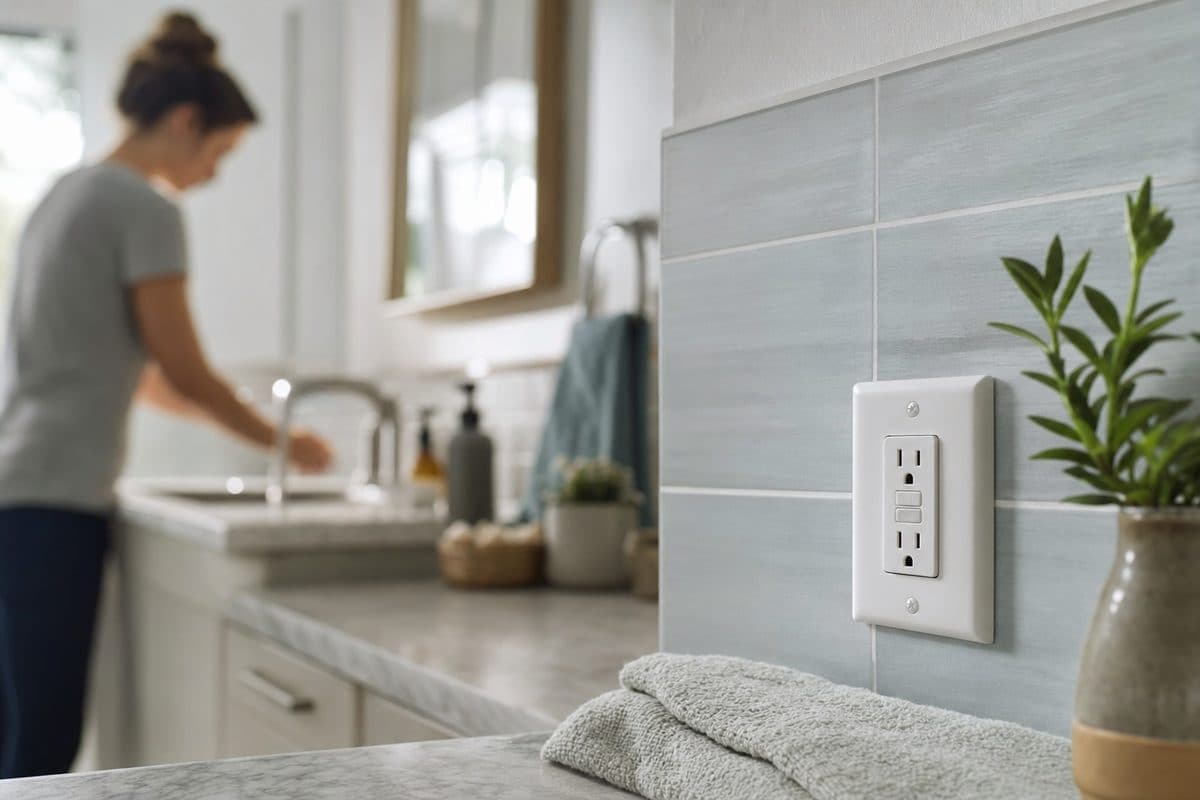
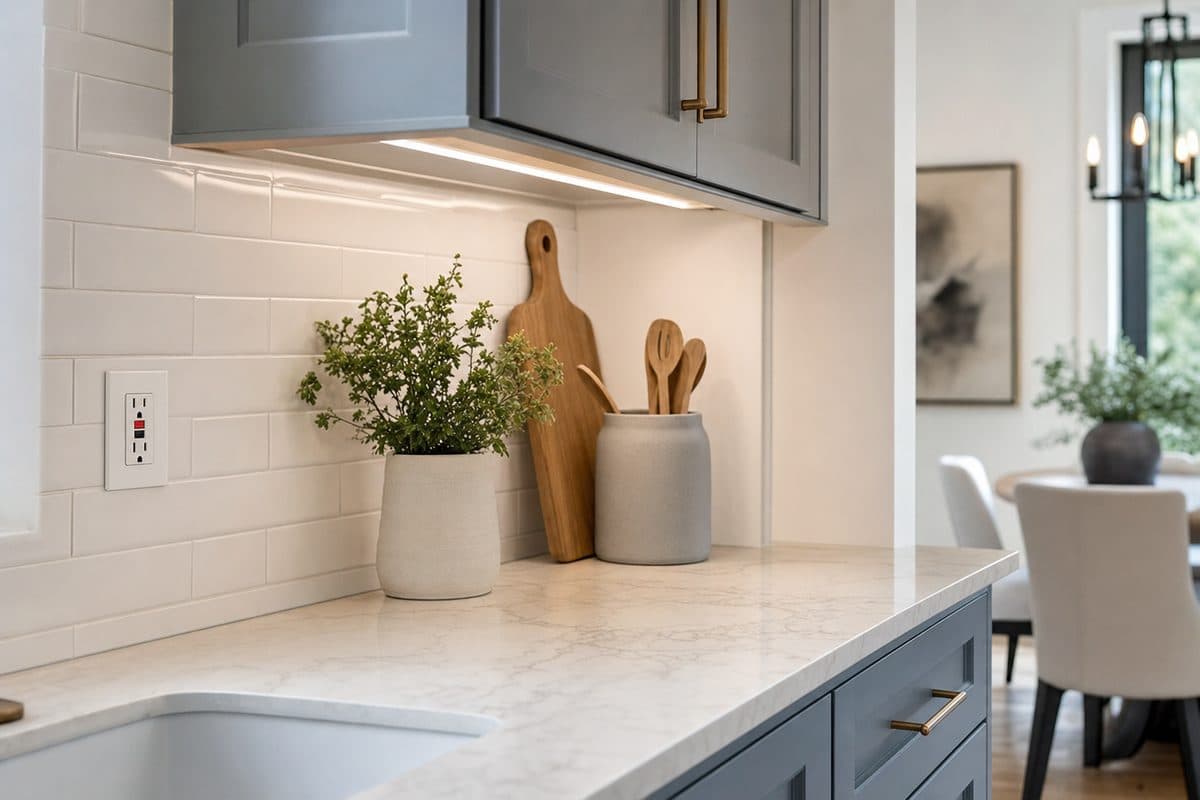
GFCI protection is a core safety measure in wet locations because it is designed to reduce shock risk. For planning purposes, ask which pool, spa, lighting, and outdoor receptacle circuits should have GFCI protection under local rules, whether existing protection is present and functional, and whether nuisance tripping may point to a fault that needs diagnosis rather than a reset-and-ignore approach.
Bonding, clearances, and weather exposure
Bonding and equipment placement are major parts of pool and spa safety, but requirements can vary by city, county, and state. An electrician can evaluate whether visible metal parts, equipment locations, wiring methods, and enclosures appear appropriate for the environment, including splash zones, rain exposure, corrosion, and how close electrical gear is to water and traffic areas.
- Rust, corrosion, cracked housings, or loose fittings
- Missing covers or damaged outdoor receptacles
- Light fixtures with moisture, fogging, or broken lenses
- Equipment pads that collect water or leave components exposed
- Cords or temporary wiring used where permanent wiring should be evaluated
- Panels, disconnects, or controls located where weather protection appears inadequate
What to gather before requesting quotes
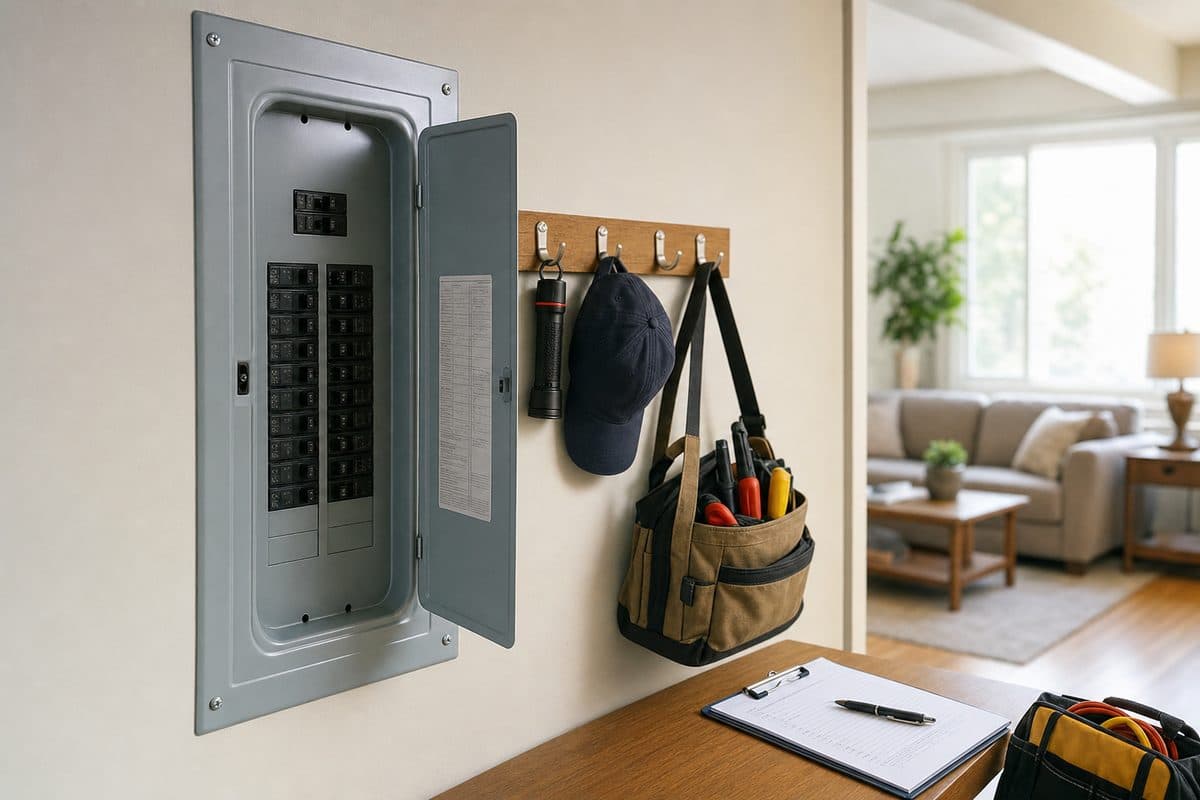
Good quote requests are specific. Share what equipment you have, what is being added or replaced, any symptoms you have noticed, and whether the project includes a new pool, a hot tub hookup, landscape lighting, or simply correcting safety concerns. Photos of equipment labels, the electrical panel, outdoor receptacles, and visible damage can help providers assess scope before a site visit.
- Type of project, such as pool wiring, hot tub wiring, outdoor lighting, or GFCI outlet installation
- Existing equipment list, including pumps, heaters, lights, and controls
- Whether the home already has a nearby subpanel or available electrical capacity
- Any tripping, shocks, odors, flickering, or water intrusion you have observed
- Whether work may require inspection or permit review under local rules
- Your preferred timing and whether the issue is urgent
Inspections, permits, and ongoing warning signs
Requirements for permits and inspections can vary by city, county, and state, so it is worth asking early how compliance will be handled and what approvals may apply. After installation or repair, continue watching for signs that conditions have changed, such as intermittent tripping, equipment that stops and starts unexpectedly, deteriorating covers, unusual heat, buzzing, or any sensation of tingling near water or metal parts.
Your next decision is whether you need planning for a new installation, correction of a known hazard, or a safety-focused inspection of an existing setup. If you are comparing providers through ElectricianQuotes, use your notes and photos to request detailed quotes so you can compare scope, safety considerations, and follow-up inspection needs, since availability and project approach can vary by location and provider.
Need help with pool wiring?
Call ElectricianQuotes or check availability online for help with your electrical project.
Frequently asked questions
What should I do if someone feels a tingling sensation in or near a pool or hot tub?
Treat that as a serious warning sign. Stop using the affected pool, hot tub, or equipment immediately and request urgent evaluation by a qualified electrician. If there is an active fire or immediate threat, contact emergency services.
Do pools and hot tubs need GFCI protection?
GFCI protection is an important shock protection measure in wet locations, and the CPSC highlights its role around pools and spas. Exactly where it is required can vary under current local rules, so a qualified electrician should evaluate the specific equipment and circuits involved.
Can an electrician check outdoor lighting and receptacles as part of a pool or spa safety review?
Yes, that is often useful because the safety picture includes more than the pump or hot tub connection alone. Outdoor receptacles, underwater or landscape lighting, visible wiring methods, covers, and weather exposure can all affect the overall risk.
What information helps me get a better quote for pool or hot tub electrical work?
Provide the project type, a list of equipment, photos of the panel and outdoor equipment, any symptoms like tripping or shocks, and whether local permit or inspection coordination may be needed. That helps providers define scope and identify safety items that should be evaluated on site.
Sources and review
Technical and safety facts in this guide were checked against the listed sources on July 31, 2026. Cost and timing language is planning context, not a property-specific quote. Local code, permit, inspection, utility, and product requirements should be confirmed for the project address and equipment. Comparisons and next-step recommendations are editorial planning guidance; on-site findings determine the work.