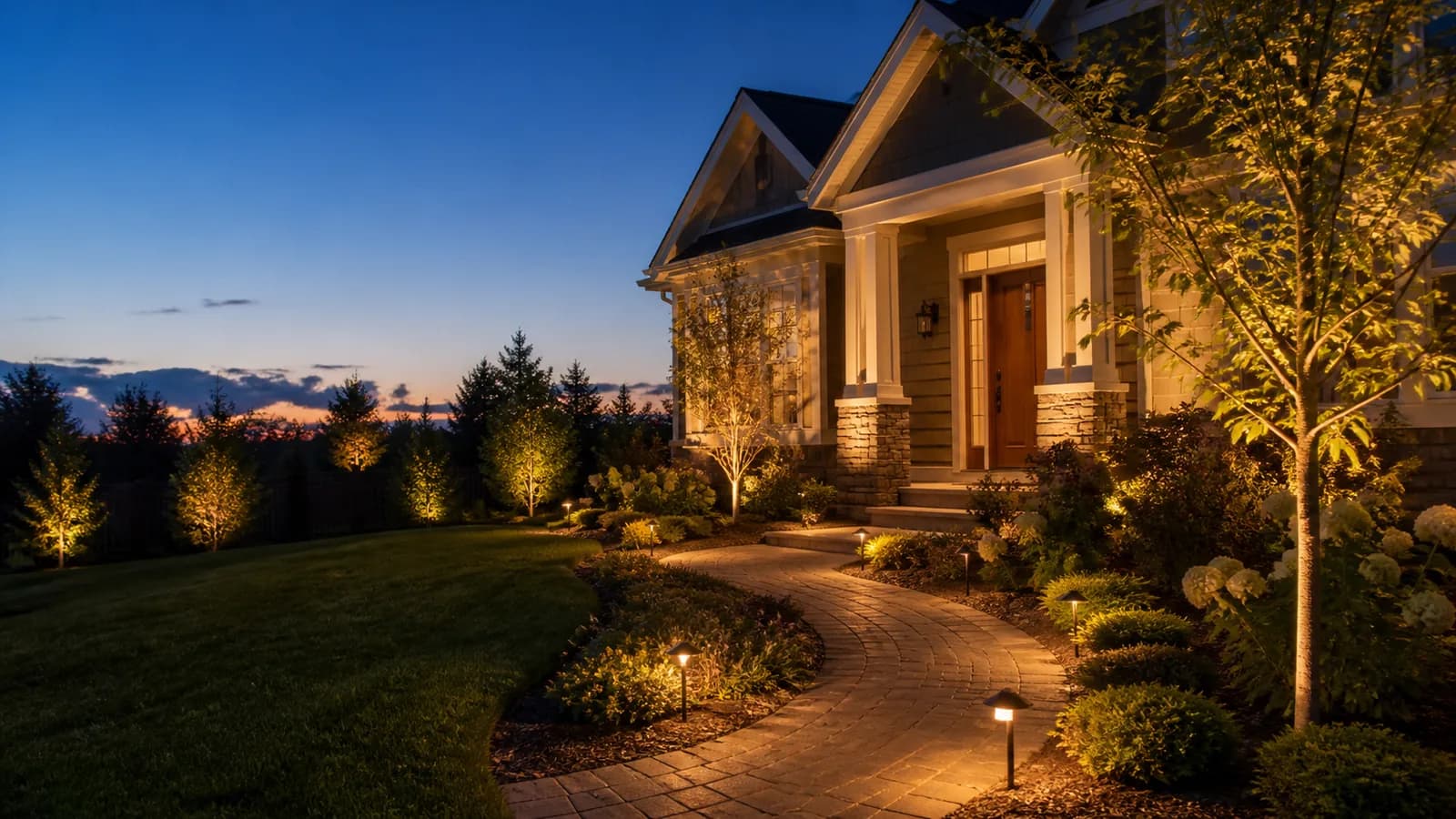
Landscape Lighting guide
Landscape Lighting Installation
Landscape lighting starts with a nighttime lighting goal and a site plan. Fixture locations, voltage system, transformer or circuit capacity, cable routes, controls, drainage, landscaping, exterior power, and future maintenance shape the project.
Updated July 26, 2026
Landscape Lighting Installation, explained
The key decision is: What outdoor layout, fixture, control, power, burial, and weather-exposure plan fits the property? A useful installation scope connects the selected equipment and location to wiring, capacity, access, controls, testing, and finish responsibilities.
Start with the affected equipment or area, the visible condition or desired result, and any recent change. The sections below explain the scope choices and quote details that matter for landscape lighting.
When to plan landscape lighting
Define the equipment, location, intended use, existing conditions, and finish expectations before comparing installation proposals.
Needs and situations this service covers
- I want outdoor landscape lighting
- You want to enhance your home’s curb appeal with outdoor lighting.
- You need to increase security around your property at night.
- You are hosting an outdoor event and require additional lighting.
- Your current outdoor lighting system is outdated or malfunctioning.
What can change the scope
- Desire to improve property aesthetics.
- Need to improve nighttime safety and security.
- Installation of new outdoor features like pathways or decks.
- Replacement of aging or inefficient lighting systems.
- Fixture placement, glare, spacing, mounting, cable routes, trip points, landscape work, and nighttime aiming should be coordinated.
- Tree, facade, wall, garden, and feature lighting can add fixture aiming, mounting, beam selection, zones, access, and future adjustment.
What outdoor layout, fixture, control, power, burial, and weather-exposure plan fits the property?
The quote should define the design, system voltage, fixtures, power equipment, wiring routes, controls, trenching, aiming, testing, documentation, and restoration.
Path, step, and entry lighting
Fixture placement, glare, spacing, mounting, cable routes, trip points, landscape work, and nighttime aiming should be coordinated.
Accent and architectural lighting
Tree, facade, wall, garden, and feature lighting can add fixture aiming, mounting, beam selection, zones, access, and future adjustment.
Low-voltage transformer and cabling
Transformer load and location, circuits or receptacles, cable sizing and routes, connectors, zones, controls, expansion, and labeling should be listed.
Line-voltage exterior lighting
Circuit, breaker, protection, boxes, conduit or cable, burial, grounding, supports, permits, and inspection may form a separate scope.
Controls and automation
Photocells, timers, switches, zones, smart controls, schedules, network needs, and manual override should be defined.
Existing system diagnosis
Dim output, intermittent zones, failed fixtures, damaged cable, moisture, transformer trips, and control failures should be traced before replacement.
Useful observations and electrical safety boundaries
Share what you can observe without opening equipment or touching wiring. Energized testing, disassembly, and repair belong to a qualified electrician.
Useful details to note
- Areas and features to light, preferred fixture style, and the desired nighttime effect
- Existing exterior outlets, transformers, controls, fixtures, and panel location when known
- Hardscape, irrigation, drainage, gates, retaining walls, trees, beds, and future landscape work
- Desired zones, schedules, photocells, switches, smart controls, and future expansion
- Observe existing outdoor lighting for dim or flickering lights.
- Check for visible wear or damage to outdoor fixtures.
Leave these steps to an electrician
- Do not dig or drive stakes before utilities and underground systems are addressed
- Do not open transformers, exterior boxes, fixtures, or weatherproof covers to inspect wiring
- Do not reuse damaged cable, connectors, fixtures, or water-filled equipment
- Do not keep using equipment that is hot, sparking, scorched, tripping, or water-damaged
- Always use weatherproof fixtures and covers for outdoor installations.
- Ensure all outdoor circuits are protected by GFCI to prevent electric shock.
Warning signs to mention when requesting help
There is active fire, visible smoke, or a serious electrical injury; You need a new landscape lighting system installed.; Your outdoor lights frequently trip the circuit breaker.; You notice exposed wires or damaged fixtures.; You want to upgrade to smart lighting controls..
How an electrician plans landscape lighting
The exact sequence depends on the selected equipment, existing electrical system, route, access, and findings at the property.
- 1
Define the nighttime goal
Identify circulation, steps, entries, security areas, trees, architecture, gathering spaces, brightness, glare, color, and control preferences.
- 2
Survey the site and power
Review panel and exterior power, transformer locations, cable routes, hardscape, irrigation, drainage, landscaping, gates, and future work.
- 3
Design fixtures and zones
Set fixture types and locations, system voltage, transformer or circuit capacity, zones, controls, cable or conduit, and expansion allowance.
- 4
Define trenching and restoration
Identify utility-locate responsibilities, burial and crossing methods, hardscape work, landscape removal, irrigation coordination, permits, and restoration.
- 5
Install and document
Complete power equipment, wiring, fixtures, controls, mounting, connections, labeling, initial aiming, cleanup, and an as-built route record when included.
- 6
Commission after dark
Verify every zone and control, adjust aim and glare, confirm schedules and sensors, and review maintenance and seasonal adjustment needs.
- 7
Initial Consultation
Discuss your lighting needs and design preferences with a professional.
Get landscape lighting installation help
Call or request availability to connect with electrician help.
What affects landscape lighting cost
The cost of landscape lighting installation varies based on system type, design complexity, and material quality. Treat published ranges as planning references rather than a quote for a particular property.
Type of lighting system (low-voltage vs line-voltage)
Number of fixtures and their placement
Complexity of installation including trenching
Features like smart controls and automation
| Scope | Typical range | What it usually involves |
|---|---|---|
| Basic | $800-$2,400 | Simple low-voltage systems with minimal fixtures. |
| Standard | $2,500-$7,000 | Moderate installations with a mix of fixture types. |
| Premium | $7,250-$21,250 | Complex designs with numerous fixtures and smart controls. |
Cost ranges are estimates developed from standardized project scopes and reviewed pricing inputs. Government labor and regional cost data are used where applicable. See our Pricing Methodology for the exact sources, calculations, and review date. Actual prices vary by property, scope, materials or equipment, location, and provider.
How to compare the written scope and quote
Compare what each proposal includes, what assumptions it makes, and how findings that change the scope will be handled, not only the total price.
- Which fixture models, quantities, locations, finishes, lamps or LEDs, and mounting methods are included?
- Is the system low voltage, line voltage, or mixed, and what transformer or circuit capacity is included?
- Which cable, conduit, connectors, boxes, protection, zones, and controls are included?
- How are routes, crossings, trenching, utility locates, irrigation, roots, drainage, and hardscape handled?
- Who restores soil, mulch, plants, turf, pavement, walls, and other disturbed surfaces?
- Are permits, inspection, smart setup, nighttime aiming, labels, and route documentation included?
- What fixture, transformer, cable, connector, and workmanship warranty applies?
- What site or landscape condition could change the design or price?
Common issues related to landscape lighting
Choose the closest visible symptom for a focused explanation of urgency, useful observations, and the service that may fit.

Landscape Lighting Installation: common questions
What is the difference between low-voltage and line-voltage lighting?
Low-voltage lighting operates at 12 volts and is safer and more energy-efficient, while line-voltage lighting operates at 120 volts and is suitable for larger areas requiring brighter light.
Do I need a permit for landscape lighting installation?
Permit requirements vary by location. It's best to consult with a professional electrician to determine if a permit is needed for your specific project.
Can I control my landscape lights with a smartphone?
Yes, many modern landscape lighting systems offer smart controls that allow you to manage your lighting through a smartphone app.
How do I ensure my outdoor lights are weatherproof?
Ensure all fixtures and connections are rated for outdoor use and have proper weatherproofing, including GFCI protection for exterior circuits.
Sources and editorial review
Service guidance is checked against the government, safety, and consumer sources below. Equipment instructions, site conditions, and the requirements that apply to a specific address can still change the right scope.


Helpful resources
Plan landscape lighting with clearer information
Use these related guides to understand the scope, prepare useful questions, and compare electrical proposals.
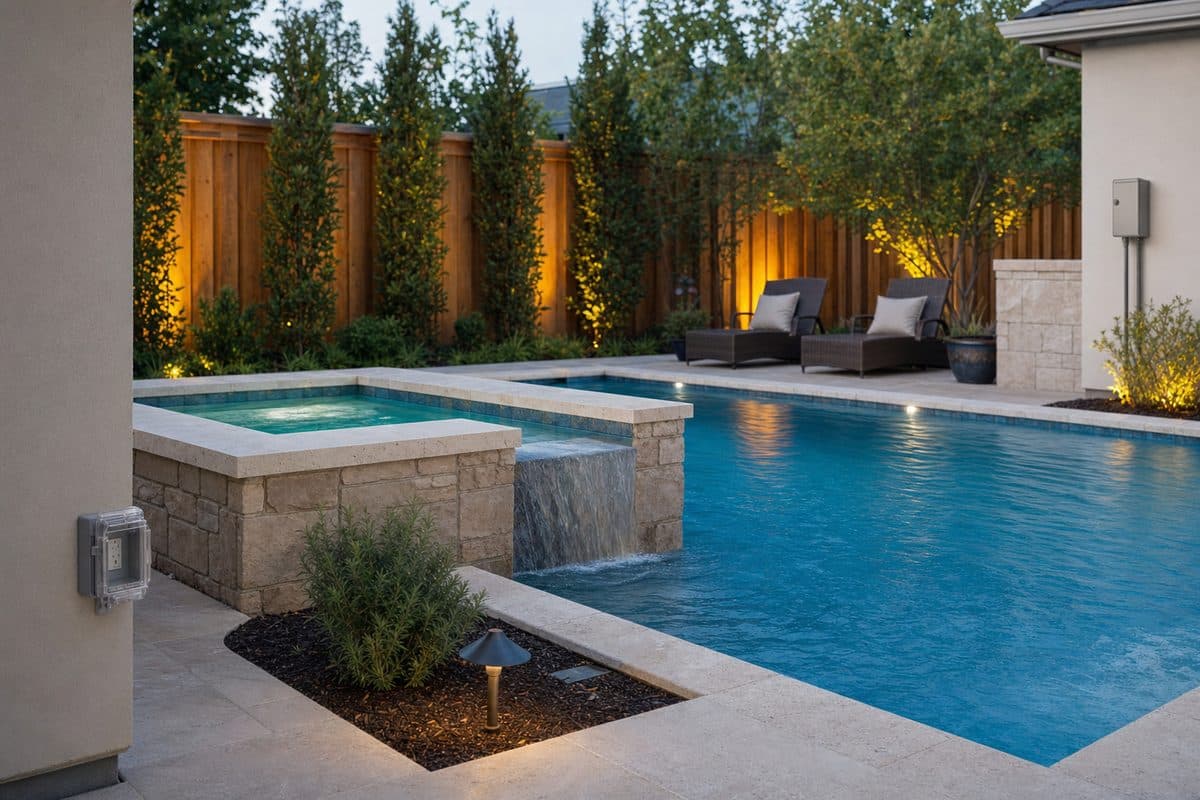
Nationwide coverage
Landscape Lighting Installation by state and city
Select a state or popular city to view landscape lighting guidance and check electrician availability in that area.
Get landscape lighting installation help
Call or request availability to connect with electrician help.
Call (833) 962-0486 to talk through the electrical problem and check electrician availability.