
Dedicated Circuit guide
Dedicated Circuit Installation
A dedicated circuit project starts with the equipment requirements and the condition of the existing electrical system. The appliance or device, circuit rating, wiring route, panel capacity, and connection method should be planned together.
Updated July 26, 2026
Dedicated Circuit Installation, explained
The key decision is: What equipment load, voltage, route, protection, and panel capacity must the new circuit support? A useful installation scope connects the selected equipment and location to wiring, capacity, access, controls, testing, and finish responsibilities.
Start with the affected equipment or area, the visible condition or desired result, and any recent change. The sections below explain the scope choices and quote details that matter for dedicated circuit.
When to plan dedicated circuit
Define the equipment, location, intended use, existing conditions, and finish expectations before comparing installation proposals.
Needs and situations this service covers
- I need a dedicated circuit
- Installing a new EV charger.
- Adding a large appliance like a washer or dryer.
- Upgrading HVAC systems.
- Setting up a home workshop with high-power tools.
What can change the scope
- Adding new high-demand appliances.
- Installing an EV charging station.
- Expanding home electrical capacity.
- Ensuring compliance with electrical safety standards.
- The model, electrical rating, connection type, location, and installation instructions establish the starting requirements.
- Available spaces, service capacity, feeder conditions, grounding, and existing loads may affect whether the circuit can be added as planned.
What equipment load, voltage, route, protection, and panel capacity must the new circuit support?
A complete quote should connect the equipment requirements to the electrical source, route, protection, connection point, testing, and finish responsibilities.
Equipment requirement review
The model, electrical rating, connection type, location, and installation instructions establish the starting requirements.
Panel and capacity assessment
Available spaces, service capacity, feeder conditions, grounding, and existing loads may affect whether the circuit can be added as planned.
Breaker, conductors, and protection
The proposal should define the branch-circuit conductors, breaker, required protection, boxes, fittings, and related panel work.
Receptacle, disconnect, or hardwired connection
The final connection should match the equipment and state whether the electrician or another installer completes the equipment hookup.
Routing and access
Attic, crawlspace, basement, finished-wall, exterior, trench, and detached-building routes carry different access and restoration needs.
Permits, inspection, labeling, and testing
The finished scope should identify required approvals, panel labeling, circuit tests, equipment startup responsibilities, and exclusions.
Useful observations and electrical safety boundaries
Share what you can observe without opening equipment or touching wiring. Energized testing, disassembly, and repair belong to a qualified electrician.
Useful details to note
- Identify areas where new appliances will be installed.
- Note any tripping breakers with current appliances.
- Check for available space near the electrical panel.
- Observe if current circuits are frequently overloaded.
Leave these steps to an electrician
- Never attempt to install or modify circuits yourself.
- Ensure all electrical work complies with local codes.
- Use only qualified electricians for installations.
- Regular inspections can prevent electrical hazards.
Warning signs to mention when requesting help
There is active fire, visible smoke, or a serious electrical injury; Planning to install a high-demand appliance.; Experiencing frequent circuit breaker trips.; Unsure about panel capacity for new devices.; Need guidance on permits and electrical codes..
How an electrician plans dedicated circuit
The exact sequence depends on the selected equipment, existing electrical system, route, access, and findings at the property.
- 1
Confirm the equipment requirements
Review the model, electrical rating, connection method, installation location, and any manufacturer instructions that affect the circuit.
- 2
Inspect the source panel
Check panel condition, breaker space, service and feeder capacity, grounding, and any work needed before the new circuit can be added.
- 3
Choose the route and connection point
Plan the conductor route, boxes, receptacle or disconnect location, access openings, exterior work, and equipment interface.
- 4
Define protection and approvals
Identify breaker and protective-device requirements, permits, inspections, shutdowns, and coordination with other installers.
- 5
Install the agreed scope
Complete the circuit, connection point, labeling, supports, penetrations, and restoration responsibilities listed in the proposal.
- 6
Test and document
Verify the circuit and connection, update panel labels, and record any equipment startup or follow-up work outside the electrical scope.
- 7
Assessment of Electrical Needs
An electrician evaluates your current electrical system and the requirements of the new appliance or device.
Get dedicated circuit installation help
Call or request availability to connect with electrician help.
What affects dedicated circuit cost
The cost of installing a dedicated circuit varies based on several factors, including the complexity of the installation and panel upgrades. Treat published ranges as planning references rather than a quote for a particular property.
Panel capacity and need for upgrades.
Distance from the panel to the appliance.
Local permit and inspection fees.
Complexity of the installation.
| Scope | Typical range | What it usually involves |
|---|---|---|
| Basic Installation | $325-$925 | Simple installations with no panel upgrades. |
| Standard Installation | $800-$2,100 | Includes moderate complexity or minor panel adjustments. |
| Complex Installation | $2,700-$8,400 | Involves major panel upgrades or extensive wiring. |
Cost ranges are estimates developed from standardized project scopes and reviewed pricing inputs. Government labor and regional cost data are used where applicable. See our Pricing Methodology for the exact sources, calculations, and review date. Actual prices vary by property, scope, materials or equipment, location, and provider.
How to compare the written scope and quote
Compare what each proposal includes, what assumptions it makes, and how findings that change the scope will be handled, not only the total price.
- Which equipment model, electrical rating, and connection method is the quote based on?
- What panel-space and capacity review is included?
- Which breaker, conductors, protection, boxes, fittings, and connection equipment are included?
- What route will the circuit use, and how much access or exterior work is expected?
- Who handles equipment hookup, startup, networking, plumbing, ventilation, or other non-electrical work?
- Are wall openings, trenching, patching, painting, cleanup, and disposal included?
- Are permits, inspections, shutdowns, and panel labeling included?
- What site conditions could change the scope or price?
Common issues related to dedicated circuit
Choose the closest visible symptom for a focused explanation of urgency, useful observations, and the service that may fit.


Dedicated Circuit Installation: common questions
What is a dedicated circuit?
A dedicated circuit is an electrical circuit reserved for a specific appliance or device, ensuring it receives adequate power without sharing with other devices.
Do I need a permit for installing a dedicated circuit?
Permit requirements vary by location and project scope. A qualified electrician can help determine if a permit is necessary.
Can my current electrical panel handle a new dedicated circuit?
An electrician can assess your panel's capacity and determine if it can support additional circuits or if an upgrade is needed.
How long does it take to install a dedicated circuit?
The installation time can vary based on the complexity of the job and panel upgrades but typically takes a few hours to a full day.
Sources and editorial review
Service guidance is checked against the government, safety, and consumer sources below. Equipment instructions, site conditions, and the requirements that apply to a specific address can still change the right scope.


Helpful resources
Plan dedicated circuit with clearer information
Use these related guides to understand the scope, prepare useful questions, and compare electrical proposals.
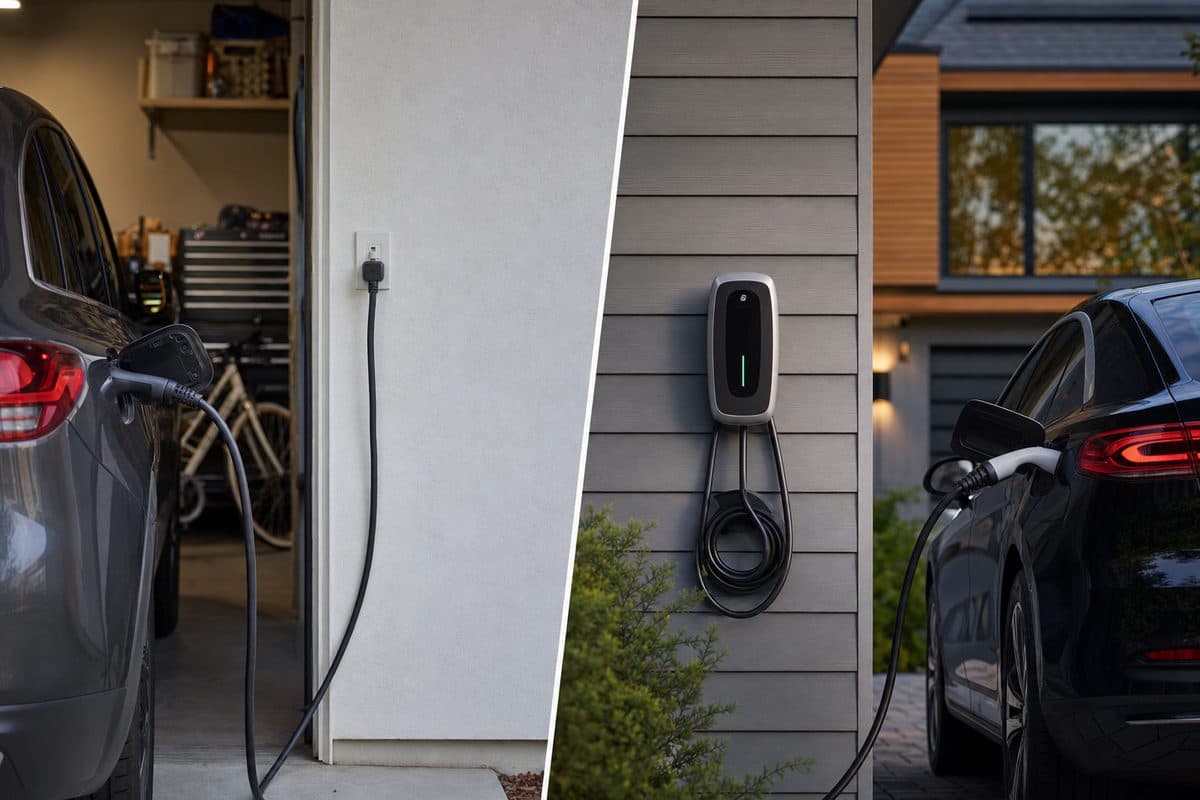
Level 1 vs Level 2 EV Charger: Which Do You Need?
Level 1 and Level 2 home EV charging differ in speed, power source, and installation needs. Here is how to compare fit, electrical capacity, and what to expect when requesting quotes.
Read guide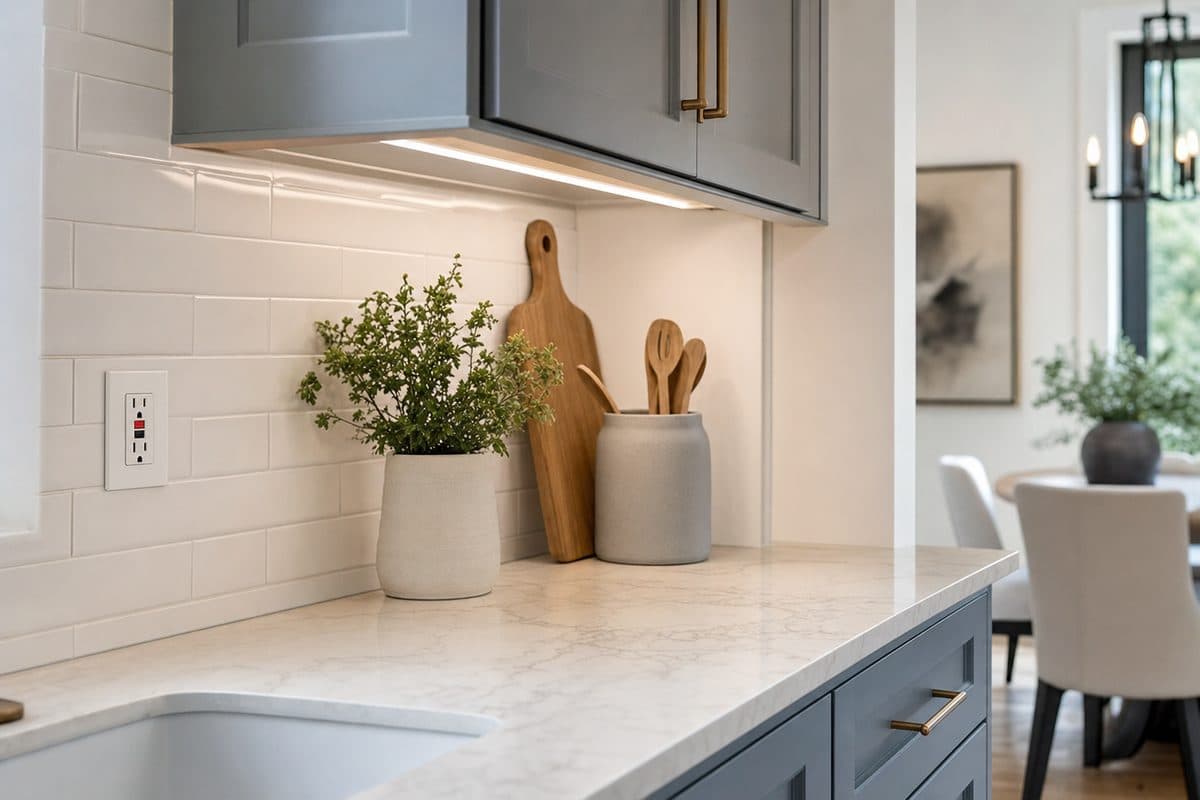
Planning New Outlets, GFCI Protection, and Dedicated Circuits
Thinking about adding outlets or new circuits? This guide helps you compare standard receptacles, GFCI protection, dedicated circuits, and 240-volt outlets so you can discuss the job clearly with a qualified electrician.
Read guide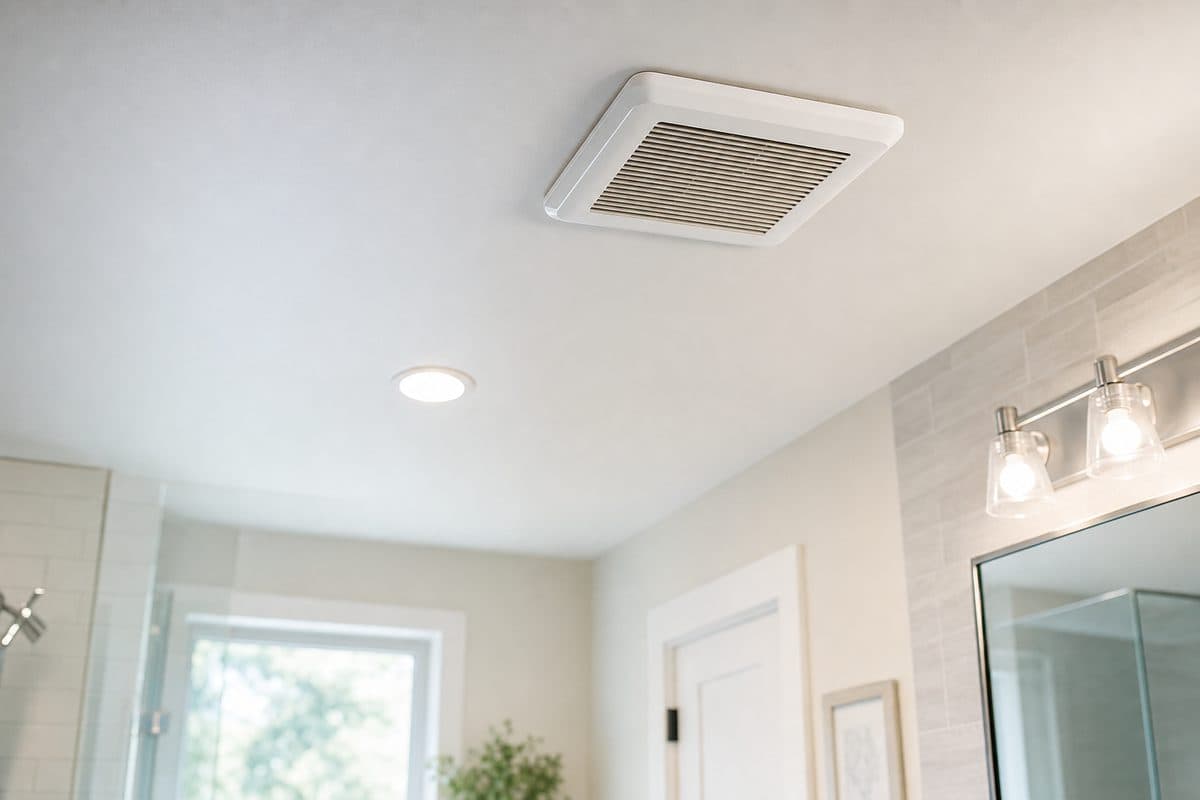
Bathroom Exhaust Fan Installation: What to Plan First
A bathroom fan should do more than make noise, it should remove moisture effectively and exhaust outdoors. This guide covers what to plan before requesting quotes.
Read guide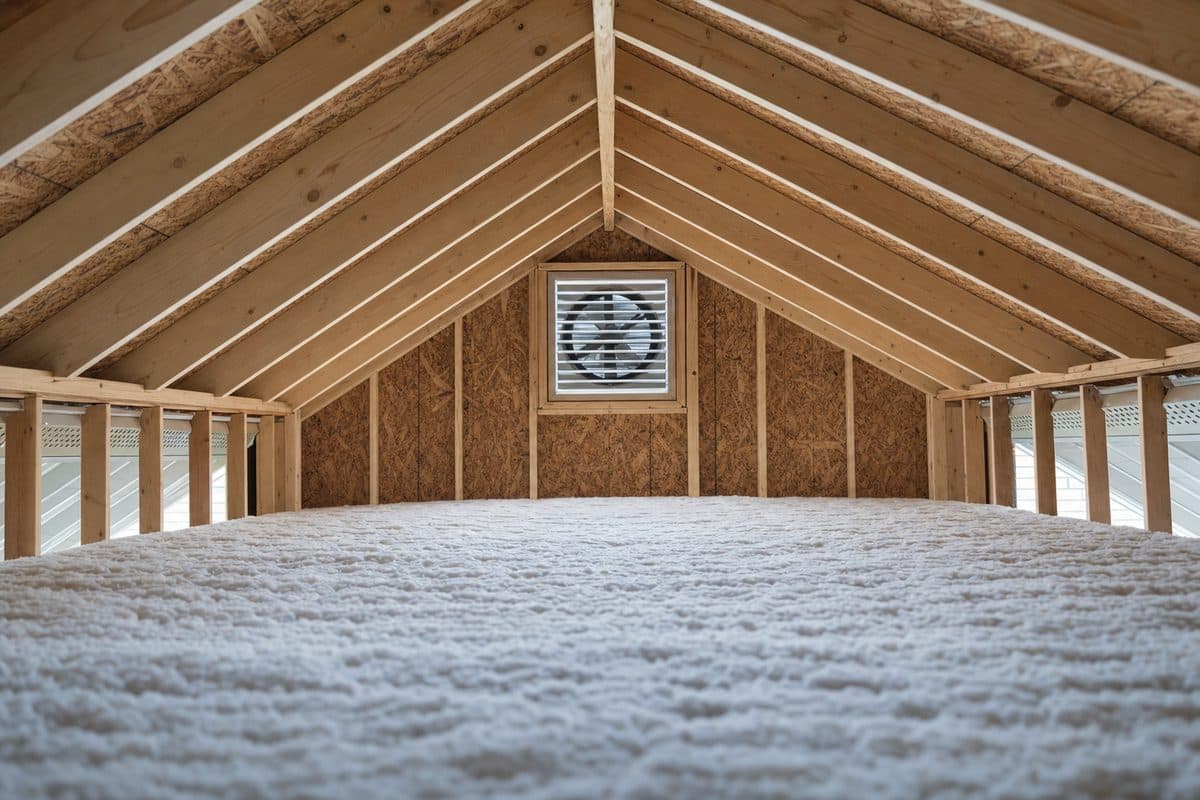
Attic Fan Installation: Electrical and Ventilation Planning
A powered attic ventilator is not the same as a whole-house fan, and the right choice depends on attic ventilation, air sealing, and electrical planning. Use this guide to understand tradeoffs and gather the details a qualified electrician and ventilation professional will want to review.
Read guideNationwide coverage
Dedicated Circuit Installation by state and city
Select a state or popular city to view dedicated circuit guidance and check electrician availability in that area.
Get dedicated circuit installation help
Call or request availability to connect with electrician help.
Call (833) 962-0486 to talk through the electrical problem and check electrician availability.