Updated July 25, 2026Sources reviewed July 31, 20268 min read
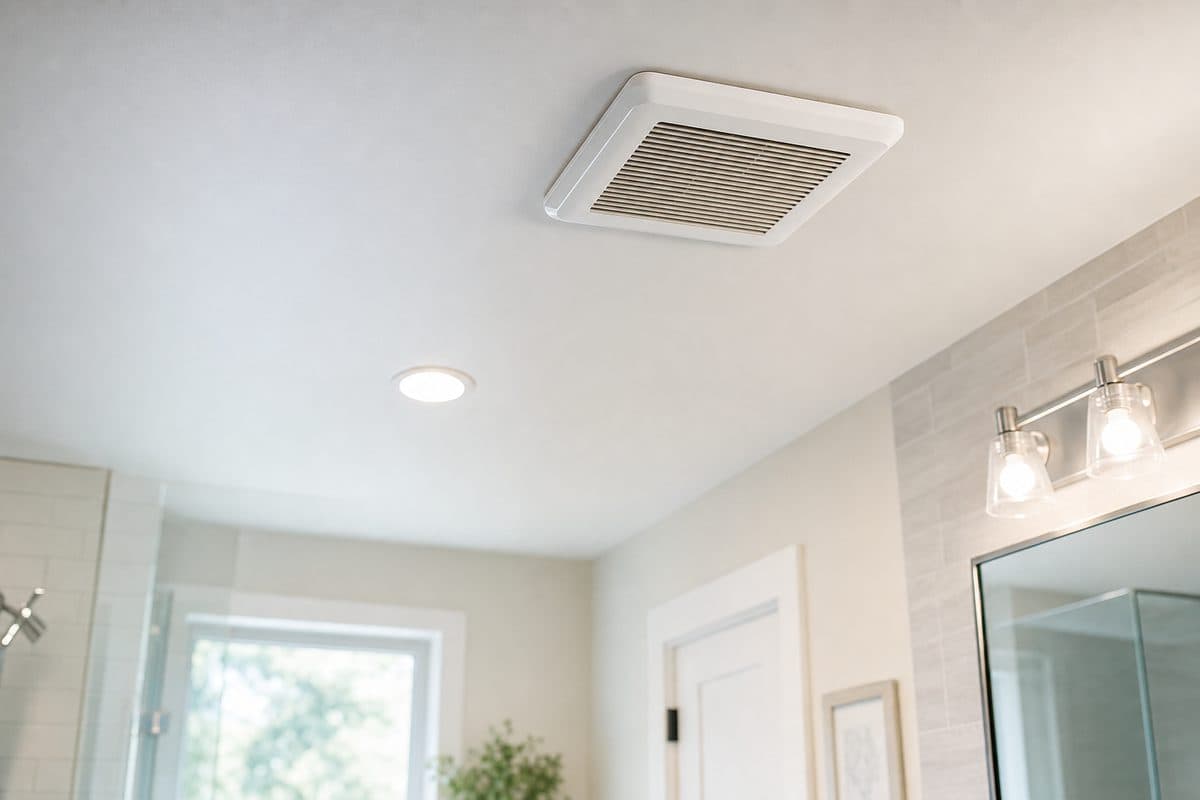
Before requesting bathroom exhaust fan installation, focus on what the fan needs to accomplish: reduce moisture, move enough air, and send that air outdoors. The right plan also considers noise, controls, lighting combinations, wiring, and how an electrician or other qualified trade professional will access the space.
Start with the moisture problem you are trying to solve
Bathrooms create humidity that can linger after showers and baths, especially in rooms with limited natural ventilation. A useful plan starts with your real conditions, such as fogged mirrors, damp walls, musty odors, peeling paint, or moisture that seems slow to clear. These observations help a professional understand whether the goal is a first-time installation, a replacement, or a broader upgrade involving fan controls, lighting, or electrical changes.
- Note when moisture is worst, such as after long showers or when multiple people use the room
- Write down signs like condensation, mildew smell, or repeated paint and trim deterioration
- Identify whether the bathroom already has a fan, a window, both, or neither
A fan that runs is not automatically a fan that ventilates well
One common mistake is assuming the fan is doing its job because you can hear it running. Sound alone does not confirm that the unit is moving sufficient air in real installed conditions. EPA guidance emphasizes that bathroom ventilation should remove moisture, and ENERGY STAR criteria focus on tested airflow and installed performance, which is why selection and installation details matter as much as the switch turning on.
Think through airflow, noise, and control preferences together
Fan planning works best when you balance performance with day-to-day usability. Homeowners often want stronger moisture control but also prefer a quieter bathroom. Controls also affect results, because a good fan is less useful if people avoid turning it on or turn it off too soon. If you are comparing standard fans with fan and light combinations, keep those comfort and convenience preferences in the same conversation.
- Whether you want a fan only, or a fan combined with lighting
- Whether a quieter unit matters for a primary bathroom or powder room
- Whether you want simple wall-switch control or upgraded controls discussed with the installer
- Whether the current lighting layout is adequate if the fan choice changes the ceiling fixture arrangement
Plan the duct route and make sure it exhausts outdoors
The discharge path is a major part of fan performance. EPA guidance is clear that bathroom exhaust should terminate outdoors, not into an attic or another enclosed area. Venting moisture into hidden spaces can shift the problem rather than solve it. When requesting quotes, ask how the planned duct route and exterior termination will support effective airflow and where that termination is expected to be located.
Check existing wiring, switches, and circuit capacity
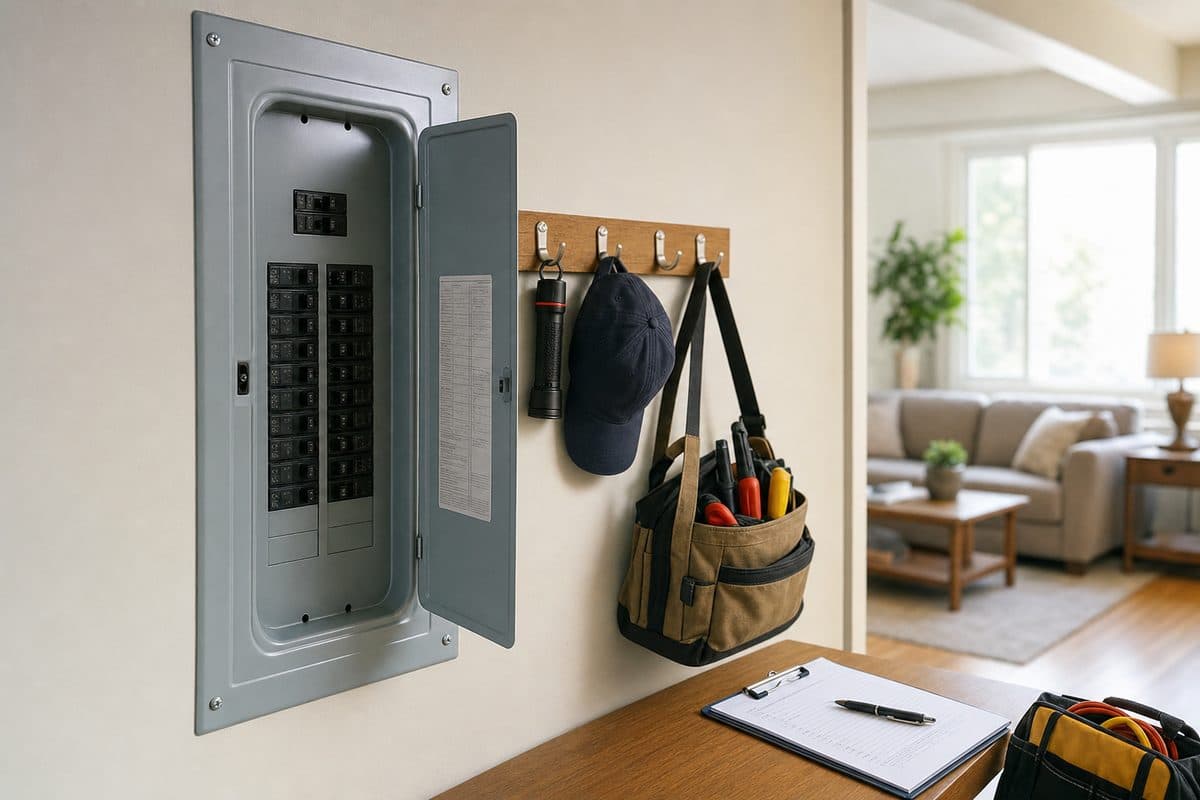
Electrical planning affects both scope and price. A straightforward replacement may be very different from adding a brand-new fan, separating fan and light controls, or supplying a new combination unit with different electrical needs. An electrician can assess the existing wiring, switching arrangement, and whether additional electrical work may be needed. Requirements can vary by city, county, and state, so permit and inspection expectations should be confirmed locally by the provider handling the work.
- Whether there is an existing fan and if it shares a switch with the light
- Whether you want separate control of the fan and light
- Whether the bathroom currently has older wiring or limited switch box space
- Whether the project may involve related lighting installation or other electrical upgrades
Access can change the installation approach
The ease of reaching the ceiling cavity, duct path, roofline or wall termination area, and existing wiring can significantly affect labor and project coordination. Upper-floor bathrooms, finished ceilings, tight attic areas, and limited access around the intended fan location can all complicate the work. Clear photos and a basic description of access conditions can make quotes more accurate and reduce surprises.
What a useful quote should cover
A helpful quote should explain the planned fan scope, not just list a generic installation line item. Look for details about whether the job is a replacement or new installation, whether lighting or switch changes are included, how the duct is expected to route outdoors, what access assumptions were made, and whether permit handling is part of the provider's scope. If pricing is presented as a planning range, remember that final cost can depend on site conditions and provider availability in your area.
- Fan type or project scope, including any light combination components
- Whether switch, wiring, or dedicated electrical work is included
- Planned duct routing and outdoor termination approach
- Access assumptions, such as attic access or ceiling work conditions
- Any exclusions, such as patching, painting, or separate trade work if needed
Once you gather your moisture concerns, current setup, and access details, the next decision is whether you need a simple fan replacement, a new fan location, or a broader electrical and lighting update. ElectricianQuotes can help you request quotes from providers, so you can compare how each one plans for airflow, outdoor exhaust, controls, and installation conditions.
Need help with bathroom exhaust fan installation?
Call ElectricianQuotes or check availability online for help with your electrical project.
Frequently asked questions
Why is exhausting a bathroom fan into the attic a problem?
Because the purpose of the fan is to remove bathroom moisture from the home and discharge it outdoors. Sending that moisture into an attic or enclosed space can leave damp air where it may contribute to ongoing moisture issues instead of solving them.
If my bathroom fan is loud, does that mean it is working well?
Not necessarily. Hearing the motor run does not prove the fan is moving sufficient air under actual installed conditions. Fan selection, duct routing, and termination outdoors all affect real performance.
Can I ask for a fan and light combination in the same project?
Yes. Many homeowners consider a combination unit when updating bathroom ventilation. Ask the quoting provider to explain any related wiring, switch, or lighting changes that may affect scope and price.
What information should I gather before requesting quotes?
Note the bathroom's moisture symptoms, whether a fan already exists, whether the fan and light share a switch, what control preferences you have, and any access details such as attic entry or finished ceilings. Photos of the bathroom, existing fan, switches, and accessible attic or ceiling areas can also help providers evaluate the job.
Sources and review
Technical and safety facts in this guide were checked against the listed sources on July 31, 2026. Cost and timing language is planning context, not a property-specific quote. Local code, permit, inspection, utility, and product requirements should be confirmed for the project address and equipment. Comparisons and next-step recommendations are editorial planning guidance; on-site findings determine the work.