Updated July 25, 2026Sources reviewed July 31, 20268 min read
Planning a home lighting upgrade is mostly about making clear decisions before an electrician evaluates the installation. If you define how each room should look, feel, and function, you will be in a better position to compare fixture options, discuss constraints, and request more useful quotes.
Start with the purpose of each room
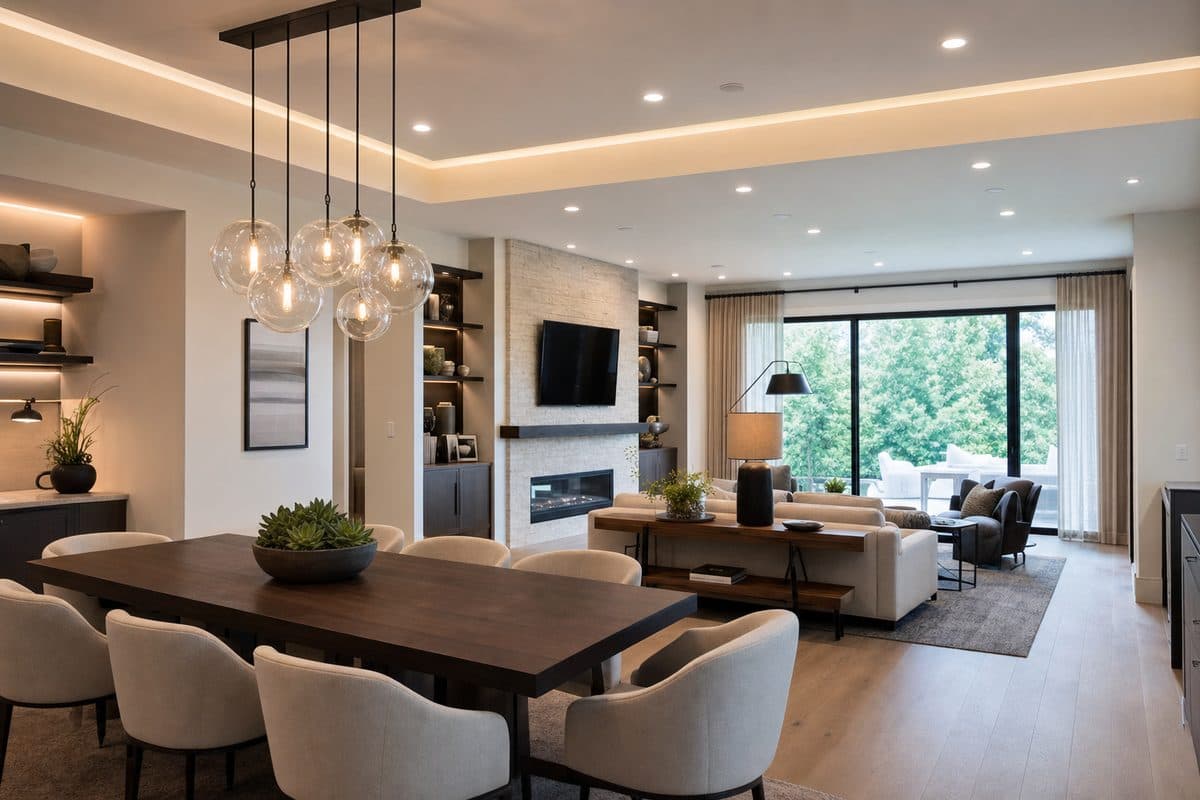
Lighting works best when it matches how you actually use the space. A kitchen, hallway, bedroom, bathroom, and living room usually need different priorities, such as task visibility, softer evening light, decorative impact, or general coverage. Think first about what you want the room to do, then choose fixtures and controls around that goal.
- Kitchen: brighter task lighting over prep areas and comfortable general lighting
- Living room: flexible lighting for daily use, TV time, and entertaining
- Bedroom: softer light, bedside control, and optional dimming
- Bathroom: clear light for grooming, plus fixtures suited to the location
- Hallways and stairs: even illumination and convenient switching
Choose brightness and light appearance
When comparing lamps and fixtures, focus on lumens for brightness rather than just wattage. LED products can provide light efficiently, but the right amount still depends on the room, surface colors, and fixture style. Light appearance also matters, since some spaces feel better with a warmer look while work areas may benefit from a cleaner, crisper appearance.
Match fixture size and style to the space
Fixture scale affects both appearance and performance. A fixture that is too small can look lost and leave the room underlit, while one that is too large may dominate the space or create glare. Before requesting quotes, note ceiling height, room dimensions, furniture placement, and whether you want the fixture to blend in or stand out as a design feature.
- Measure room size and ceiling height
- Note table, island, vanity, and bed locations
- Decide whether you want decorative, task, or low-profile fixtures
- Identify areas where glare or shadows would be a problem
Plan switching, dimming, and other controls
Controls can change how useful a lighting upgrade feels day to day. You may want separate switches for different fixture groups, dimmers for adjustable mood and output, or more convenient control points for entries, stairs, or bedside use. Not every lamp or fixture works the same way with every dimmer, so it helps to identify your preferred products and ask the electrician to confirm compatibility during evaluation.
Think through damp areas, recessed lights, and ceiling fans
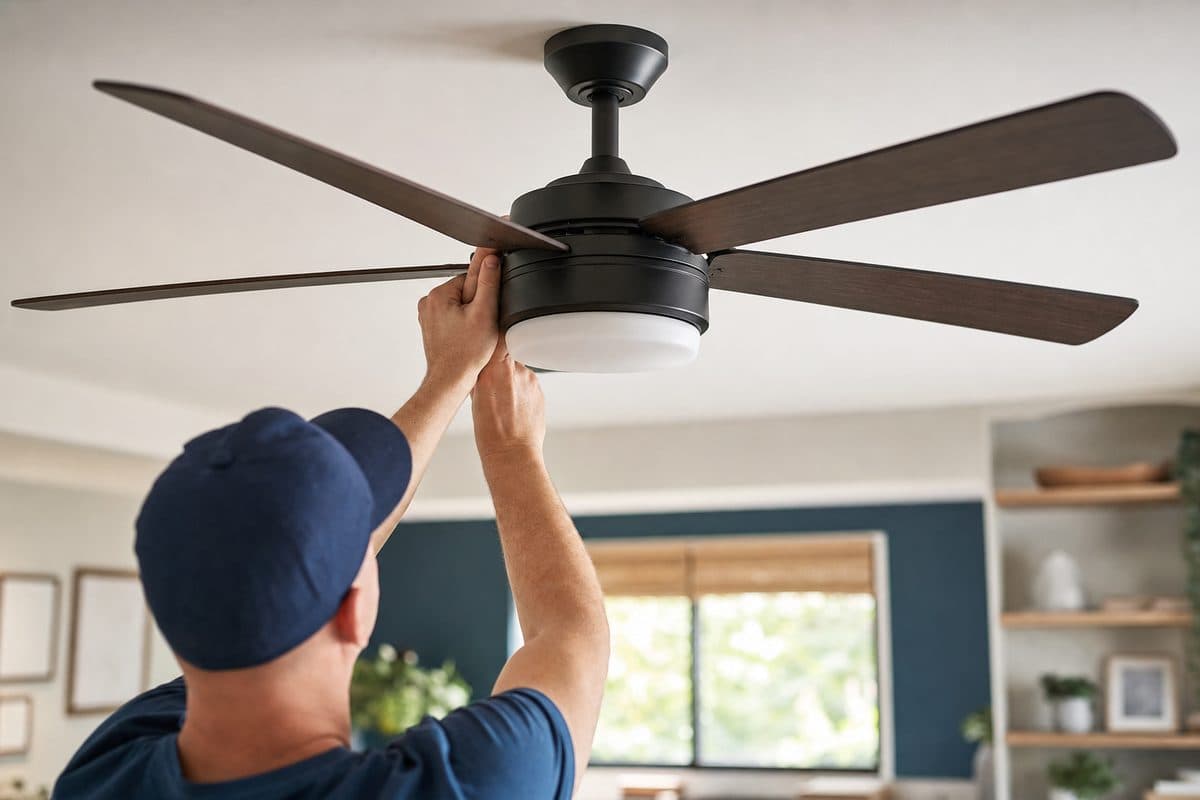
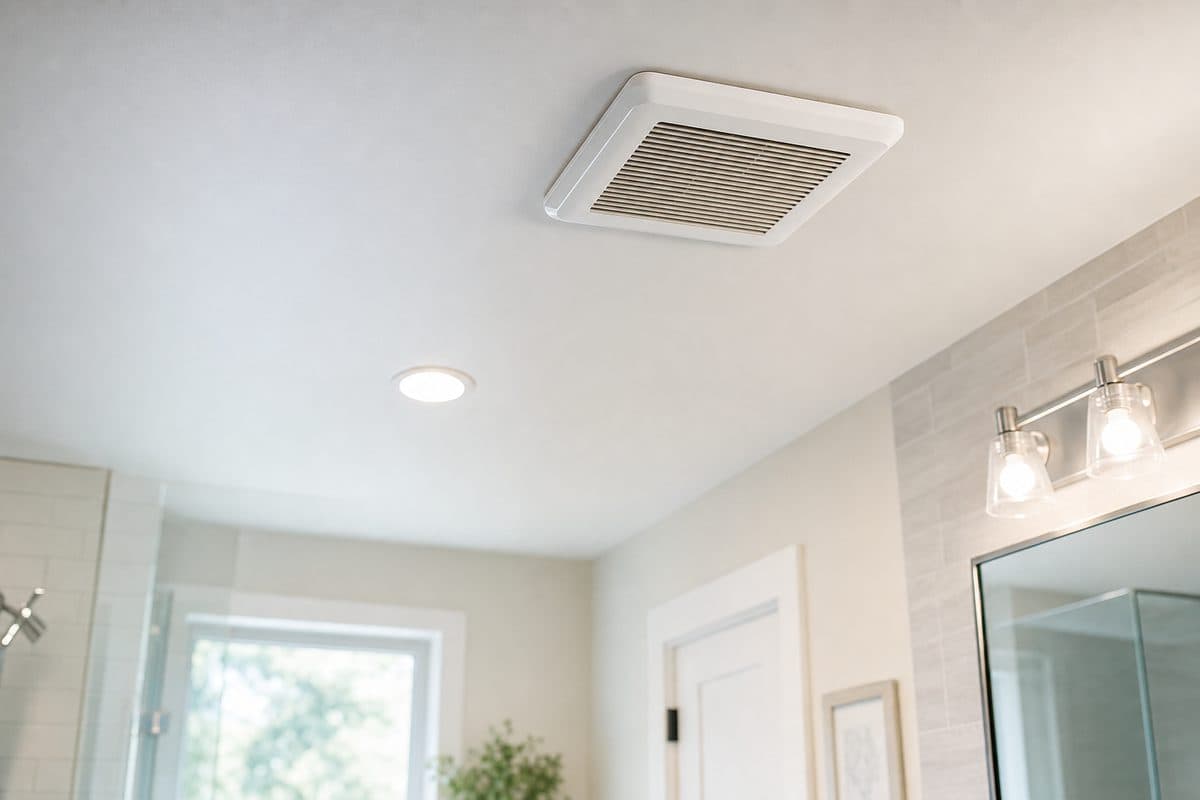
Some locations need extra planning because the fixture type and environment matter. Bathrooms, covered outdoor areas, and other wet or damp locations need products rated for where they will be installed. Recessed lighting should be planned as a layout decision, not just a fixture decision, since spacing, beam spread, and furniture placement affect results. If you are considering a ceiling fan with light, include airflow goals, blade clearance concerns, and whether the existing ceiling box is suitable for that use. A qualified electrician should evaluate support, wiring, and manufacturer requirements before installation.
Gather details about existing wiring and installation limits
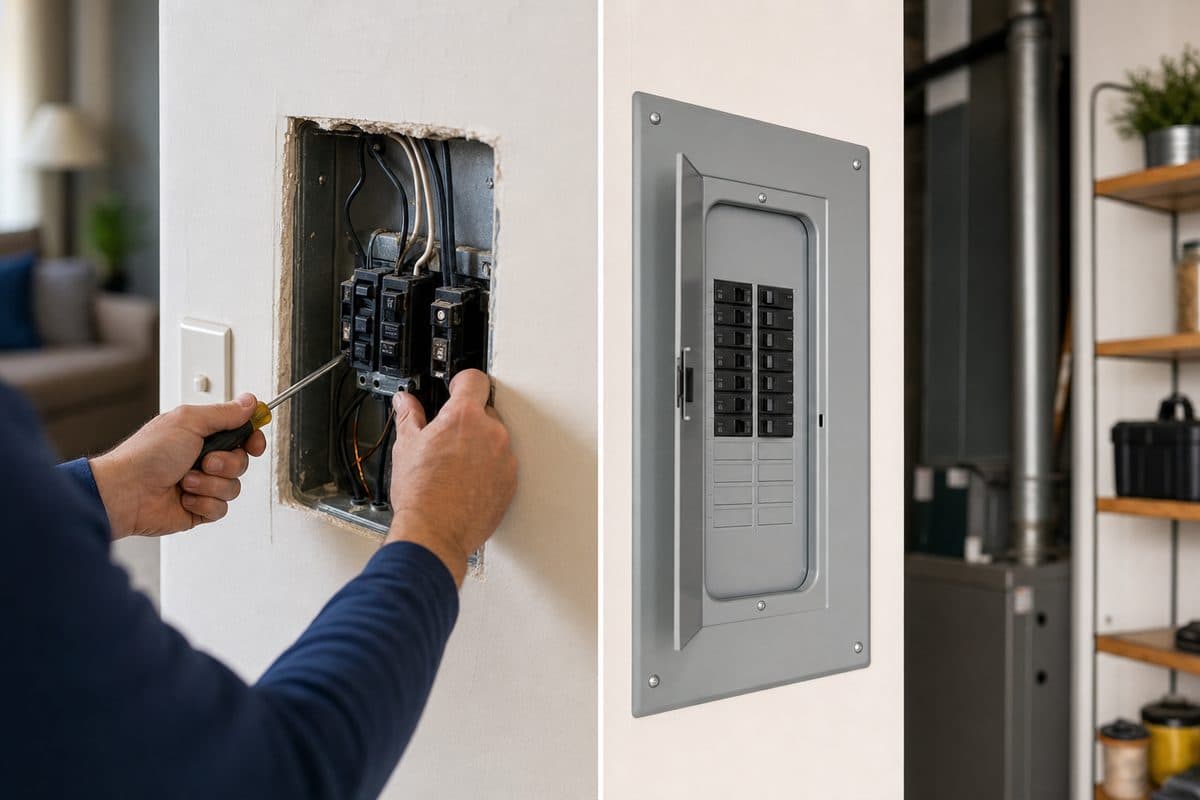
Homeowners can help a project move faster by collecting safe, visible information before an appointment. You do not need to diagnose wiring, but it is useful to note the age of the home, current fixture locations, the number of existing switches, whether lights flicker or hum, and any access limitations such as finished ceilings or limited attic space. These details help a professional judge what may be straightforward and what may need closer review.
- Photos of each room and current fixtures
- A simple sketch showing doors, windows, and major furniture
- Notes on existing switch locations and what each one controls
- Whether there is attic access above or finished space above the ceiling
- Any product links or model numbers you want considered
Ask about permits, approvals, and what belongs in a quote
Requirements can vary by city, county, and state, so permit or inspection needs should be confirmed for your location and scope of work. A useful quote should clearly describe the fixtures or fixture types being installed, any switch or dimmer changes, whether existing boxes and wiring are being reused or further evaluation is needed, and what is excluded. If you are comparing options, ask for alternates, such as standard fixtures versus recessed lights, or basic switching versus dimming and smart controls.
Once you have a room-by-room wish list, product preferences, and photos of the existing setup, the next decision is whether you want one complete upgrade or a phased project. That choice affects quote clarity, scheduling discussions, and how easily you can compare provider recommendations in your area through ElectricianQuotes.
Need help with lighting installation?
Call ElectricianQuotes or check availability online for help with your electrical project.
Frequently asked questions
How do I decide between recessed lights and surface-mounted fixtures?
Start with the look you want and how the room is used. Recessed lights can create a cleaner ceiling appearance and broad general lighting, while surface-mounted fixtures can add style and concentrate light differently. An electrician can evaluate layout, ceiling conditions, and wiring access before installation.
Should I buy fixtures before requesting quotes?
You can, but it is often better to narrow your choices first and share links or model numbers. That gives the electrician enough information to review size, controls, ratings, and likely installation needs without locking you into a product too early.
Do all LED lights work with dimmers?
No. Dimmer compatibility can vary by product, so check packaging or manufacturer information and include your dimming goals in the quote request. A qualified electrician can help confirm whether the planned fixtures and controls are a good match.
Will I need a permit for a lighting upgrade?
Maybe. Permit and inspection requirements can vary by city, county, and state, and may depend on the scope of the work. Ask the provider you are considering to explain what approvals may apply in your location.
Sources and review
Technical and safety facts in this guide were checked against the listed sources on July 31, 2026. Local code, permit, inspection, utility, and product requirements should be confirmed for the project address and equipment. Comparisons and next-step recommendations are editorial planning guidance; on-site findings determine the work.