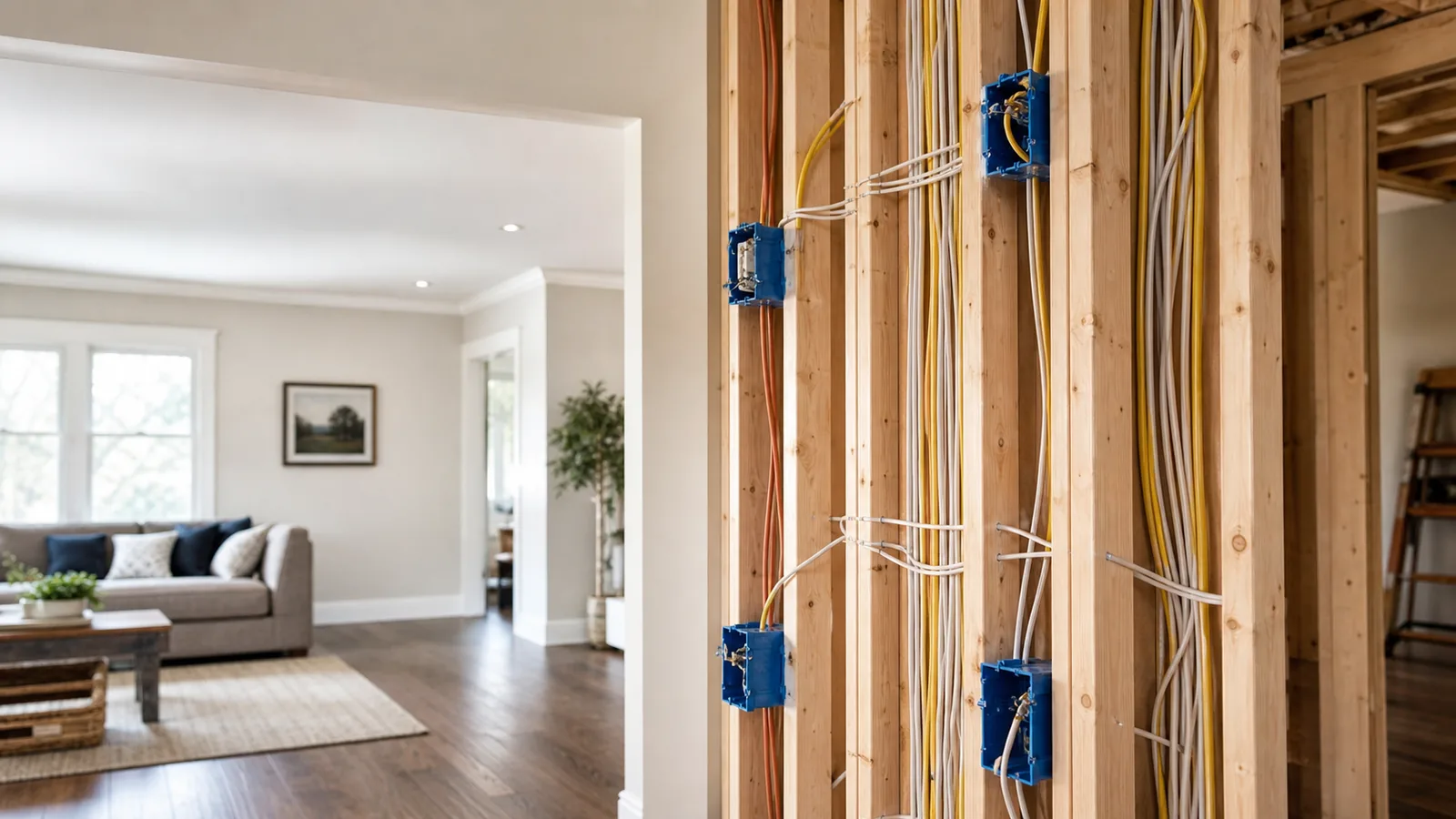
Wiring & Rewiring guide
Wiring and Rewiring
Wiring and rewiring covers both fault-driven repairs and planned circuit replacement. The right scope depends on which circuits are affected, why the work is needed, and how the existing wiring can be accessed.
Updated July 26, 2026
Wiring and Rewiring, explained
The key decision is: Can wiring be repaired selectively, or does condition, material, access, and project scope support broader rewiring? A useful replacement scope separates confirmed conditions from optional improvements and explains why the proposed extent fits.
Start with the affected equipment or area, the visible condition or desired result, and any recent change. The sections below explain the scope choices and quote details that matter for wiring & rewiring.
When to evaluate wiring & rewiring
Confirm what is present, what condition has been documented, and whether targeted work or a broader replacement scope fits.
Needs and situations this service covers
- I have old or unsafe wiring
- Your home is old and may have original or aluminum wiring
- You're remodeling, adding rooms, or adding circuits
- Wiring is damaged, undersized, or showing warning signs
- An inspection flagged wiring concerns
What can change the scope
- Decades-old wiring past its service life
- Older aluminum branch wiring needing special handling
- Damage from pests, moisture, heat, or past work
- Insufficient circuits for modern electrical demand
- Testing can trace intermittent power, repeated trips, voltage problems, and failed connections before a repair path is selected.
- A defined section of conductor, cable, splice, box, or device may be replaced when the fault is limited and accessible.
Can wiring be repaired selectively, or does condition, material, access, and project scope support broader rewiring?
The right scope may be a focused circuit repair, replacement of one wiring run, or a coordinated multi-room project. Diagnosis and access determine how much work is actually needed.
Branch-circuit troubleshooting
Testing can trace intermittent power, repeated trips, voltage problems, and failed connections before a repair path is selected.
Damaged wiring replacement
A defined section of conductor, cable, splice, box, or device may be replaced when the fault is limited and accessible.
Remodel and addition wiring
New layouts may require circuits, outlets, lighting, controls, appliance connections, and coordination with other trades.
Grounding and protection corrections
Inspection findings may involve grounding, bonding, GFCI or AFCI protection, box fill, connections, or device replacement.
Older wiring assessment
Wiring type, visible condition, prior alterations, grounding, loading, and accessibility should be documented before replacement is recommended.
Panel and feeder coordination
A larger rewiring project may also require circuit organization, breaker changes, feeder work, or a separate capacity assessment.
Useful observations and electrical safety boundaries
Share what you can observe without opening equipment or touching wiring. Energized testing, disassembly, and repair belong to a qualified electrician.
Useful details to note
- Note the home's age and any known wiring type
- Watch for warning signs like warm outlets, flicker, or burning smells
- List remodel plans that may need new circuits
- Keep any prior inspection findings handy
Leave these steps to an electrician
- Aluminum branch wiring needs specialized, approved methods, never improvise repairs.
- Do not attempt to splice, repair, or rerun wiring yourself.
- Warm outlets, scorching, or burning smells call for prompt professional attention.
- Permit and code requirements can vary by city, county, and state.
Warning signs to mention when requesting help
There is active fire, visible smoke, or a serious electrical injury; When wiring is old, damaged, or of unknown type; Whenever a remodel or addition needs new circuits; If you suspect aluminum branch wiring; At the first sign of overheating, scorching, or burning smells.
How an electrician evaluates the replacement scope
The exact sequence depends on the symptom, equipment, access, and what testing or planning reveals at the property.
- 1
Define the symptom or project goal
Document what is failing or changing, which rooms and circuits are involved, and whether the work is corrective or part of a renovation.
- 2
Identify the existing wiring
Confirm the accessible wiring type, circuit layout, grounding, panel connections, visible condition, and prior alterations.
- 3
Trace the affected circuits
Use appropriate testing and inspection to determine whether the concern is local, circuit-wide, or part of a broader system condition.
- 4
Plan access and coordination
Define routes through walls, ceilings, attics, crawlspaces, or unfinished areas and identify patching, insulation, cabinet, and trade coordination.
- 5
Set the repair or replacement scope
List the circuits, devices, boxes, protection, panel work, permits, inspections, and finish responsibilities included in the proposal.
- 6
Complete testing and documentation
Verify the finished circuits, label affected panel positions, and document any excluded or deferred conditions.
- 7
Assess the wiring
An electrician evaluates the wiring's age, type, condition, and your needs.
Get wiring and rewiring help
Call or request availability to connect with electrician help.
What affects wiring & rewiring cost
Wiring cost depends heavily on scope, a single damaged run versus rewiring an entire older home are very different projects. Treat published ranges as planning references rather than a quote for a particular property.
Targeted repair vs. partial vs. whole-home rewiring
Home size and number of circuits
Wall and run accessibility
Permits and code-related corrections
| Scope | Typical range | What it usually involves |
|---|---|---|
| Targeted repair / new circuit | $800-$2,800 | A damaged run or added circuit |
| Partial rewire | $3,250-$15,000 | Rewiring part of the home |
| Whole-home rewire | $11,500-$42,500 | Replacing aging wiring throughout |
Cost ranges are estimates developed from standardized project scopes and reviewed pricing inputs. Government labor and regional cost data are used where applicable. See our Pricing Methodology for the exact sources, calculations, and review date. Actual prices vary by property, scope, materials or equipment, location, and provider.
How to compare the written scope and quote
Compare what each proposal includes, what assumptions it makes, and how findings that change the scope will be handled, not only the total price.
- Which rooms, circuits, devices, and wiring runs are included?
- What diagnosis or inspection supports the proposed scope?
- Does the quote cover a focused repair, partial rewiring, or full replacement of the listed circuits?
- Are new boxes, devices, grounding, circuit protection, panel work, and labeling included?
- Who is responsible for wall or ceiling access, patching, painting, insulation, and cleanup?
- Are permits, inspections, and coordination with other trades included?
- What existing conditions could change the price after work begins?
- How will completed circuits be tested, documented, and warranted?
Common issues related to wiring & rewiring
Choose the closest visible symptom for a focused explanation of urgency, useful observations, and the service that may fit.


Wiring and Rewiring: common questions
How do I know if my house needs rewiring?
Warning signs include warm outlets, frequent flicker, burning smells, very old or aluminum wiring, and too few circuits for your needs. An inspection can confirm whether targeted repairs or broader rewiring make sense.
Is aluminum wiring dangerous?
Older aluminum branch wiring can develop connection problems if not handled properly. It requires specialized, approved methods, not DIY fixes. An electrician can evaluate and recommend safe corrections.
Do I have to rewire the whole house at once?
Not necessarily. Depending on condition and budget, work can sometimes be staged, but safety-critical issues should be addressed promptly. An electrician can help prioritize.
How does ElectricianQuotes help with wiring?
We help you understand the likely scope and connect with electrician help for assessment and quotes. Availability may vary by location and provider.
Sources and editorial review
Service guidance is checked against the government, safety, and consumer sources below. Equipment instructions, site conditions, and the requirements that apply to a specific address can still change the right scope.


Helpful resources
Plan wiring & rewiring with clearer information
Use these related guides to understand the scope, prepare useful questions, and compare electrical proposals.

How to Compare Electrician Quotes
The lowest number is not always the best value. A useful electrician quote should clearly describe the work, materials, timing, business details, and any permit or warranty information.
Read guide
Questions to Ask an Electrician Before Hiring
Before approving electrical work, ask clear questions about qualifications, permits, scope, timeline, and what happens if hidden issues are found. A detailed written estimate and contract can help you compare providers and avoid surprises.
Read guide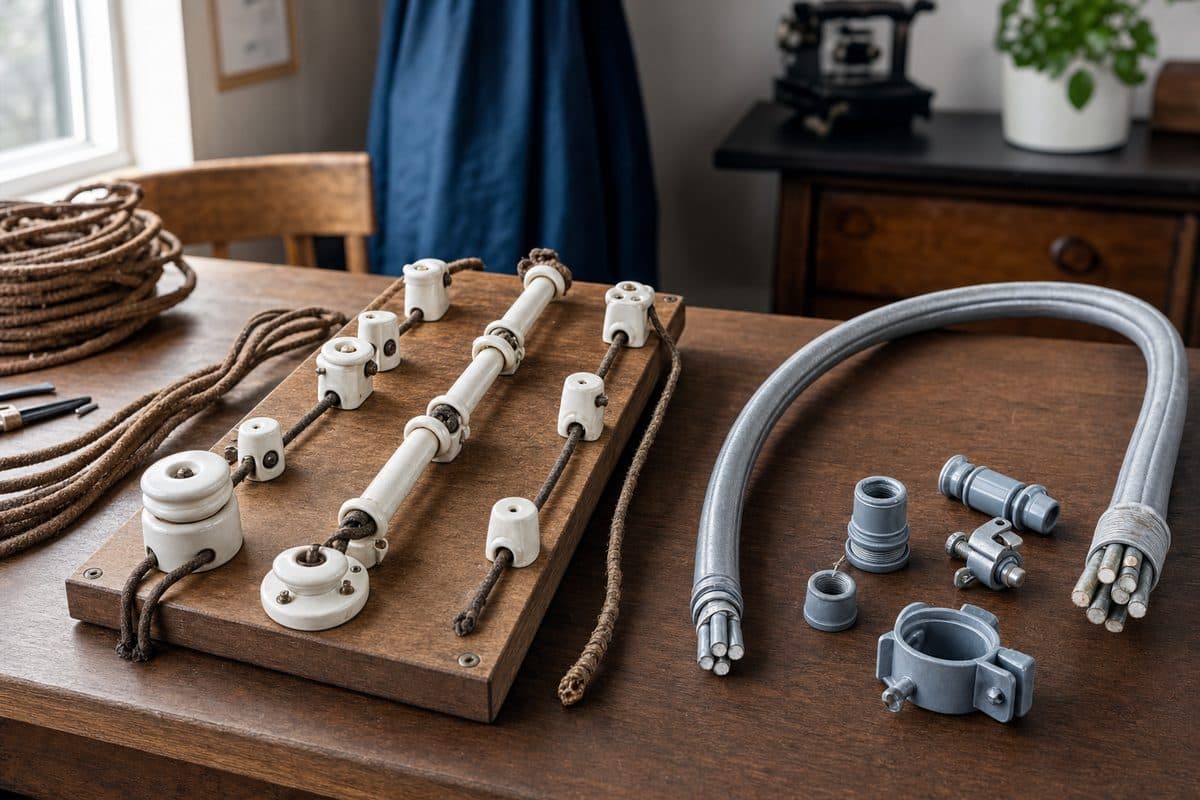
Aluminum Wiring and Knob-and-Tube: What Homeowners Should Know
Aluminum branch-circuit wiring and knob-and-tube are different wiring systems with different risks and upgrade paths. Here is what homeowners should look for, what professionals evaluate, and what to ask for in a written scope.
Read guide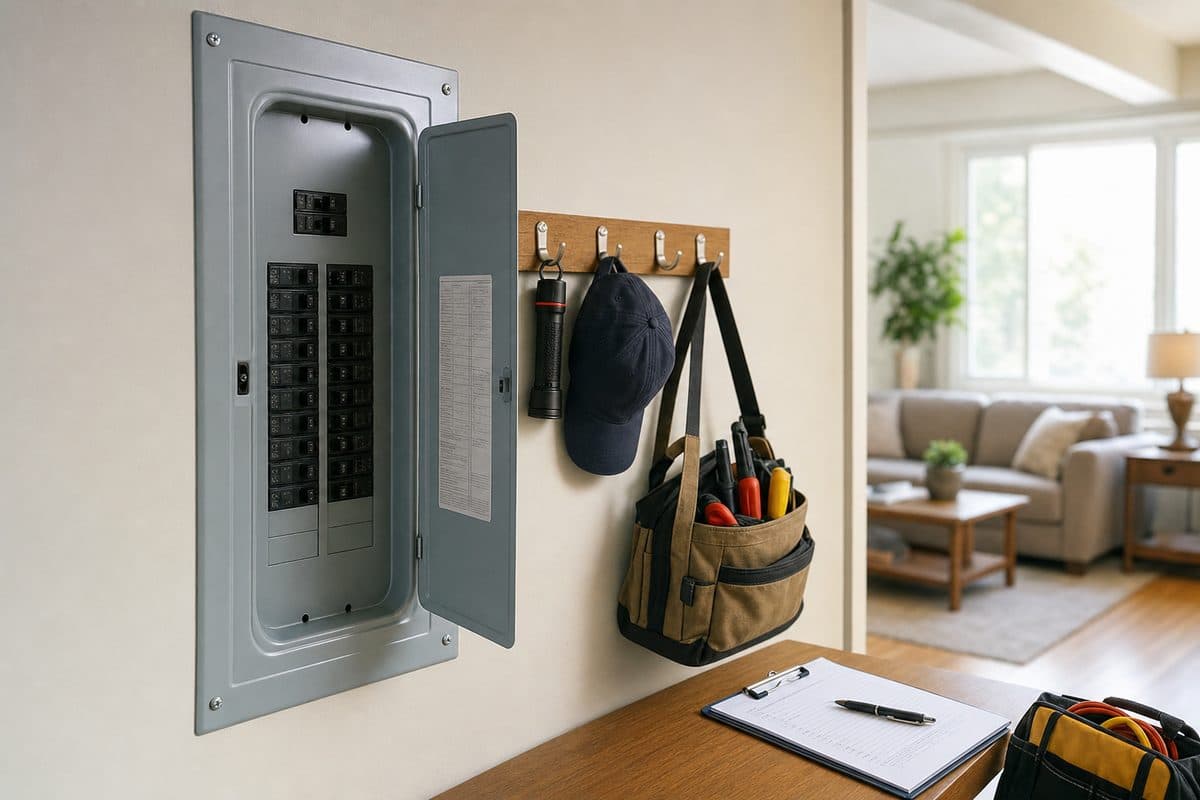
How to Prepare for an Electrical Inspection
Whether for a home sale, renovation, or peace of mind, an electrical inspection goes smoother with a little prep. Here is how to get ready.
Read guide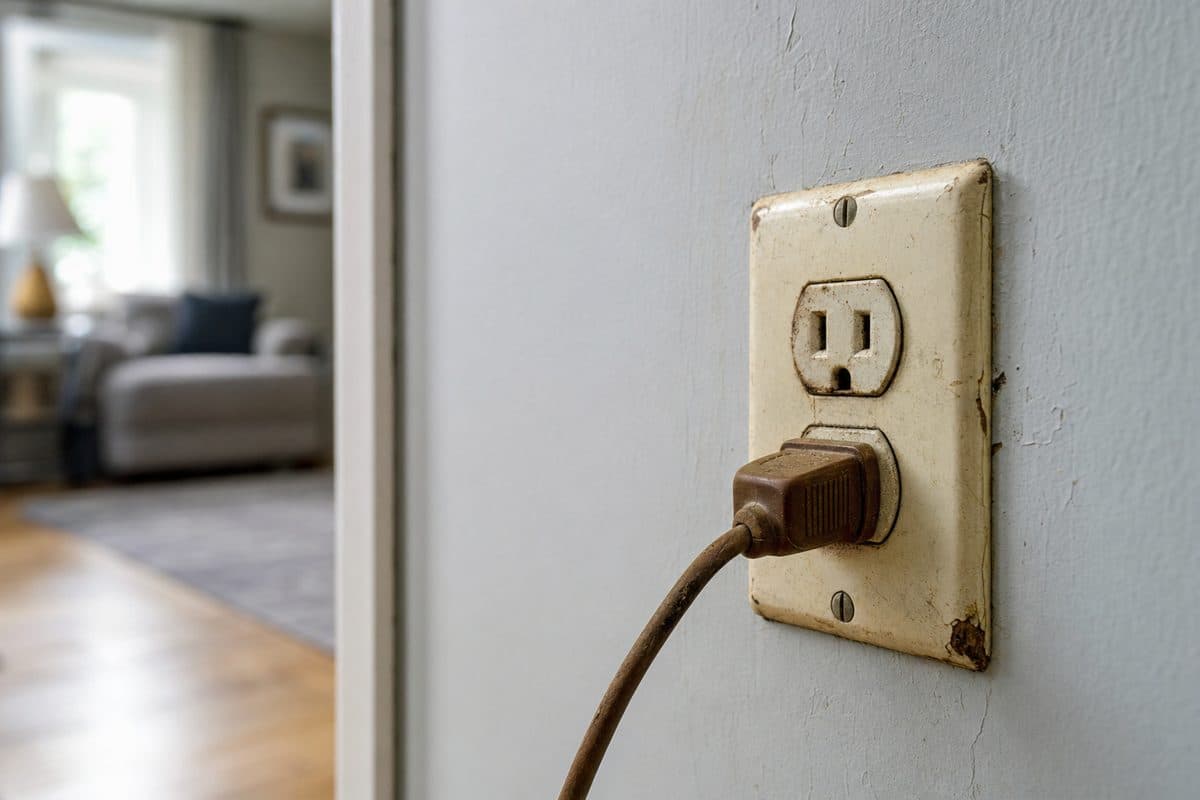
Signs of Old or Unsafe Wiring
Old or unsafe wiring often hides behind walls, but it leaves clues. Here are the warning signs to watch for and what to do if you spot them.
Read guide
Breaker Box Replacement vs. Electrical Panel Upgrade
The terms get used interchangeably, but the scope can differ a lot. Here is what separates a panel replacement from a service upgrade.
Read guideNationwide coverage
Wiring and Rewiring by state and city
Select a state or popular city to view wiring & rewiring guidance and check electrician availability in that area.
Get wiring and rewiring help
Call or request availability to connect with electrician help.
Call (833) 962-0486 to talk through the electrical problem and check electrician availability.