Updated May 6, 2026Sources reviewed July 31, 20265 min read
An electrical inspection gives you a clear, professional picture of your home's electrical system. People schedule one before buying or selling a home, after a renovation, when buying an older property, or simply for peace of mind. A little preparation helps the inspection go smoothly and ensures the inspector can see everything they need to.
What an inspection typically covers
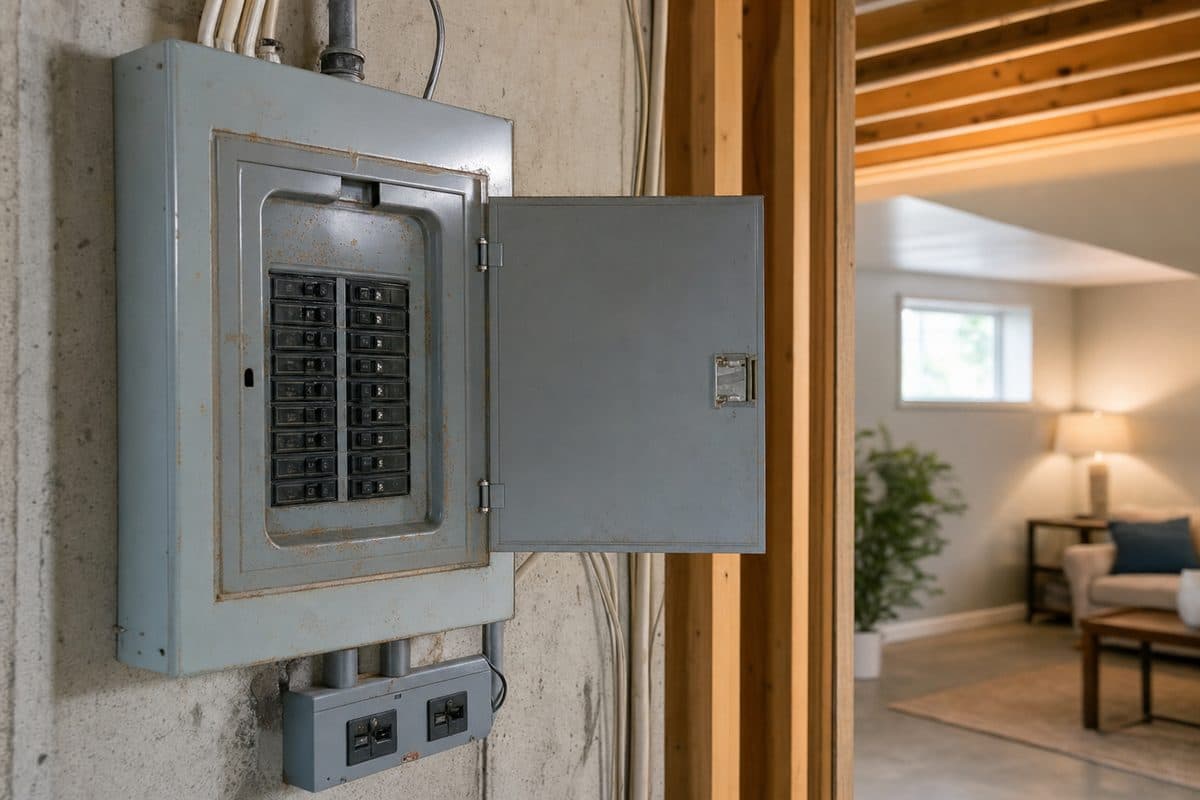
- The electrical panel and its condition, capacity, and labeling.
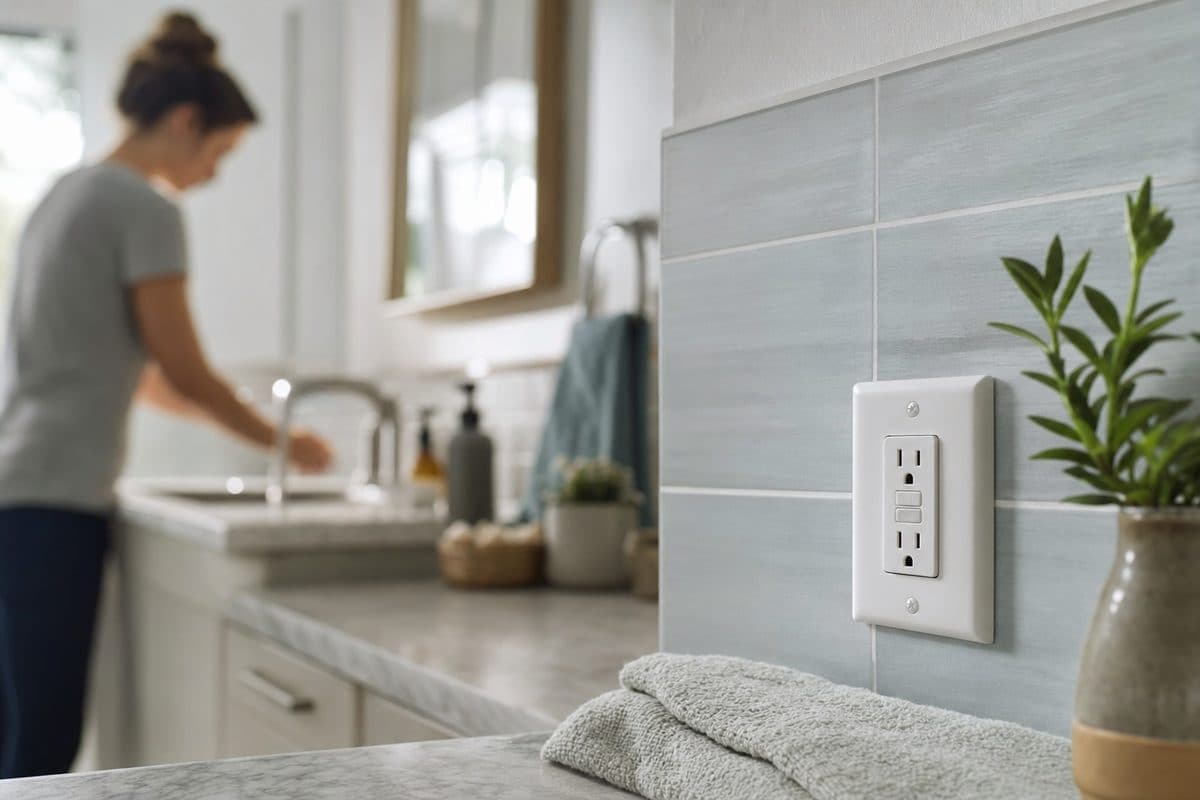
- Outlets and switches, including GFCI protection in required areas.
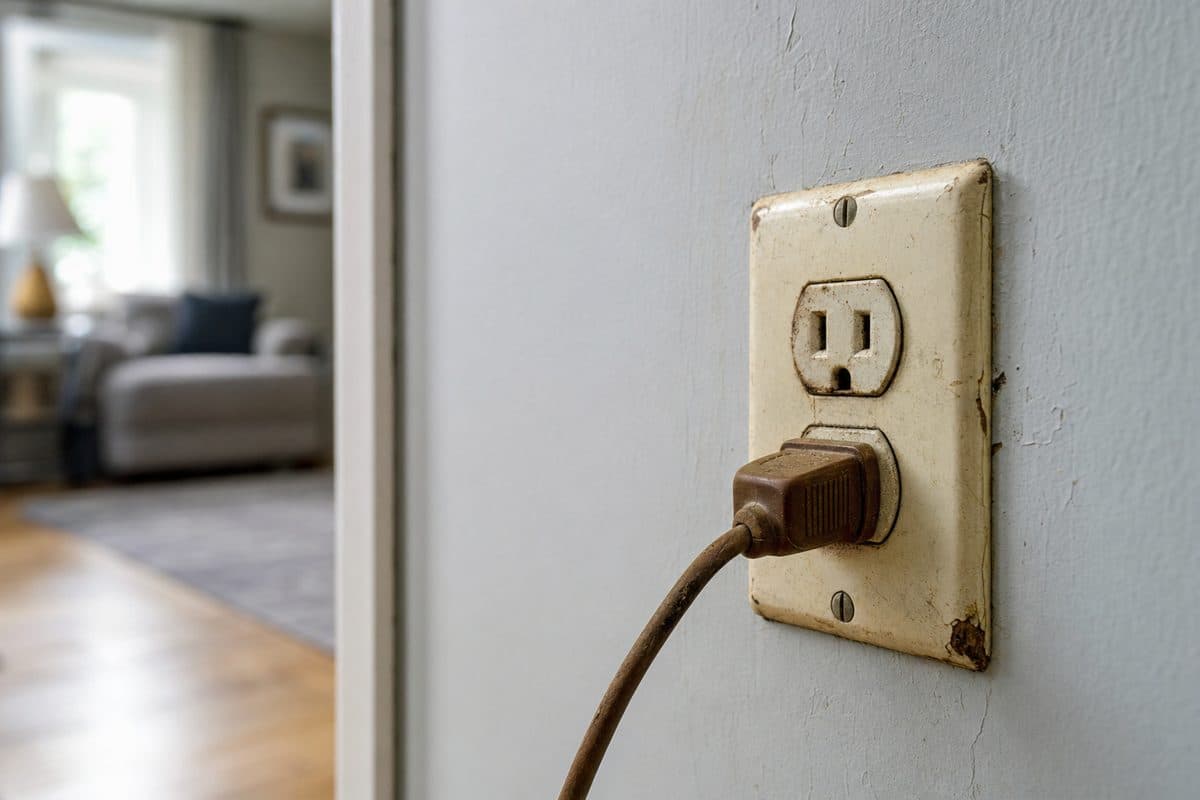
- Visible wiring and signs of damage, age, or improper modifications.
- Grounding and bonding.
- Smoke and carbon monoxide alarms.
- Fixtures and any obvious safety hazards.
Exactly what is reviewed, and which standards apply, can vary by city, county, and state, and by the reason for the inspection. A qualified electrician or inspector will explain the scope for your situation.
Simple steps to prepare
- 1
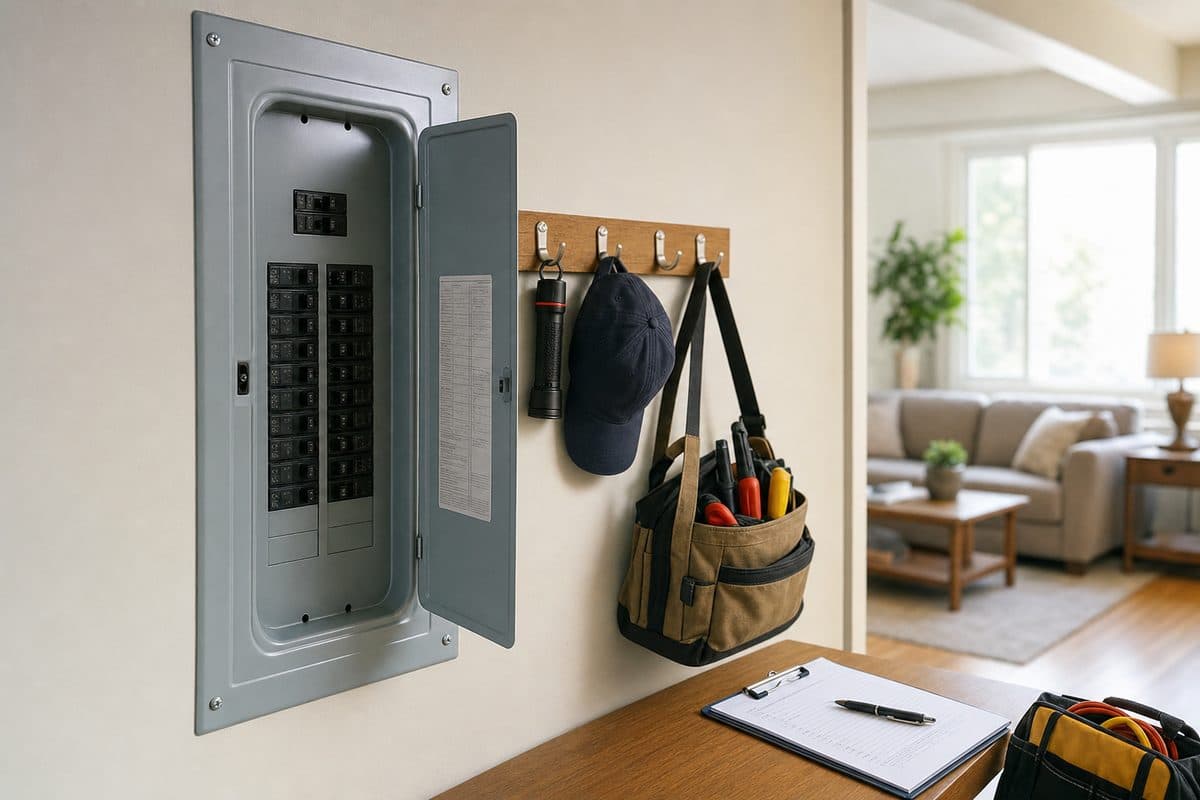
Clear access to the panel
Make sure the area in front of the electrical panel is clear so the inspector can reach it easily. You do not need to open it yourself.
- 2
Provide access to outlets and fixtures
Move furniture or stored items blocking outlets, switches, and key fixtures.
- 3
Test your alarms
Check that smoke and carbon monoxide alarms have working batteries before the visit.
- 4
Gather records
Collect permits, prior inspection reports, or documentation of past electrical work if you have them.
- 5
Make a list of concerns
Note any flickering, warm outlets, or quirks you have noticed so you can mention them.
After the inspection
The inspector provides a report describing the system's condition and any concerns. From there, a qualified electrician can address findings, whether that means a small repair, adding GFCI protection, or planning a larger upgrade.
ElectricianQuotes is a nationwide service that helps you understand inspection findings and connect with electrician help in your area. Availability may vary by location and provider, and a qualified electrician can act on whatever the inspection turns up.
Need help with electrical inspection?
Call ElectricianQuotes or check availability online for help with your electrical project.
Frequently asked questions
Do I need to do anything to the panel before an inspection?
No. Just clear the area in front of it so the inspector has easy access. Do not open the panel or touch any wiring yourself, that should be left to the qualified electrician or inspector.
When should I get an electrical inspection?
Common reasons include buying or selling a home, finishing a renovation, purchasing an older property, or wanting peace of mind. The scope and applicable standards can vary by city, county, and state, so a qualified electrician can advise on your situation.
What happens if the inspection finds problems?
The inspector documents any concerns in a report. A qualified electrician can then address them, which might mean a targeted repair, adding GFCI protection, or planning a larger upgrade depending on what was found.
Sources and review
Technical and safety facts in this guide were checked against the listed sources on July 31, 2026. Local code, permit, inspection, utility, and product requirements should be confirmed for the project address and equipment. Comparisons and next-step recommendations are editorial planning guidance; on-site findings determine the work.