
Electrical Repair guide
Electrical Repair
Electrical repair addresses common faults such as dead or warm outlets, switches that do not work, flickering or buzzing lights, and breakers that trip. ElectricianQuotes helps you describe the problem and connect with an electrician who can diagnose the cause and explain the repair.
Updated July 26, 2026
Electrical Repair, explained
The key decision is: Does the problem call for electrician repair, utility help, or immediate emergency action? A useful repair scope identifies the fault before parts or larger upgrades are recommended.
Start with the affected equipment or area, the visible condition or desired result, and any recent change. The sections below explain the scope choices and quote details that matter for electrical repair.
When electrical repair fits
Start with what is not working, when it happens, and whether the condition affects one device, one circuit, or a larger part of the property.
Needs and situations this service covers
- Something electrical stopped working
- An outlet, switch, or light has stopped working
- Lights flicker, dim, or buzz
- A breaker trips when you use a specific outlet or appliance
- An outlet or switch feels warm, looks scorched, or makes noise
What can change the scope
- Loose or worn connections at outlets, switches, and fixtures
- A tripped GFCI outlet cutting power to others downstream
- Overloaded or shared circuits
- Aging devices and wiring, or damage behind the wall
- Dead, loose, warm, intermittent, or damaged devices may need testing at the device and along the connected circuit.
- Flickering, dimming, buzzing, or nonworking lights can involve the lamp, fixture, switch, connection, or circuit.
Does the problem call for electrician repair, utility help, or immediate emergency action?
Electrical repair is a diagnosis-first service. The visible failure may be the problem, or it may be the first sign of a fault elsewhere on the circuit.
Outlets and switches
Dead, loose, warm, intermittent, or damaged devices may need testing at the device and along the connected circuit.
Lighting faults
Flickering, dimming, buzzing, or nonworking lights can involve the lamp, fixture, switch, connection, or circuit.
Breakers and circuits
A breaker that trips repeatedly needs the connected load and circuit checked before a repair is chosen.
Wiring and connections
Loose, damaged, or aging connections can create intermittent failures that require methodical circuit tracing.
Panels and service equipment
Heat, noise, corrosion, damaged breakers, or capacity concerns at the panel require qualified evaluation.
Storm and water-related damage
Outages, surges, fallen service equipment, and water exposure can affect more than the first failed device.
Useful observations and electrical safety boundaries
Share what you can observe without opening equipment or touching wiring. Energized testing, disassembly, and repair belong to a qualified electrician.
Useful details to note
- Check whether other outlets in the room or home are affected
- Look for a tripped GFCI outlet (with test/reset buttons) and reset once if nothing looks damaged
- Note which appliance or device triggers the issue
- Stop using any outlet or switch that is warm, scorched, or buzzing
Leave these steps to an electrician
- Stop using any outlet, switch, or fixture that is warm, scorched, sparking, or buzzing, and call an electrician.
- Do not repeatedly reset a breaker that keeps tripping because it is signaling a problem.
- Do not attempt to rewire outlets, switches, or fixtures yourself.
- Leave panel and energized wiring work to qualified electricians.
Warning signs to mention when requesting help
There is active fire, visible smoke, or a serious electrical injury; When an outlet, switch, or panel is warm, scorched, or smells of burning; When resetting a breaker or GFCI doesn't solve the problem; When the same circuit fails repeatedly; When you can't safely identify the cause.
How an electrician diagnoses electrical repair
The exact sequence depends on the symptom, equipment, access, and what testing or planning reveals at the property.
- 1
Define the failure
Confirm what is not working, when it happens, and whether the problem affects one device, one circuit, or a larger part of the property.
- 2
Inspect the affected equipment
Check the device, accessible connections, protection devices, and visible signs of heat, damage, corrosion, or water exposure.
- 3
Test the circuit
Use appropriate electrical testing to trace power, grounding, load, and continuity without relying on the visible symptom alone.
- 4
Identify the root cause
Separate a failed device from a loose connection, damaged wiring, overloaded circuit, panel problem, or utility-side issue.
- 5
Explain the repair scope
Describe what should be repaired now, what is optional, and whether access, permits, inspections, or utility coordination apply.
- 6
Repair and verify
Complete the agreed work, restore the affected area, and verify operation under the conditions that produced the problem.
- 7
Identify the symptom
Note what's failing and where, one outlet, one room, or several.
Get electrical repair help
Call or request availability to connect with electrician help.
What affects electrical repair cost
Repair cost depends on what's actually wrong. Replacing a single outlet or switch is a small job; tracing an intermittent fault through older wiring takes more time. Treat published ranges as planning references rather than a quote for a particular property.
Whether the cause is quickly found or needs tracing
Parts replaced (outlets, switches, fixtures, wiring sections)
Age and condition of the existing wiring
Access to the affected circuit and panel
| Scope | Typical range | What it usually involves |
|---|---|---|
| Minor repair | $150-$425 | A single outlet, switch, or simple fix |
| Typical repair | $350-$1,100 | Tracing a fault or fixing several devices on a circuit |
| Larger repair | $1,000-$4,200 | Work involving wiring runs or the panel |
Cost ranges are estimates developed from standardized project scopes and reviewed pricing inputs. Government labor and regional cost data are used where applicable. See our Pricing Methodology for the exact sources, calculations, and review date. Actual prices vary by property, scope, materials or equipment, location, and provider.
How to compare the written scope and quote
Compare what each proposal includes, what assumptions it makes, and how findings that change the scope will be handled, not only the total price.
- What diagnostic work or testing is included?
- What device, circuit, wiring, or panel problem was identified?
- Which labor, materials, and replacement parts are included?
- Does the scope include access, cleanup, and restoration of opened areas?
- Are permits, inspections, or utility coordination required for this repair?
- What conditions would require a change order or a revised quote?
- What workmanship or parts warranty applies?
- When can the work begin, and how long is the affected area expected to be out of service?
Common issues related to electrical repair
Choose the closest visible symptom for a focused explanation of urgency, useful observations, and the service that may fit.


Electrical Repair: common questions
Why did one outlet stop working but the others are fine?
Often a tripped GFCI outlet upstream has cut power to that outlet, or there's a loose connection. If resetting a nearby GFCI doesn't restore power and nothing looks damaged, an electrician can trace the circuit and repair the fault.
Are flickering lights a sign of something serious?
Sometimes. Occasional flicker from a loose bulb is minor, but widespread flickering, dimming when appliances start, or buzzing can point to loose connections, an overloaded circuit, or panel issues worth having checked.
Can I keep using an outlet that feels warm?
No. A warm outlet can indicate a loose or failing connection that poses a fire risk. Stop using it and have an electrician inspect it.
How does ElectricianQuotes help with repairs?
We help you describe the symptom, understand likely next steps, and connect with electrician help that works in your area. Availability may vary by location and provider.
Sources and editorial review
Service guidance is checked against the government, safety, and consumer sources below. Equipment instructions, site conditions, and the requirements that apply to a specific address can still change the right scope.


Helpful resources
Plan electrical repair with clearer information
Use these related guides to understand the scope, prepare useful questions, and compare electrical proposals.
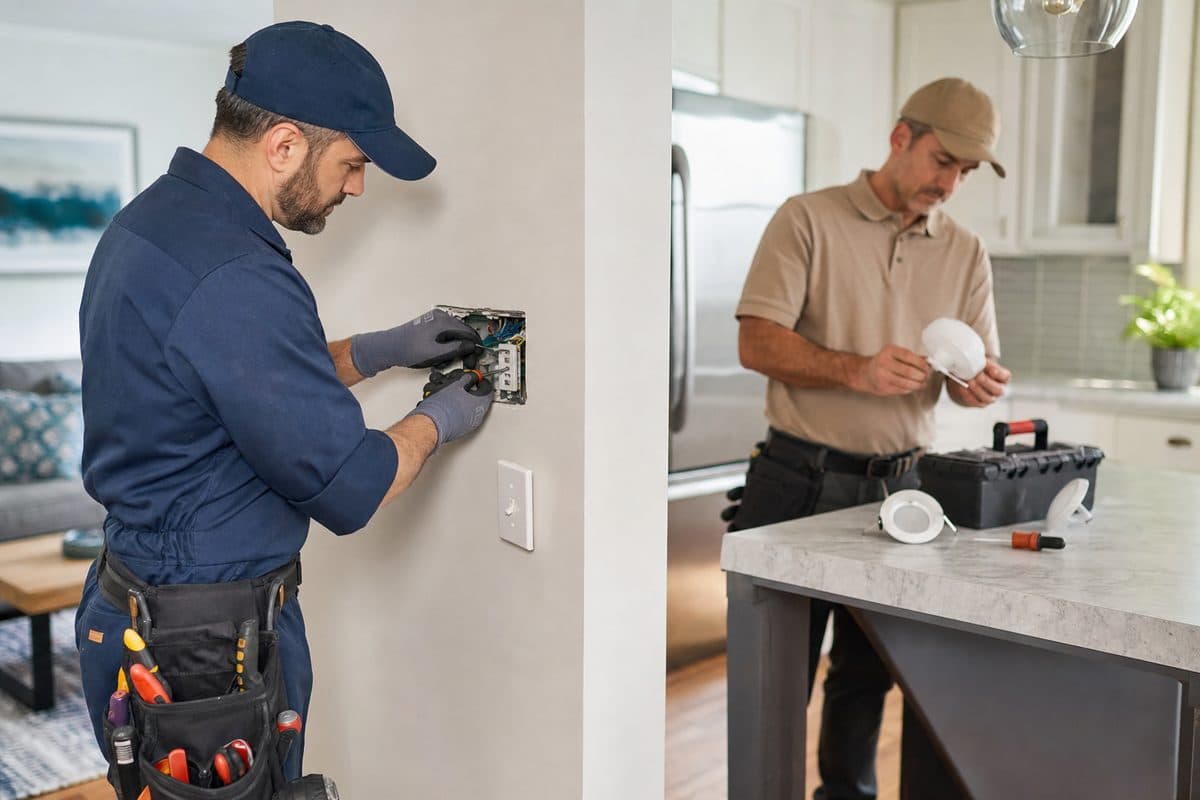
Electrician vs Handyman: Who Should Do Electrical Work?
Not every home task belongs on a handyman list. For electrical work, safety, permits, insurance, and future inspections often make a qualified electrician the better choice.
Read guide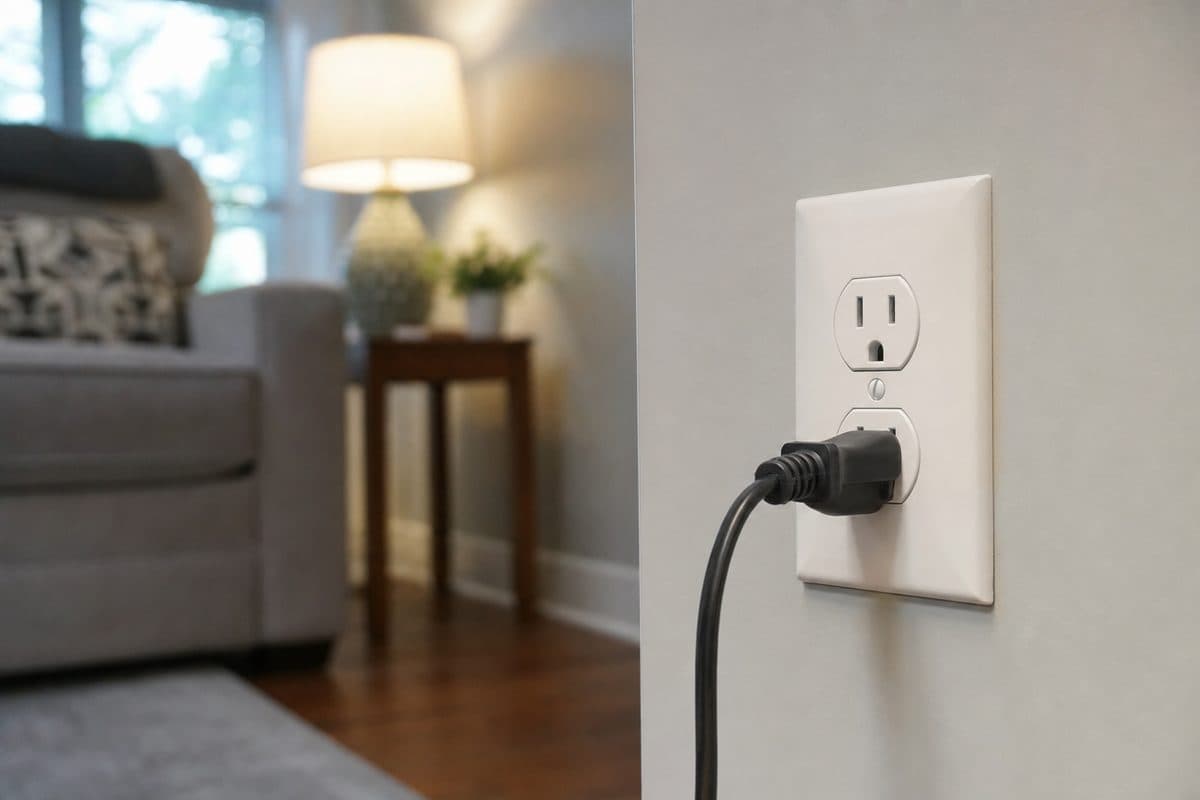
Why Is My Outlet Warm?
A warm outlet can come from heavy use, a failing device, a loose connection, or an overloaded circuit. Knowing which warning signs matter can help you stop using the outlet and request the right kind of electrician help.
Read guide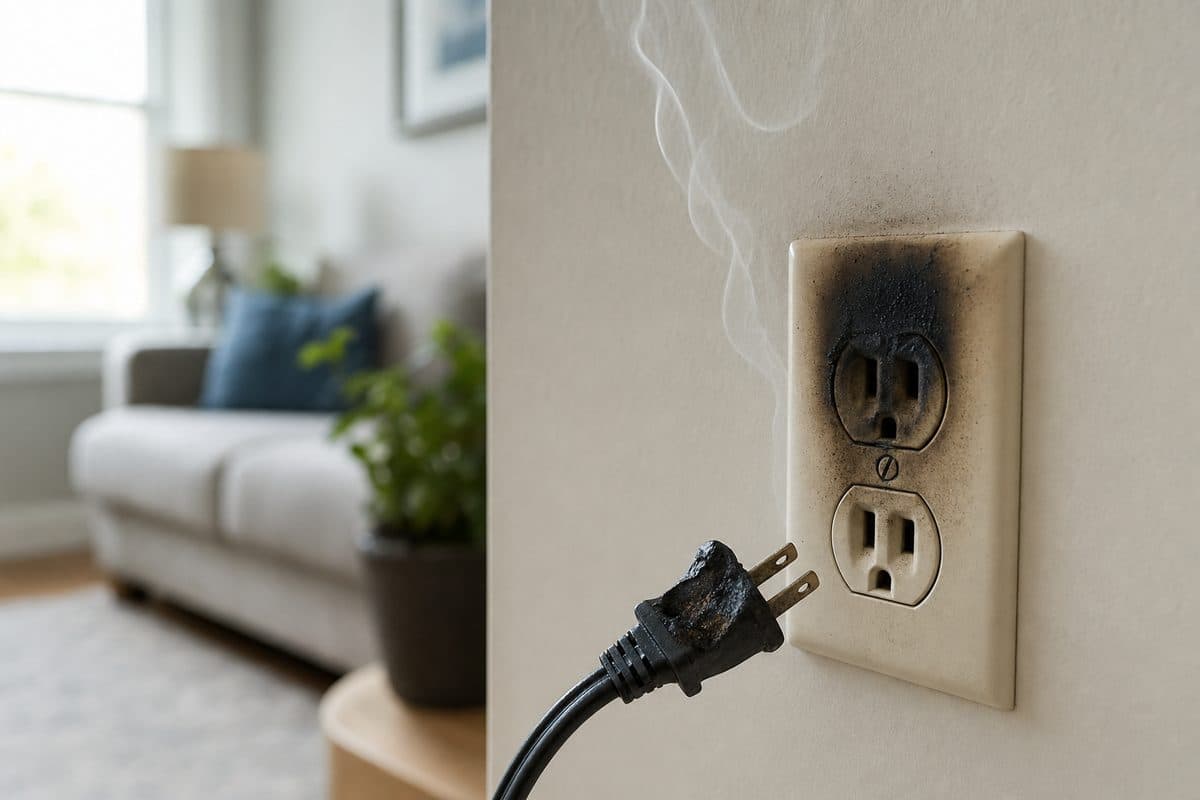
Burning Smell From an Outlet: What to Do
A burning or fishy smell from an outlet can point to overheating or damaged wiring. Stop using the outlet, note what you observed, and request urgent electrician evaluation.
Read guide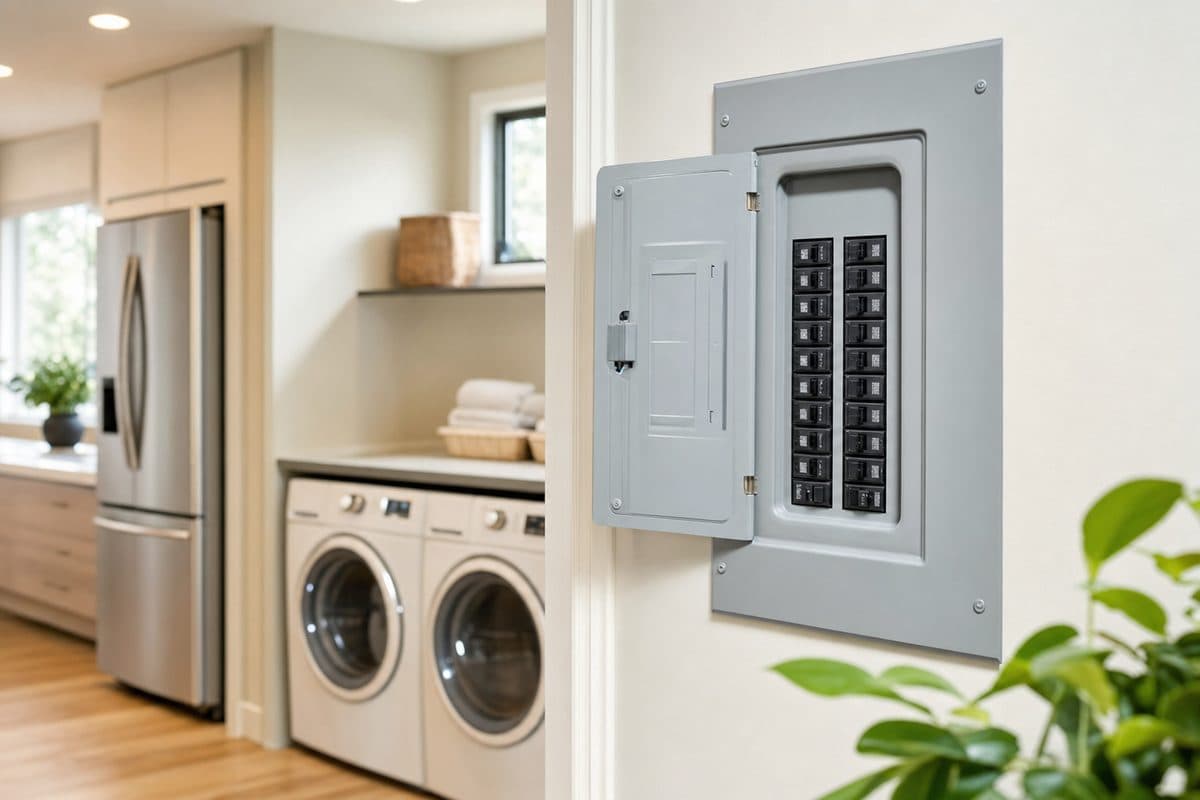
Dedicated Circuits: When Do You Need One?
Some appliances need a circuit all to themselves. Here is what a dedicated circuit is, which devices need one, and the signs you are short on capacity.
Read guide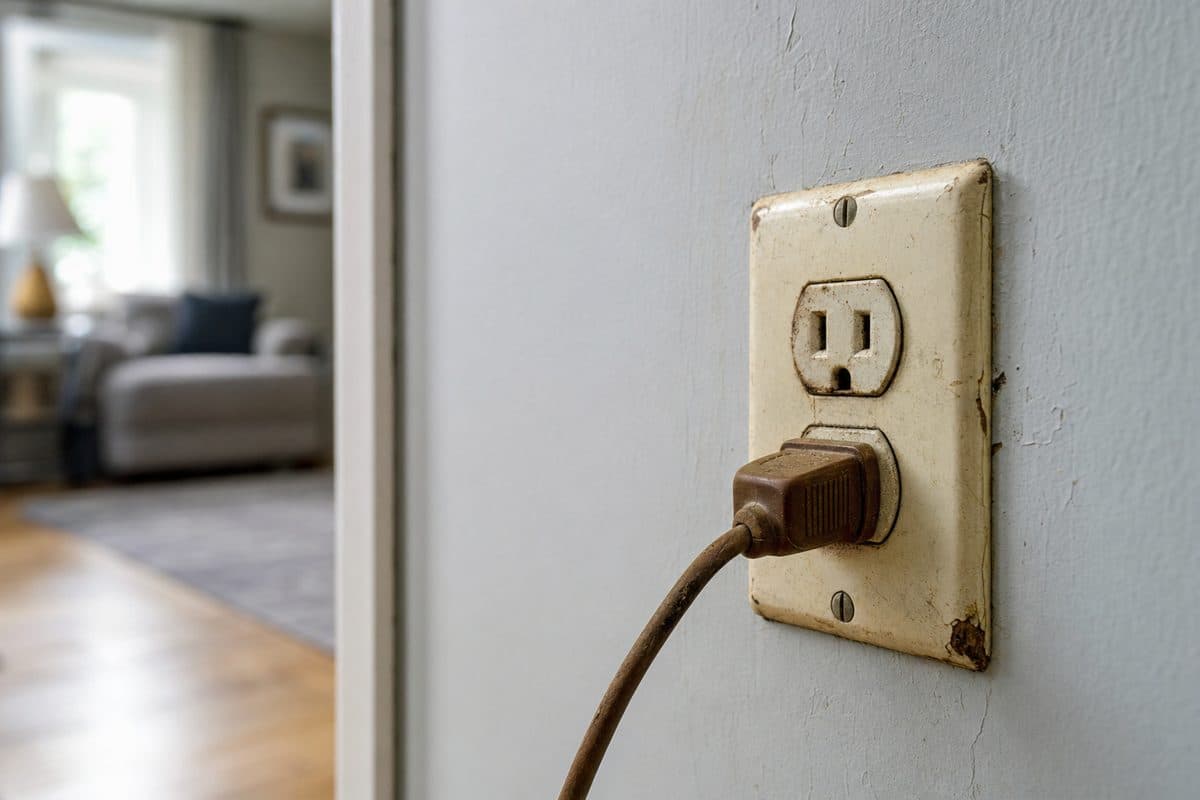
Signs of Old or Unsafe Wiring
Old or unsafe wiring often hides behind walls, but it leaves clues. Here are the warning signs to watch for and what to do if you spot them.
Read guide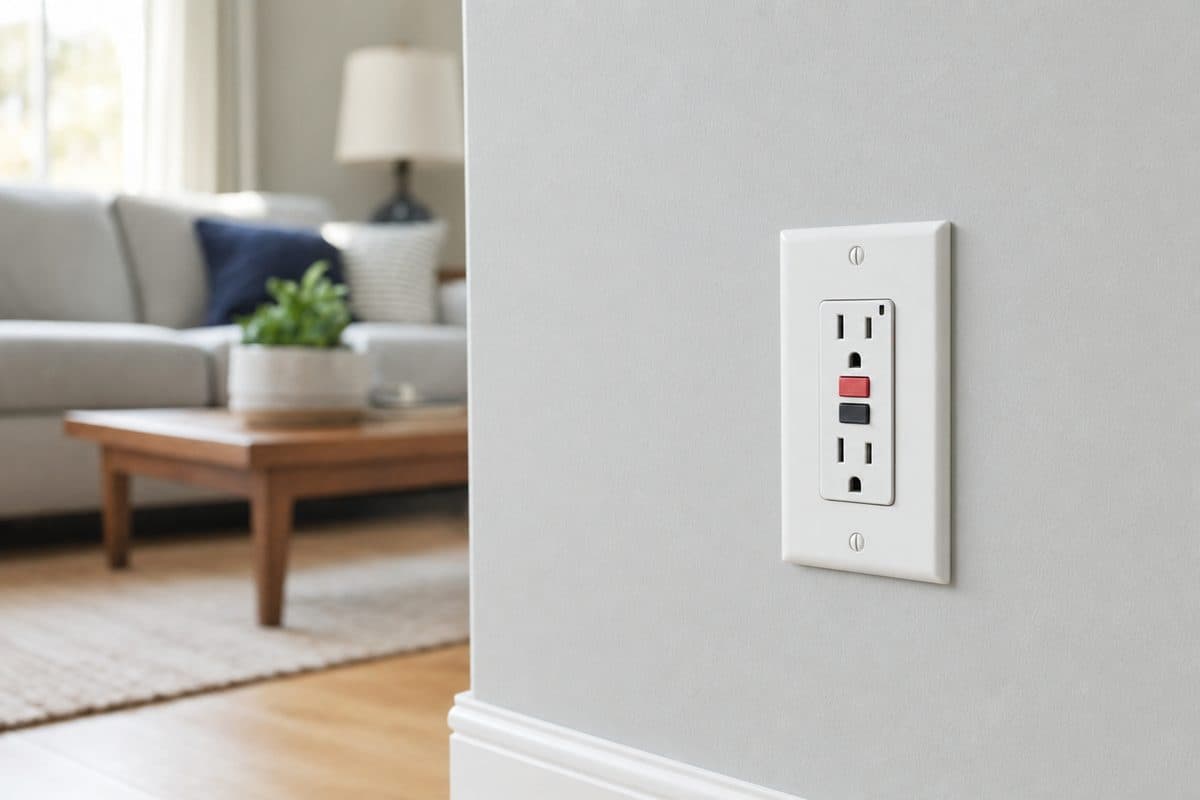
Why Are My Outlets Not Working?
A dead outlet is not always a big problem, sometimes a tripped GFCI is the culprit. Here is what to check safely and when to call for help.
Read guideNationwide coverage
Electrical Repair by state and city
Select a state or popular city to view electrical repair guidance and check electrician availability in that area.
Get electrical repair help
Call or request availability to connect with electrician help.
Call (833) 962-0486 to talk through the electrical problem and check electrician availability.