Updated July 25, 2026Sources reviewed July 31, 20268 min read
If an outlet feels warm, stop using that outlet and unplug connected devices if you can do so safely. Warmth can have harmless explanations in some situations, but heat, odor, discoloration, sparking, damage, or a loose plug fit are warning signs that should be evaluated by a qualified electrician.
Why an outlet may feel warm
An outlet can feel warm when it has been powering a heavier load for a while, but warmth can also point to a loose connection, a failing receptacle, a damaged plug, a problem with the device plugged in, or an overloaded circuit. The key issue is not just the temperature, but whether the warmth is paired with other signs that suggest the outlet or circuit is no longer operating safely.
- Heavy use from space heaters, hair tools, kitchen appliances, or other high-draw devices can make an outlet area feel warmer than usual
- A loose connection inside the outlet can create heat where electricity is not flowing cleanly
- A failing receptacle or worn contacts may not grip a plug well, which can lead to heat buildup
- A damaged cord cap or plug on the connected device can transfer heat to the outlet face
- Too many loads on one circuit can contribute to overheating, tripping, or unreliable performance
When warmth becomes a warning sign
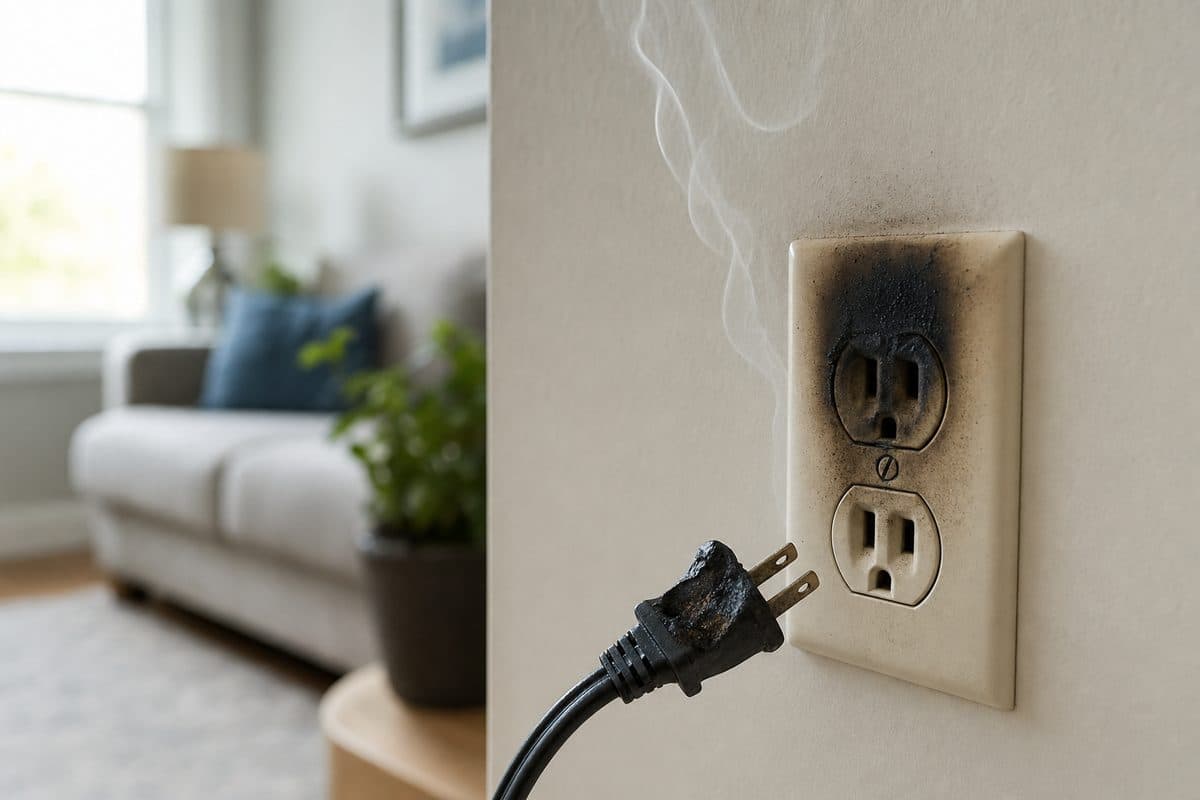
A warm outlet deserves more attention when it is accompanied by visible or noticeable warning signs. Consumer safety guidance treats heat, discoloration, odor, sparking, damaged receptacles, and poor plug fit as signs that need professional evaluation, because they can indicate arcing, deterioration, or overheating at the outlet or elsewhere on the circuit.
What to stop doing right away
Once you notice unusual warmth, do not keep testing the outlet with different devices, and do not continue running the same appliance to see if the problem returns. It is also wise to avoid extension chains, multi-plug adapters, or power strips on that outlet until the cause is understood, especially if the outlet was already serving a demanding load.
- Stop using the affected outlet
- Unplug connected devices if it is safe to reach the plug
- If clearly safe, switch off the related breaker to keep the outlet out of use
- Do not open the outlet, remove the cover, or attempt a repair
- Do not ignore repeated warmth, even if the breaker has not tripped
Safe observations that help an electrician
You do not need to diagnose the fault yourself, but a few simple observations can make the evaluation faster and more accurate. Focus on what you can safely see, smell, and note from normal use, not on testing or taking anything apart.
- Which device was plugged in when the outlet felt warm
- Whether the issue happens every time or only with certain appliances
- Any odor, discoloration, buzzing, crackling, or visible damage
- Whether the plug feels loose, falls out easily, or sits unevenly
- Whether lights flicker, the breaker trips, or nearby outlets also act oddly
- How long the outlet had been in use before you noticed the warmth
What a professional will usually evaluate
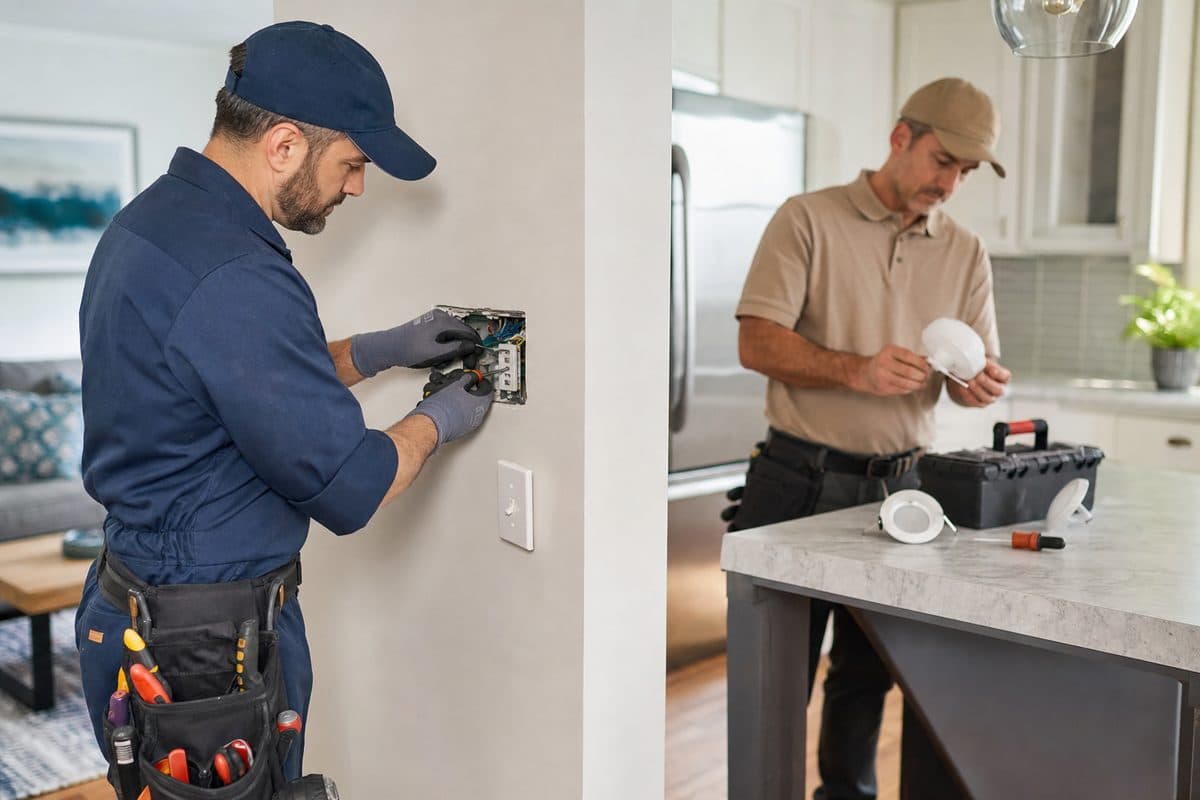
A qualified electrician will look at more than the outlet face. The goal is to determine whether the problem is isolated to the receptacle, related to the connected device, or part of a larger circuit issue. That broader evaluation matters because heat can start at one point but be caused by wear, poor connections, or load problems elsewhere.
- The condition of the receptacle and how securely it holds a plug
- Signs of overheating, damage, or deterioration at the outlet
- Whether the connected appliance appears to be contributing to the problem
- How the circuit is loaded and whether multiple outlets may be affected
- Whether urgent repair is needed before the outlet is used again
What to include when requesting quotes
When you request electrician help through ElectricianQuotes, a clear description can help you get more useful responses from available providers. The most helpful quote requests explain the symptom, the urgency, and whether there are additional warning signs that suggest an immediate safety issue.
Your next decision is about urgency. If the warm outlet also has odor, discoloration, sparking, damage, buzzing, or poor plug fit, treat it as an urgent electrical repair issue and keep it out of use. If the outlet simply felt warmer than expected under a heavy load but has no other warning signs, it is still worth arranging an electrician evaluation so you can find out whether the issue is the outlet, the appliance, or the circuit.
Need help with outlet and switch repair?
Call ElectricianQuotes or check availability online for help with your electrical project.
Frequently asked questions
Is a warm outlet always dangerous?
Not always, but it should not be ignored. Warmth can happen during heavier use, yet heat paired with odor, discoloration, sparking, damage, buzzing, or a loose plug fit is a warning sign that should be professionally evaluated.
Should I unplug the device if the outlet is warm?
Yes, if you can do so safely. Stop using the outlet and unplug the connected device by the plug, not the cord. If anything looks damaged or there is smoke, sparks, or strong burning odor, avoid further contact and request urgent electrician evaluation.
Can a bad appliance make an outlet feel warm?
Yes. A failing appliance, damaged plug, or a high-draw device can contribute to outlet warmth. That is one reason an electrician may ask what was plugged in and whether the issue happens with one device or with multiple devices.
What kind of electrician help should I request?
Ask for outlet and electrical repair evaluation, and describe any warning signs such as heat, smell, discoloration, sparking, damage, or a loose plug fit. If those signs are present, note that you need urgent evaluation. ElectricianQuotes can help connect you with available providers, depending on location.
Sources and review
Technical and safety facts in this guide were checked against the listed sources on July 31, 2026. Comparisons and next-step recommendations are editorial planning guidance; on-site findings determine the work.