Updated July 25, 2026Sources reviewed July 31, 20268 min read
Before considering an attic fan, separate the ventilation goal from the equipment choice. A powered attic ventilator removes hot attic air, while a whole-house fan moves air through the living space. That distinction matters because attic ventilation, air sealing, insulation, intake airflow, and electrical supply all affect whether a fan helps or works against your conditioned space.
Powered attic ventilator vs. whole-house fan
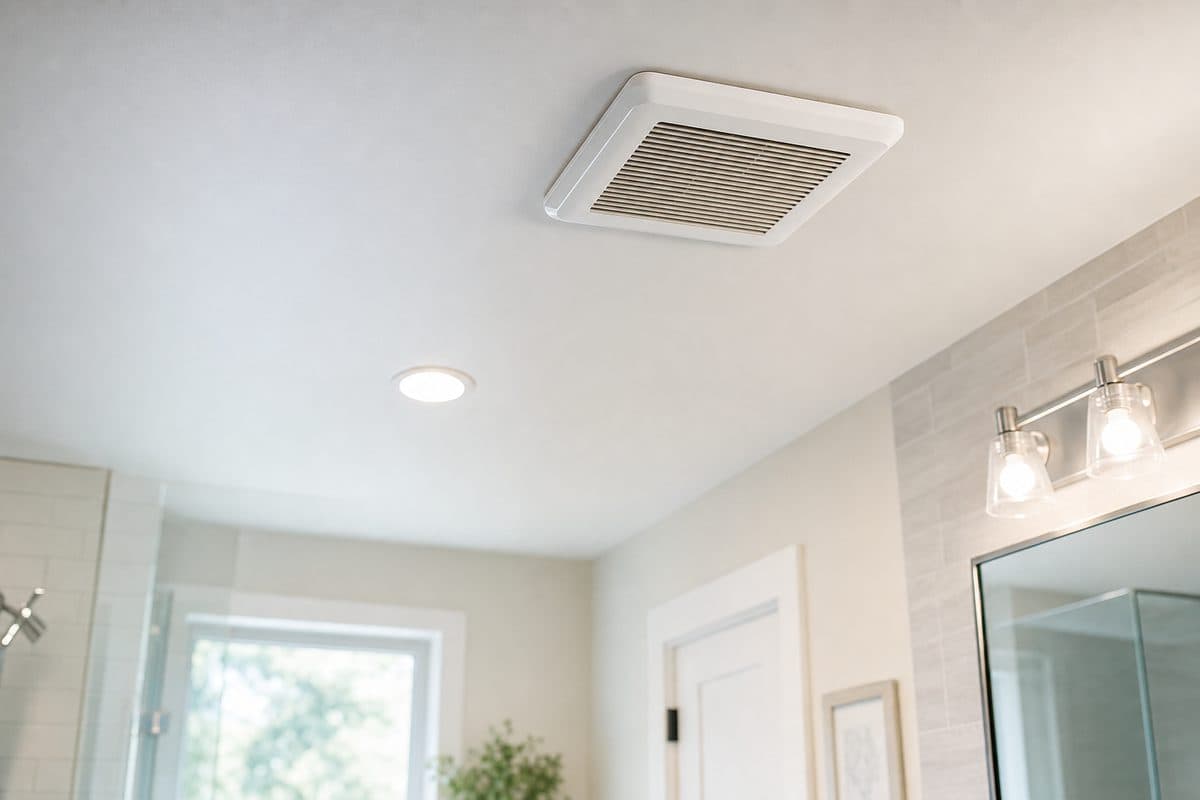
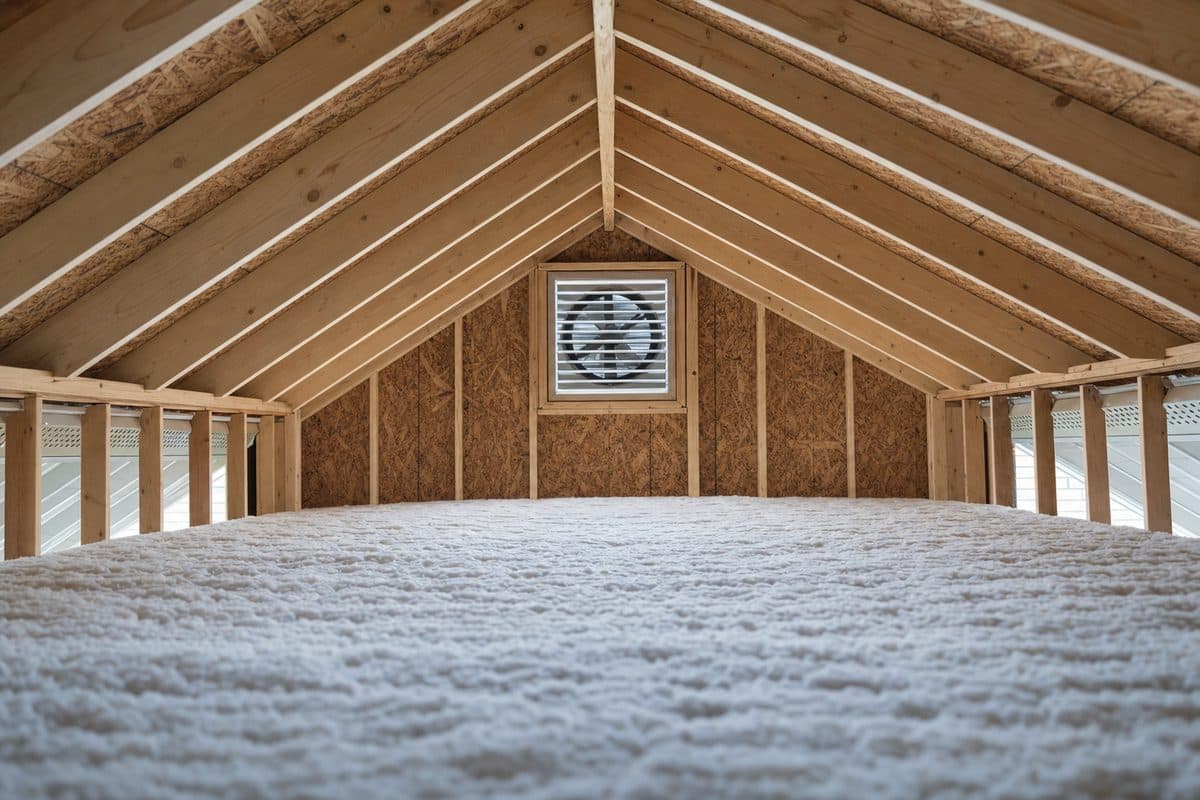
A powered attic ventilator is installed to exhaust air from the attic itself. A whole-house fan is intended to pull air through open windows and circulate it through the home into the attic. Homeowners sometimes use the names interchangeably, but they solve different problems and create different planning issues for comfort, noise, controls, and electrical service.
- Powered attic ventilator: focuses on attic heat and moisture conditions.
- Whole-house fan: affects the occupied rooms and depends on window operation and indoor airflow.
- Quote requests should identify which type you mean, because equipment location, wiring, controls, and expected performance are different.
Consider ventilation, air sealing, and insulation first
Source guidance from ENERGY STAR emphasizes that passive ventilation, attic floor air sealing, and insulation are part of the decision, not an afterthought. If the attic is not well sealed from the living space, a powered attic fan can pull conditioned air out of the home, which can increase cooling demand instead of reducing it. Blocked soffit vents can create similar problems by limiting the fan's intake air.
Plan the intake and exhaust path
A useful evaluation looks at where replacement air enters the attic and where hot air leaves. The goal is not just adding a motorized fan, but confirming that airflow has a workable path. If soffit vents are obstructed, insulation is covering intake openings, or the roof and gable vent layout is unbalanced, the fan may not perform as intended.
- Note whether soffit, ridge, gable, or roof vents already exist.
- Look for visible blockages at soffits or signs that insulation may be crowding vent openings.
- Record whether the proposed fan location is roof-mounted, gable-mounted, or replacing an existing unit.
- Ask how the installer will assess whether the attic has adequate intake air.
Controls, access, noise, and weather exposure
Planning details affect day-to-day satisfaction as much as the fan itself. Homeowners should ask how the fan is controlled, how it will be accessed for service, and whether the proposed location changes indoor noise or increases exposure to wind-driven rain and weather. These are not one-size-fits-all answers, so they should be discussed before the quote is finalized.
- Controls: ask whether the fan uses built-in controls or a separate control arrangement.
- Access: note whether there is safe attic access for inspection and future service.
- Noise: ask where sound and vibration are most likely to be noticeable.
- Weather exposure: ask how the mounting location is selected with roof and exterior conditions in mind.
Electrical supply and dedicated circuit planning
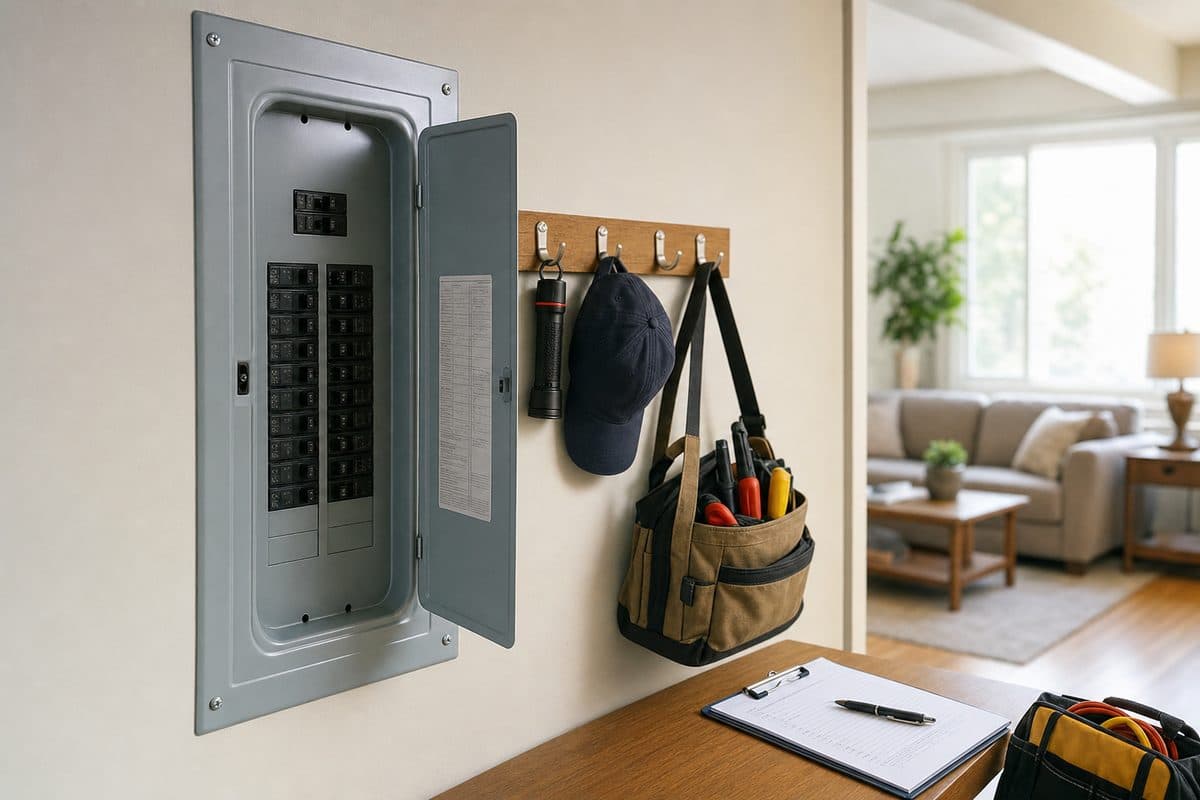
An attic fan installation may require new wiring, a new disconnecting means, or a dedicated circuit, depending on the equipment and the home's existing electrical setup. A qualified electrician should evaluate available capacity, the route to the fan location, attic conditions, and whether the existing system can support the proposed equipment. This is not a project to improvise with extension cords, repurposed wiring, or informal splices in the attic.
What a professional should evaluate during inspection
A good inspection considers both ventilation and electrical conditions. The evaluator may review attic vent layout, visible air leakage pathways from the house into the attic, insulation patterns near intake vents, mounting location, service access, and the electrical source. Requirements can vary by city, county, and state, so the inspection should also identify whether permit or approval questions apply in your area.
What to include in a quote request
To compare quotes clearly, provide photos of the attic access, exterior vent areas, the electrical panel, and any existing fan or wiring. Mention whether the goal is replacing a failed powered attic ventilator, adding a new attic exhaust fan, or exploring whether ventilation and air sealing work should come first. The next decision is whether your home needs an attic fan at all, or whether a combined review of air sealing, insulation, ventilation, and electrical supply should happen before selecting equipment.
Need help with attic fan installation?
Call ElectricianQuotes or check availability online for help with your electrical project.
Frequently asked questions
Does a powered attic fan always lower cooling costs?
No. ENERGY STAR notes that if the attic floor is not well air sealed, or if intake vents such as soffits are blocked, a powered attic fan can pull conditioned air from the home and increase cooling demand. That is why ventilation, air sealing, and insulation should be reviewed together.
Is an attic fan the same as a whole-house fan?
No. A powered attic ventilator exhausts air from the attic. A whole-house fan moves air through the living space and into the attic. They serve different purposes and should be quoted and evaluated differently.
When should I request an electrical inspection for an attic fan project?
An electrical inspection is useful when adding a new fan, replacing an older unit with different electrical needs, planning a dedicated circuit, or when the attic has older or unclear wiring conditions. A qualified electrician can review the panel, circuit options, wiring path, and visible safety concerns.
What makes an attic fan quote more useful?
A strong quote should state the fan type being proposed, where it will be installed, what electrical work is included, whether a dedicated circuit is anticipated, how controls will be handled, and what site conditions could change the scope. It should also note that permit or approval requirements can vary by location.
Sources and review
Technical and safety facts in this guide were checked against the listed sources on July 31, 2026. Local code, permit, inspection, utility, and product requirements should be confirmed for the project address and equipment. Comparisons and next-step recommendations are editorial planning guidance; on-site findings determine the work.