Updated April 21, 2026Sources reviewed July 31, 20267 min read
A backup generator can keep your lights, refrigerator, heating, or medical equipment running when the grid goes down. But a generator is also tied directly into your home's electrical system, which makes safe installation essential. Understanding the basics helps you have a productive conversation with a qualified electrician.
Portable vs. standby generators
- Portable generators are smaller, moved into place during an outage, and typically power a few essentials through approved connections.
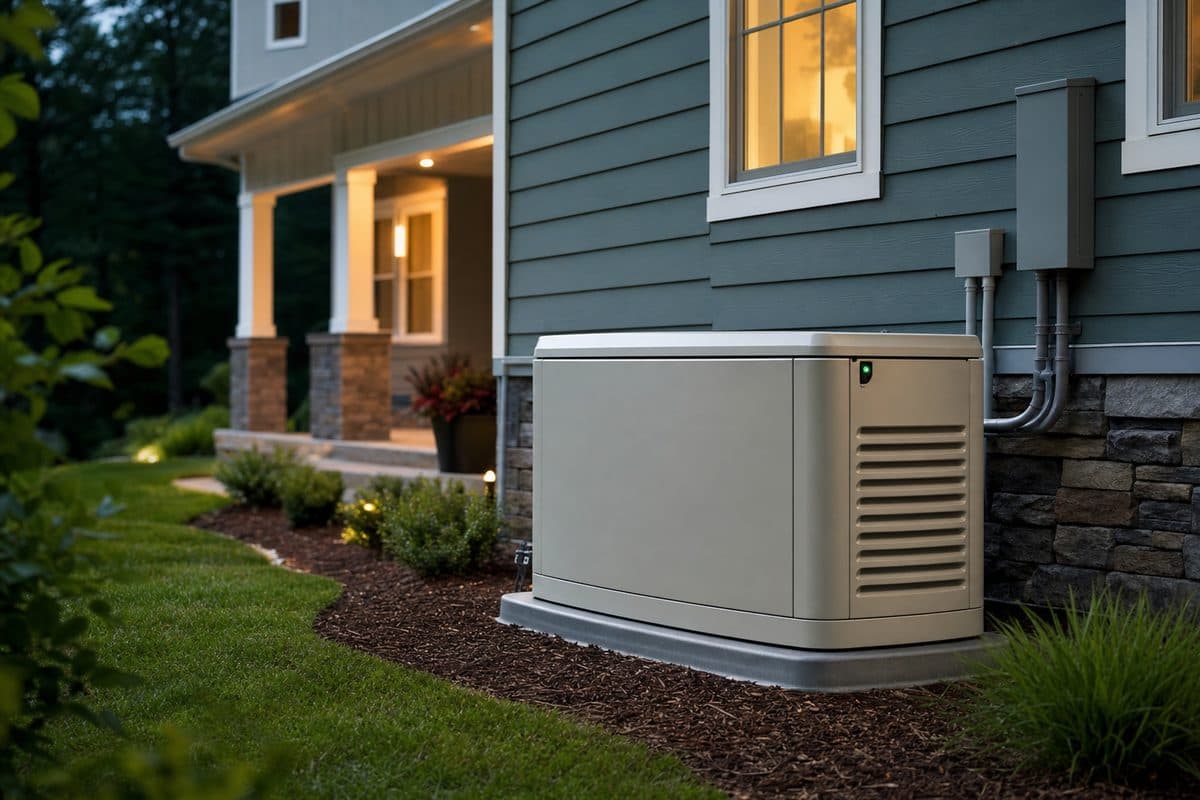
- Standby (whole-home) generators are permanently installed, start automatically when the power fails, and can power much more of the home.
- Standby units connect through a transfer switch and are sized to the loads they need to support.
Why the transfer switch matters
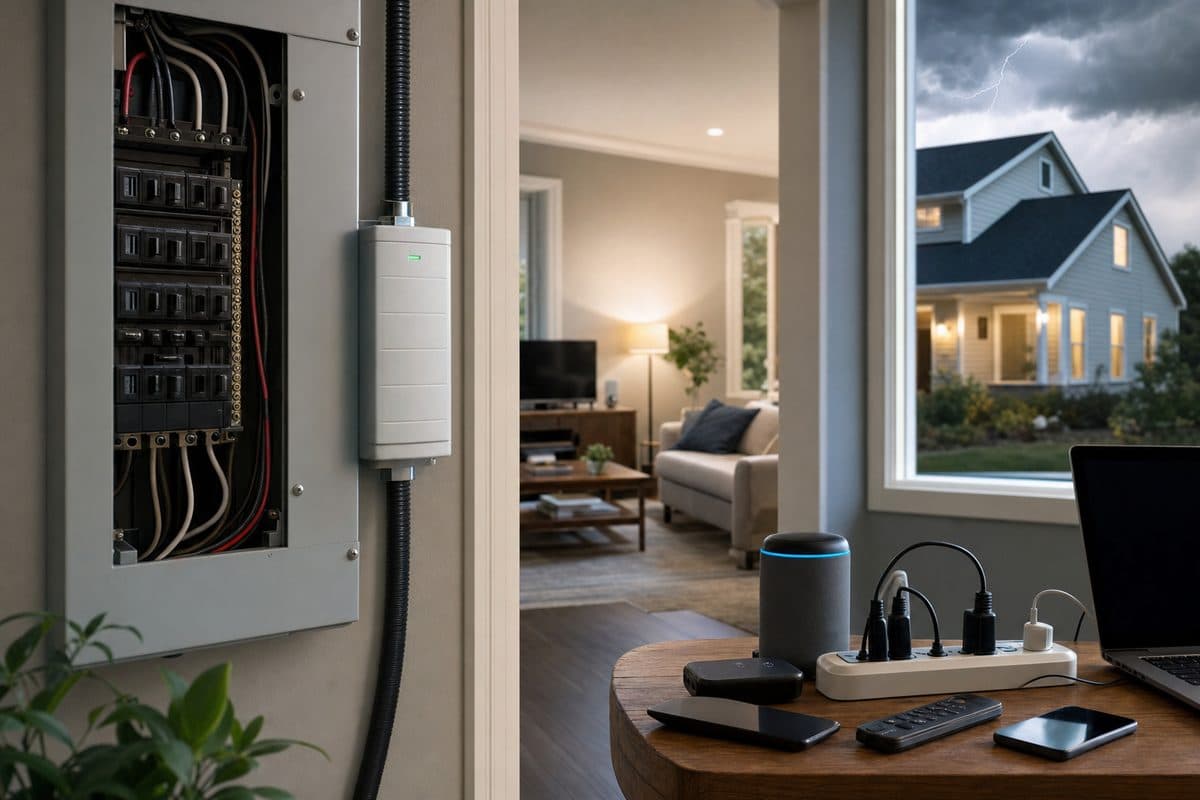
A transfer switch safely connects a generator to your home's wiring and prevents generator power from flowing back into the utility lines, a dangerous condition called backfeed that can injure utility workers and damage equipment. Transfer switch installation is electrical work that must be performed by a qualified electrician.
Sizing and fuel
Generators are sized to the loads they need to carry. An undersized unit cannot keep up; an oversized one costs more than necessary. Fuel choice, natural gas, propane, or gasoline, affects run time, refueling, and placement. An electrician, often with the installer, helps match the generator to your priorities.
Steps to a generator project
- 1
Define your priorities
Decide which circuits or appliances must stay powered during an outage.
- 2
Choose the type
Weigh a portable unit against an automatic standby system based on your needs and budget.
- 3
Assess the electrical work
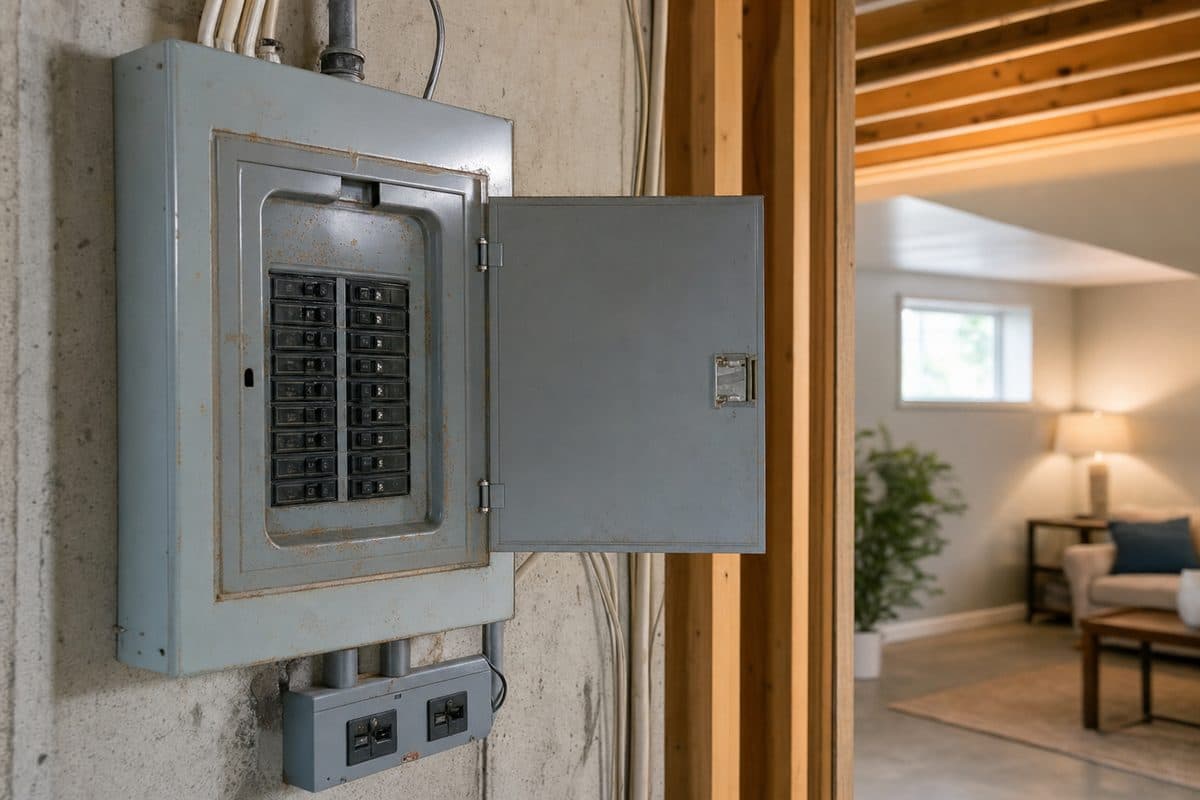
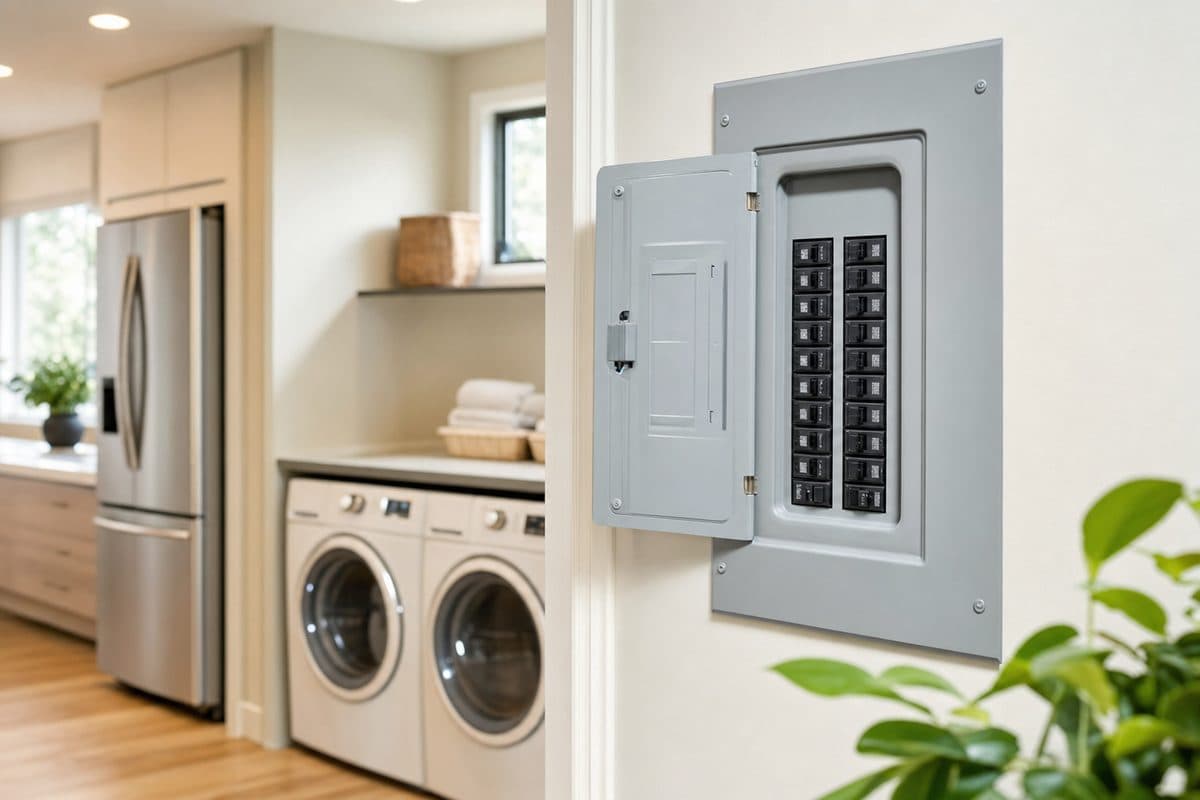
An electrician evaluates your panel and what the transfer switch installation involves; a panel upgrade is sometimes needed.
- 4
Permit, install, inspect
A qualified electrician handles permitting, installs the transfer switch and connection, and arranges any required inspection.
ElectricianQuotes is a nationwide service that helps you understand your generator options and connect with electrician help in your area. Availability may vary by location and provider. We do not set or guarantee pricing, a local electrician will assess your home and provide a quote.
Need help with generator installation?
Call ElectricianQuotes or check availability online for help with your electrical project.
Frequently asked questions
What is a transfer switch and do I need one?
A transfer switch safely connects a generator to your home and prevents dangerous backfeed into utility lines. A permanently connected generator requires one, and it must be installed by a qualified electrician. Never wire a generator into your home yourself.
What size generator do I need?
It depends on which circuits and appliances you want to keep running. A generator is sized to those loads, too small will not keep up, too large costs more than needed. An electrician and installer can help size it for your priorities.
Can I run a generator in my garage?
No. Generators produce carbon monoxide and must be operated outdoors, away from windows, doors, and vents, following the manufacturer's guidance. Running one in a garage or indoors is extremely dangerous.
Sources and review
Technical and safety facts in this guide were checked against the listed sources on July 31, 2026. Cost and timing language is planning context, not a property-specific quote. Local code, permit, inspection, utility, and product requirements should be confirmed for the project address and equipment. Comparisons and next-step recommendations are editorial planning guidance; on-site findings determine the work.