Updated July 25, 2026Sources reviewed July 31, 20268 min read
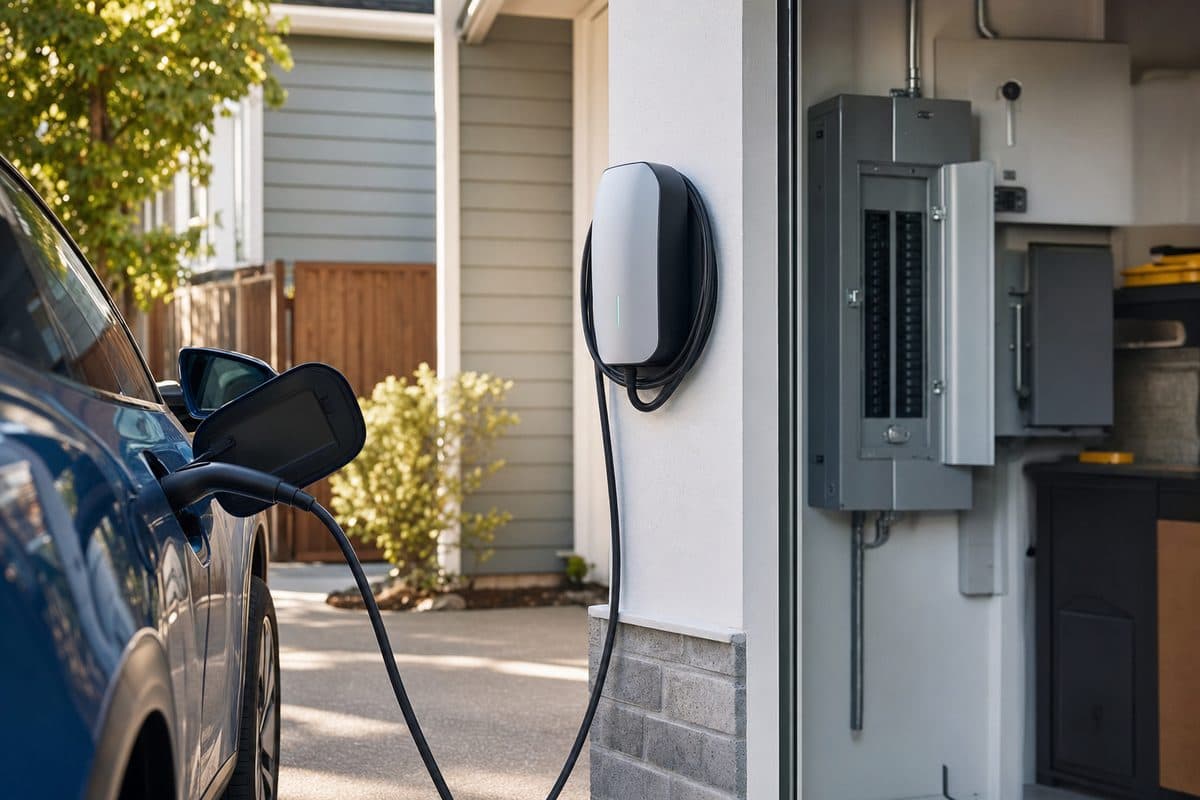
If a home EV charger stops working, charges more slowly than expected, reports a fault, or trips a breaker, stop using the affected charging setup until you have checked the vehicle and charger instructions and confirmed there are no signs of overheating or damage. A useful diagnosis usually starts by separating vehicle, app or network, charging schedule, connector, receptacle, branch circuit, breaker, charger, and panel capacity possibilities.
Start with the symptom, and stop use if anything seems unsafe
The first question is what changed: is the charger offline, charging slowly, stopping partway through, showing a fault light or code, or tripping the breaker. Repeated trips, heat, burning smell, buzzing, scorch marks, melting, or visible damage mean the charging equipment should not be used until a qualified electrician evaluates it. If there is active fire or an immediate threat, contact emergency services.
Rule out vehicle, app, and schedule issues first
Some charging problems begin with the vehicle rather than the home electrical system. The vehicle may limit charging, pause because of a timer, reject a connection, or display a message that points to a charging fault. App-based controls and utility or off-peak schedules can also make a charger appear offline or slow when it is actually waiting for a permitted charging window.
- Check the vehicle display for charging messages or alerts.
- Review the vehicle and charger app for paused charging, delayed start, or schedule settings.
- Confirm the charger is intended for the vehicle and charging method you are using, based on manufacturer information.
- Use only manufacturer-approved resets and reconnect procedures from the vehicle or charger instructions.
Look at the connector, cable, and receptacle without taking anything apart
A poor connection can interrupt charging, create fault messages, or lead to heat at the plug or connector. Safe observation can reveal whether the problem is with the charging handle, the cable, or the outlet connection used by some plug-in chargers. Do not open the charger, outlet, panel, or cord ends.
- Make sure the connector is fully seated and not blocked by debris or damage.
- Inspect the cable jacket for cuts, crushing, kinks, or exposed conductors.
- If the charger plugs into a receptacle, look for looseness, discoloration, or signs of heat around the outlet face or plug blades.
- Note whether the issue happens every time or only after charging has been running for a while.
Understand why slow charging is not always a failure
Home charging speed depends on the charging level, the equipment, and the available electrical capacity. The Department of Energy explains that Level 1 and Level 2 home charging differ significantly, and a vehicle may charge more slowly because of equipment limits, settings, or available power rather than a broken charger. A charger that seems slow after an upgrade or vehicle change may need an electrician to assess whether the circuit and service capacity match the intended use.
Breaker trips point to the branch circuit, charger, or load conditions
If charging causes a breaker to trip, the problem could involve the charger, the receptacle used by a plug-in unit, the dedicated branch circuit, the breaker itself, or the home's overall electrical load at the time charging starts. A single trip after a storm or outage may not mean the same thing as repeated trips that happen under similar conditions. Homeowners should avoid repeated reset attempts if the breaker trips again.
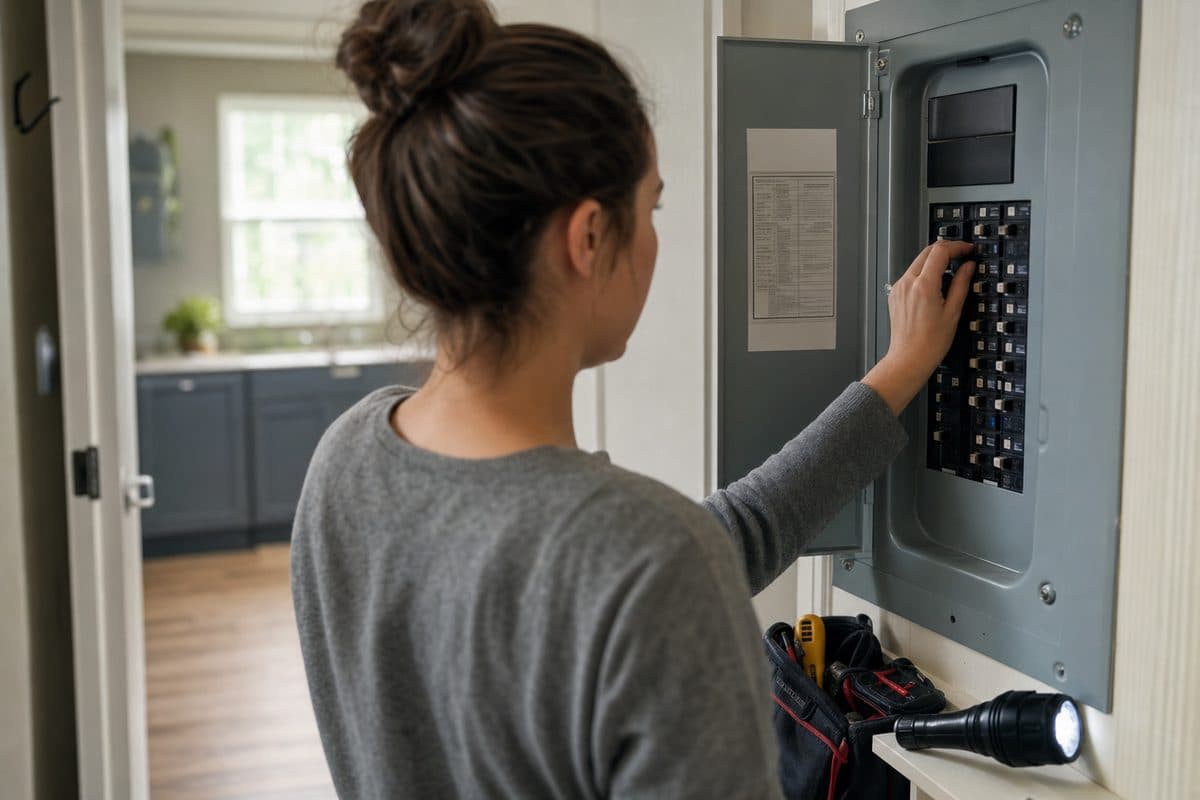
- If safe to do so, note which breaker controls the charger and whether it trips immediately or after some charging time.
- Record what else was running when the trip happened, such as HVAC, water heating, cooking equipment, or other high-demand loads.
- Do not continue resetting a breaker that repeatedly trips during EV charging.
- If the charger uses a 240-volt outlet, stop using it if the plug or outlet shows heat, looseness, or discoloration.
Offline or fault status can come from the charger itself
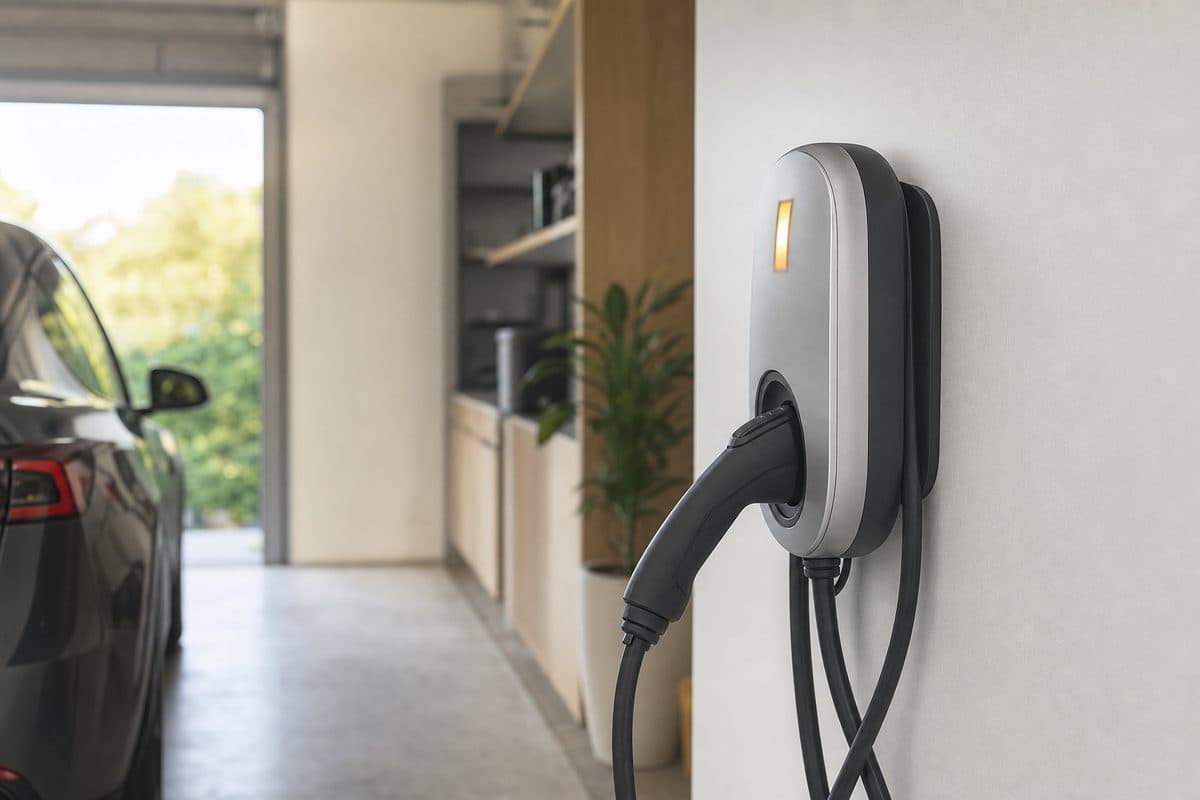
A charger that shows offline, unavailable, or fault can be affected by internal protection, communication issues, settings, or a hardware problem. Follow only the reset or restart process approved by the charger manufacturer. If the unit comes back briefly and then faults again, that pattern is useful information for an electrician and may point to equipment or power-supply issues rather than a simple app problem.
Panel capacity and installation details may matter
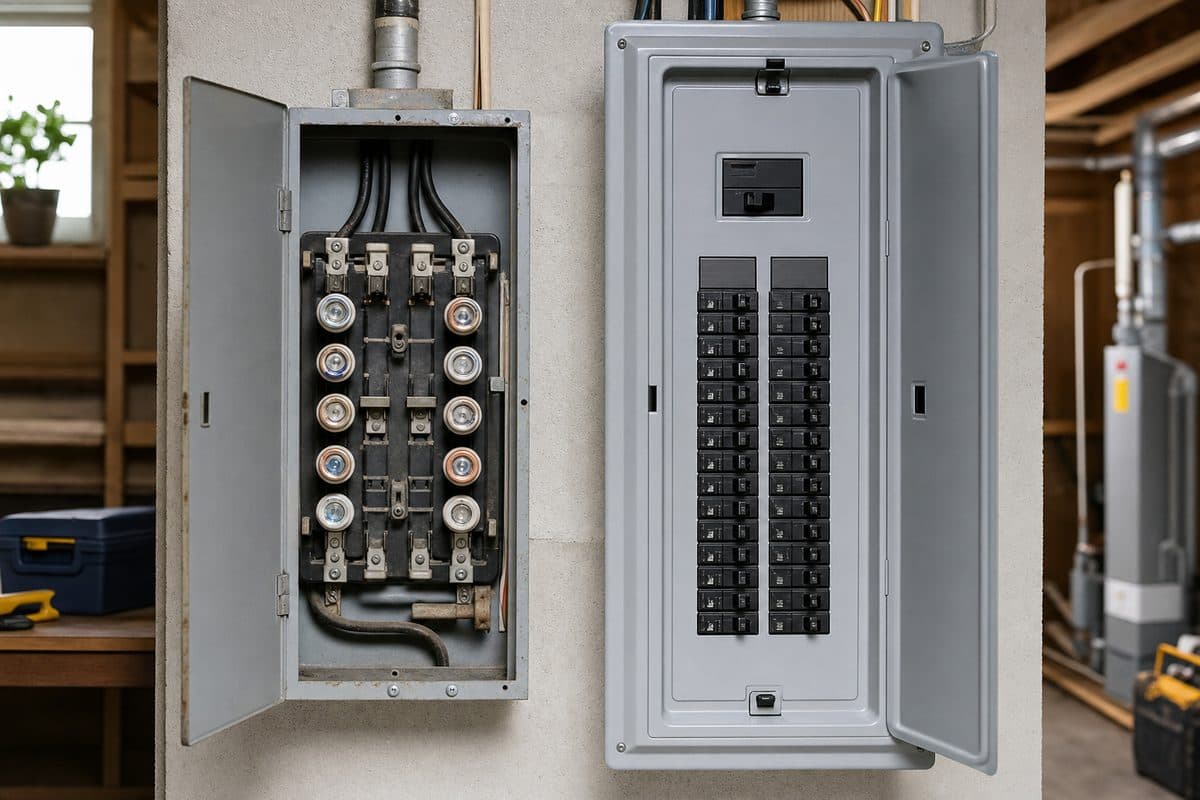
Home charging depends on appropriate electrical capacity and installation. If the charger worked poorly from the beginning, if a new vehicle or charger was added, or if the home's electrical loads have changed, an electrician may need to assess the charger circuit, breaker sizing and condition, receptacle condition if present, wiring method, and the panel's available capacity for EV charging. Requirements can vary by city, county, and state.
- Hardwired charger or plug-in charger on a 240-volt outlet.
- Whether the setup is new, recently changed, or has worked reliably before.
- Any visible labels for charger rating, outlet type, and breaker identification.
- Photos of the charger, connector, outlet if used, and panel directory, taken without removing covers.
What a useful electrician quote should address
For EV charger repair, EV charger installation changes, breaker repair, or 240-volt outlet work, a helpful quote should clearly state what will be evaluated and what problem the provider believes they are solving. Depending on your symptoms, that may include testing the charger supply, evaluating the breaker and branch circuit, checking a receptacle connection, reviewing panel capacity, or recommending charger replacement or installation changes if the existing setup is not appropriate.
- Whether the visit is for diagnosis only, repair, or evaluation for replacement or reconfiguration.
- Whether the provider expects to assess the charger, breaker, branch circuit, 240-volt outlet, and panel capacity.
- Any planning range for parts or replacement options, understanding that actual pricing can vary by provider and location.
- What information or photos you should send in advance to help match the right service call.
Once you know whether the issue looks more like a vehicle setting problem, a charger fault, a receptacle issue, repeated breaker trips, or a possible capacity concern, the next decision is whether to request repair of the existing charging setup or an installation-focused evaluation for circuit, outlet, or charger changes. Providing clear notes and photos helps a matched electrician assess the likely cause and prepare an appropriate quote.
Need help with EV charger repair?
Call ElectricianQuotes or check availability online for help with your electrical project.
Frequently asked questions
Can a home EV charger fail even if the car is the real problem?
Yes. A charging session can stop because of a vehicle alert, charging limit, timer, or communication issue, even when the home charger and circuit are fine. Start with the vehicle and charger manufacturer instructions, then note any messages shown on the car or app.
Why does my EV charger trip the breaker only sometimes?
Intermittent trips can be related to charging duration, other electrical loads running at the same time, the charger itself, the receptacle used by a plug-in charger, the branch circuit, or the breaker. Repeated trips are a reason to stop using the setup and request electrician evaluation.
Is slow charging always an electrical problem in the house?
No. Charging speed depends on whether you are using Level 1 or Level 2 equipment, the vehicle, the charger settings, and the available electrical capacity. Slow charging can also come from schedules, app controls, or equipment limits rather than a failed circuit.
What should I send when asking for an EV charger repair or installation quote?
Include the charger brand and model, vehicle make and model, exact symptom, any fault code, whether the charger is hardwired or plugged into a 240-volt outlet, when the issue started, whether a breaker trips, and clear photos of the charger, connector, outlet if used, and panel directory. ElectricianQuotes can help connect you with providers, but availability can vary by location and provider.
Sources and review
Technical and safety facts in this guide were checked against the listed sources on July 31, 2026. Cost and timing language is planning context, not a property-specific quote. Local code, permit, inspection, utility, and product requirements should be confirmed for the project address and equipment. Comparisons and next-step recommendations are editorial planning guidance; on-site findings determine the work.