Knob & Tube guide
Knob & Tube Rewiring
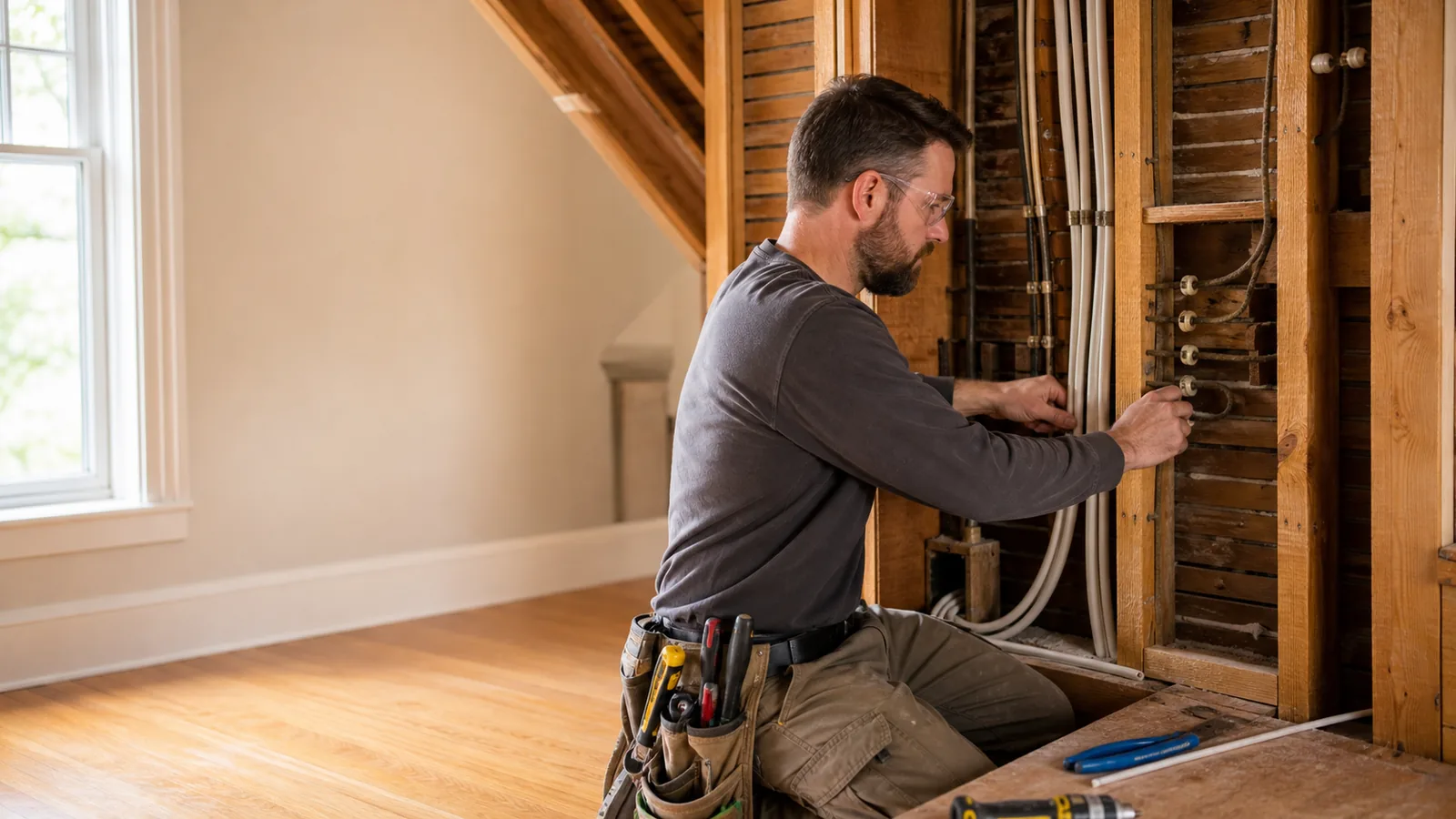
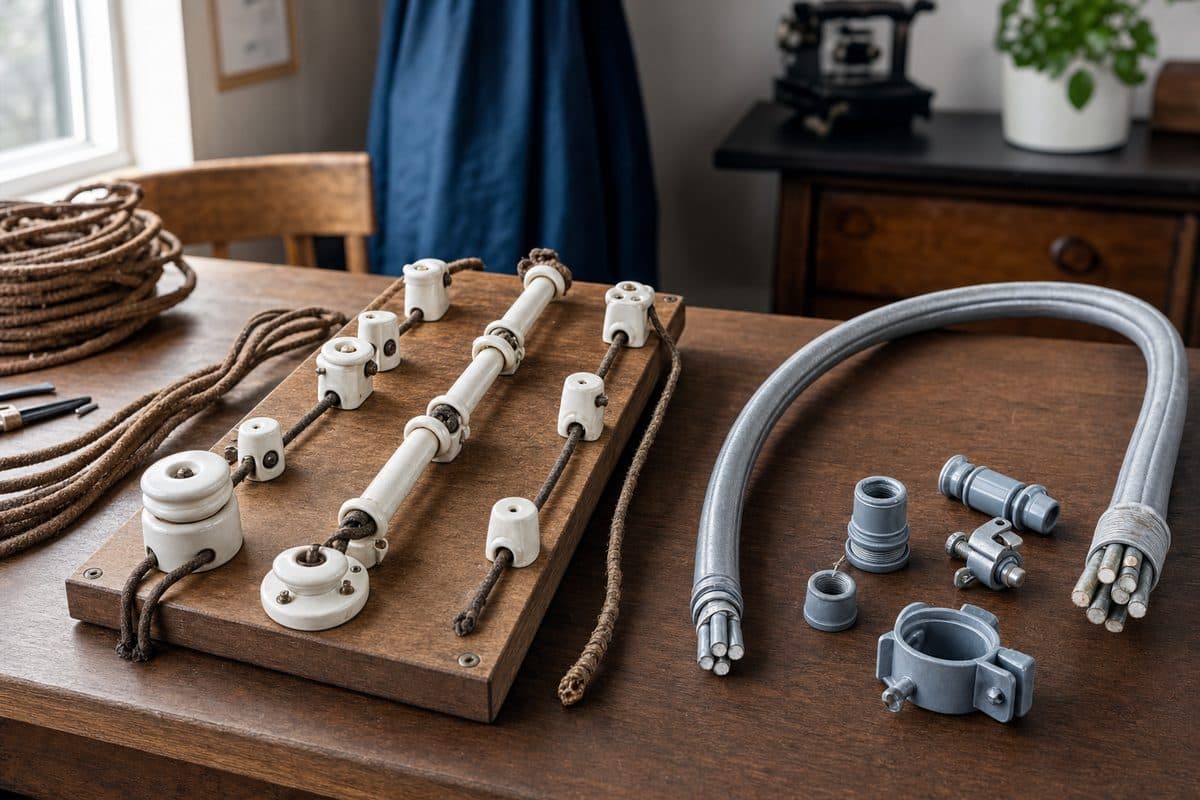
Knob-and-tube rewiring begins with mapping where older circuits remain and separating them from later wiring. Visible condition, alterations, access, connected loads, and renovation plans shape the project scope.
Updated July 26, 2026
Knob & Tube Rewiring, explained
The key decision is: How much active knob-and-tube wiring remains, what serves it, and how should replacement be phased? A useful replacement scope separates confirmed conditions from optional improvements and explains why the proposed extent fits.
Start with the affected equipment or area, the visible condition or desired result, and any recent change. The sections below explain the scope choices and quote details that matter for knob & tube.
When to evaluate knob & tube
Confirm what is present, what condition has been documented, and whether targeted work or a broader replacement scope fits.
Needs and situations this service covers
- My home has knob and tube wiring
- Buying an older home with existing knob and tube wiring.
- Insurance requires an upgrade for coverage.
- Frequent electrical issues or safety concerns arise.
- Planning a major renovation or home upgrade.
What can change the scope
- Homes built before the 1950s still have original wiring.
- Insurance companies require updated wiring for coverage.
- Existing wiring is brittle or damaged.
- Renovations reveal outdated electrical infrastructure.
- Accessible wiring, affected circuits, visible supports and splices, prior alterations, panel connections, and concealed areas can be documented.
- Selected lighting, receptacle, or appliance circuits can be planned around access, use of the space, and project priorities.
How much active knob-and-tube wiring remains, what serves it, and how should replacement be phased?
A proposal should distinguish confirmed knob-and-tube circuits from later wiring and explain whether the project is targeted, phased, or coordinated with a larger renovation.
Extent and condition assessment
Accessible wiring, affected circuits, visible supports and splices, prior alterations, panel connections, and concealed areas can be documented.
Circuit-by-circuit replacement
Selected lighting, receptacle, or appliance circuits can be planned around access, use of the space, and project priorities.
Grounded outlets and modern protection
The rewiring plan can define grounding, device replacement, GFCI or AFCI protection, and circuit organization for the included areas.
Renovation coordination
Electrical work can be sequenced with demolition, framing, insulation, wall repair, painting, cabinetry, and other planned improvements.
Panel and capacity review
New circuit layouts may require breaker, panel-space, feeder, grounding, labeling, or service-capacity work to be priced separately.
Testing and project records
The finished project should identify replaced circuits, tests performed, panel labels, and any older wiring left outside the agreed scope.
Useful observations and electrical safety boundaries
Share what you can observe without opening equipment or touching wiring. Energized testing, disassembly, and repair belong to a qualified electrician.
Useful details to note
- Identify if your home was built before the 1950s.
- Check if visible wiring looks outdated or brittle.
- Listen for buzzing or sparking sounds from electrical outlets.
- Note any frequent electrical issues or breaker trips.
Leave these steps to an electrician
- Never attempt to replace knob and tube wiring yourself.
- Ensure all electrical work is performed by a qualified electrician.
- Old wiring may not support modern electrical loads safely.
- Improper handling of wiring can lead to fire hazards.
Warning signs to mention when requesting help
There is active fire, visible smoke, or a serious electrical injury; You discover knob and tube wiring during an inspection.; Insurance demands rewiring for continued coverage.; You experience frequent electrical issues or outages.; Planning renovations that involve electrical work..
How an electrician evaluates the replacement scope
The exact sequence depends on the symptom, equipment, access, and what testing or planning reveals at the property.
- 1
Review the project reason
Clarify whether the work follows a symptom, inspection, property transaction, insurance request, renovation, or planned system update.
- 2
Map accessible older wiring
Identify visible runs, affected rooms and circuits, panel connections, later wiring, prior alterations, and areas that remain concealed.
- 3
Evaluate condition and loading
Check accessible wiring and connections, connected devices, circuit use, protection, grounding, and visible signs of heat or damage.
- 4
Plan replacement routes
Choose practical routes and circuit groupings that account for walls, ceilings, attics, basements, finished surfaces, and occupied rooms.
- 5
Define phases and responsibilities
List the circuits in each phase, temporary outages, devices, panel work, permits, inspections, access openings, and finish restoration.
- 6
Verify and document the result
Test completed circuits, update panel labels, and record any older wiring or inaccessible areas not included in the finished project.
- 7
Initial Assessment
A professional electrician evaluates your current wiring system to determine the extent of knob and tube wiring.
Get knob-and-tube wiring evaluation and rewiring help
Call or request availability to connect with electrician help.
What affects knob & tube cost
Rewiring a home to replace knob and tube wiring can vary in cost depending on several factors. Treat published ranges as planning references rather than a quote for a particular property.
Size of the home and extent of existing knob and tube wiring.
Complexity of accessing current wiring.
Local permit and inspection fees.
Choice of materials and fixtures.
| Scope | Typical range | What it usually involves |
|---|---|---|
| Small Home | $9,500-$22,000 | Basic rewiring for a small home with minimal wall openings. |
| Medium Home | $19,000-$42,000 | Includes moderate access challenges and permit costs. |
| Large Home | $35,000-$80,000 | Extensive rewiring with significant access issues. |
Cost ranges are estimates developed from standardized project scopes and reviewed pricing inputs. Government labor and regional cost data are used where applicable. See our Pricing Methodology for the exact sources, calculations, and review date. Actual prices vary by property, scope, materials or equipment, location, and provider.
How to compare the written scope and quote
Compare what each proposal includes, what assumptions it makes, and how findings that change the scope will be handled, not only the total price.
- Which rooms and circuits were confirmed to contain knob-and-tube wiring?
- Which accessible conditions and prior alterations were inspected?
- Is the proposal targeted, phased, or a full replacement of the listed circuits?
- Which new circuits, devices, boxes, grounding, protection, and panel work are included?
- How will occupied rooms, power interruptions, and project sequencing be handled?
- Who handles openings, patching, painting, insulation, cleanup, and other trade work?
- Are permits, inspections, testing, labeling, and documentation included?
- Which concealed areas, circuits, or finish repairs remain excluded?
Common issues related to knob & tube
Choose the closest visible symptom for a focused explanation of urgency, useful observations, and the service that may fit.


Knob & Tube Rewiring: common questions
Is it mandatory to replace knob and tube wiring?
While not always legally required, many insurance companies mandate replacement for coverage.
Does replacing knob and tube wiring require opening walls?
In some cases, walls may need to be opened, but electricians aim to minimize this disruption.
How can I identify if my home has knob and tube wiring?
Homes built before 1950 often have this wiring. A professional inspection can confirm its presence.
Are there specific permits required for rewiring?
Yes, permits are typically required, and the electrician will handle obtaining them as part of the process.
Sources and editorial review
Service guidance is checked against the government, safety, and consumer sources below. Equipment instructions, site conditions, and the requirements that apply to a specific address can still change the right scope.


Helpful resources
Plan knob & tube with clearer information
Use these related guides to understand the scope, prepare useful questions, and compare electrical proposals.
Nationwide coverage
Knob & Tube Rewiring by state and city
Select a state or popular city to view knob & tube guidance and check electrician availability in that area.
Get knob-and-tube wiring evaluation and rewiring help
Call or request availability to connect with electrician help.
Call (833) 962-0486 to talk through the electrical problem and check electrician availability.