Oregon Emergency
Emergency Electrician in Oregon
Urgent electrical service is for time-sensitive problems that should not wait for routine scheduling. The visible warning sign may come from a device, branch circuit, panel, customer-owned service equipment, or the utility system. In Oregon, start by describing what you see or what you want to change so the request can be matched to the right electrical scope.
- Urgent electrician help across Oregon
- Help for warning signs and electrical damage
- Call or check availability online
Updated July 26, 2026
When to request emergency electrician help in Oregon
Urgent electrical service is for time-sensitive problems that should not wait for routine scheduling. The visible warning sign may come from a device, branch circuit, panel, customer-owned service equipment, or the utility system. The useful first step is to separate the visible symptom or project goal from the diagnosis that requires an electrician's evaluation.
For a Oregon project, confirm the service scope, the authority that applies to the address, site access, and any utility coordination before comparing proposals. The questions below identify what to verify without inventing a state rule that has not been sourced.
Match the warning sign to the right first call
Stop using the affected equipment and keep clear of anything hot, sparking, scorched, wet, or visibly damaged. Use the pattern below to decide whether to request urgent electrician help, contact the utility, or leave the area for emergency help.
What is happening
A new burning odor comes from an outlet, switch, fixture, or appliance connection without visible fireFirst call or action
Stop using the affected area and call ElectricianQuotes(833) 962-0486Why
A hot connection or damaged device can continue to deteriorate and needs prompt electrician evaluation.
What is happening
An outlet, switch, panel, or breaker is hot, buzzing, crackling, scorched, or sparkingFirst call or action
Keep clear and call ElectricianQuotes for urgent electrician help(833) 962-0486Why
Heat and arcing can involve the device, a connection, the branch circuit, or service equipment.
What is happening
One room, one circuit, or half of the property loses power while nearby properties still have powerFirst call or action
Call ElectricianQuotes for electrical diagnosis(833) 962-0486Why
A breaker, connection, branch circuit, panel component, or customer-owned service equipment may be involved.
First call or action
Stop resetting it and call ElectricianQuotes(833) 962-0486Why
The warning signs point beyond a routine overload and require the circuit and equipment to be evaluated.
What is happening
Water reached an outlet, panel, wiring, appliance connection, or other electrical equipmentFirst call or action
Keep clear of the affected area and call ElectricianQuotes(833) 962-0486Why
Wet electrical components may remain unsafe after the visible water recedes and should be evaluated before reuse.
What is happening
A storm damaged customer-owned service equipment, exposed wiring, or an exterior electrical connectionFirst call or action
Stay clear and call ElectricianQuotes for urgent electrical help(833) 962-0486Why
An electrician may need to assess and repair customer-owned equipment before service can be restored safely.
What is happening
Several nearby properties are without power
First call or action
Check the utility outage page or report the outageWhy
A neighborhood-wide interruption is usually on the utility system rather than inside one property.
What is happening
A downed, low-hanging, or submerged power line is nearby
First call or action
Stay well clear and report it to the utilityWhy
Utility lines and equipment may remain energized even when power appears to be off.
What is happening
There is active fire, visible smoke, or a serious electrical injury
First call or action
Leave the area and contact emergency servicesWhy
This is an immediate emergency rather than an electrical service request.
What urgent electrician service can include
The first visit may isolate a hazard, complete a defined repair, or identify additional work needed for a lasting correction. The scope should distinguish immediate stabilization from the permanent repair.
Burning odor, heat, or arcing diagnosis
The electrician can trace the warning sign to a device, connection, circuit, panel component, or connected equipment.
View related guidanceOutlet and switch hazards
Hot, damaged, loose, buzzing, scorched, or water-exposed devices may require circuit testing and repair beyond device replacement.
View related guidanceBreaker and panel problems
Repeated trips, failed resets, heat, noise, damage, or partial power loss can involve breakers, connections, bus components, or service equipment.
View related guidanceStorm and service-equipment damage
Customer-owned weatherheads, masts, service conductors, disconnects, panels, and grounding may need inspection and utility coordination.
View related guidanceWater-exposed electrical components
Affected devices, wiring, panels, controls, and equipment may need isolation, evaluation, repair, or replacement before reuse.
View related guidanceTemporary stabilization and permanent repair
When the complete repair cannot be finished during the first visit, the electrician should explain what was made safe and what work remains.
View related guidanceOregon planning and verified guidance
Requirements can vary by project address and scope. Use these planning questions to identify the right authority, utility, access needs, and proposal details before work begins.
Questions to confirm for the project address
- Which state or local authority applies to emergency electrician at the project address in Oregon?
- Which licensing or credential authority applies to the work in Oregon?
- Which authority handles permits and inspections for the project address?
- Which utility delivers power to the property, and where is its equipment-ownership boundary?
- What site access, existing equipment, and restoration work can affect the project scope?
- Does the work involve utility-owned equipment, customer-owned equipment, or both?
Electrical issues that may need urgent help
Choose the symptom that most closely matches what you are seeing. Each guide explains useful observations and the service that may fit.


Budgeting for urgent electrical service in Oregon
The table is a national planning reference, not a state-specific quote. The final price depends on diagnosis, access, materials, permits, and the work required.
Emergency and after-hours work is typically priced differently from scheduled visits because of the urgency and timing.
Time of day and how urgent the response is
Severity and source of the hazard
Parts and repairs required after stabilization
Whether the panel or service wiring is involved
| Scope | Typical range | What it usually involves |
|---|---|---|
| After-hours diagnosis | $300-$800 | Urgent visit and assessment |
| Urgent repair | $600-$2,500 | Stabilizing and repairing the hazard |
| Major emergency work | $2,250-$10,750 | Panel/service issues or extensive damage |
Cost ranges are estimates developed from standardized project scopes and reviewed pricing inputs. Government labor and regional cost data are used where applicable. See our Pricing Methodology for the exact sources, calculations, and review date. Actual prices vary by property, scope, materials or equipment, location, and provider.
How an urgent electrical visit should proceed
The electrician should address the immediate condition first, then identify the cause and explain whether the lasting repair can be completed during the same visit.
- 1
Confirm the warning sign and location
Review what happened, what is affected, whether the condition is active, and any storm, water, appliance, or recent-work context.
- 2
Establish a safe work area
Keep people away from the affected equipment and determine how the electrician can inspect it without extending the hazard.
- 3
Isolate the affected equipment or circuit
Use qualified procedures to separate the problem area from energized equipment before detailed testing or disassembly.
- 4
Trace the cause
Inspect and test the device, wiring, circuit protection, panel, connected load, and service equipment that could explain the warning sign.
- 5
Define stabilization and repair
Explain what can be completed now, what must remain out of service, and whether parts, permits, inspection, or utility coordination are needed.
- 6
Verify the completed scope
Test repaired equipment, document any remaining restrictions, and provide the next step for deferred or follow-up work.
Before you hire: what to ask
An urgent-service quote or invoice should separate the response and diagnostic work from stabilization, permanent repair, parts, and any follow-up project.
- What immediate condition was found and how was it isolated or stabilized?
- What diagnostic time, after-hours charge, or minimum service charge applies?
- Which devices, breakers, wiring, panel components, or service equipment are included?
- Is the proposed work a complete repair or a temporary measure pending follow-up?
- What equipment or area must remain out of service?
- Are parts, permits, inspections, utility coordination, and return visits included?
- What conditions could require a revised scope or additional work?
- What documentation and workmanship or parts warranty will be provided?
- What is the immediate hazard, and is it contained?
- Is power currently on or off to the affected area?
- Were there warning signs before this happened?
- Does the panel or service wiring appear to be involved?
Get connected with emergency help in Oregon
Call ElectricianQuotes or check availability online for help with your electrical project.
Common questions about emergency electrician service in Oregon
How should I start planning emergency electrician in Oregon?
Start with the main decision: Is the condition an immediate life-safety hazard, a utility issue, or an urgent electrician service call? Describe the affected equipment or project goal, when the issue began, and any visible warning signs before requesting availability.
What should I confirm before hiring for emergency electrician in Oregon?
Confirm the proposed scope, who will perform the work, which permit or inspection authority applies to the project address, and what immediate condition was found and how was it isolated or stabilized?.
What information helps with a emergency electrician request in Oregon?
Share the property location, the equipment or area involved, and the clearest description of the need, such as i smell burning or see sparks. Photos of visible equipment labels or damage can also help when they can be taken without approaching energized parts.
What should I do first in an electrical emergency?
Stop using the affected area and keep others clear. If there is an active fire, leave the building and contact emergency services. Otherwise, turn off the affected circuit only when it is safe and accessible, then connect with urgent electrician help.
Should I turn off the main breaker?
Only if the panel is safe to reach and isn't itself hot, sparking, or wet. If reaching it means getting near the hazard, stay clear and wait for help.
Is 24/7 emergency help always available?
Availability varies by location and provider. ElectricianQuotes helps you connect with urgent electrician help in your area as quickly as possible, but we can't guarantee around-the-clock service everywhere.
A breaker keeps tripping, is that an emergency?
A breaker doing its job isn't necessarily an emergency, but if tripping comes with heat, burning smells, or scorch marks, treat it as urgent and stop using the circuit.
Sources and editorial review
Updated July 26, 2026. Service guidance is checked against the safety and consumer sources below. When this page makes a state-specific statement about licensing, permits, or inspections, the supporting primary source is included here.
Emergency Electrician by city in Oregon
Browse city-specific pages for emergency electrician service across Oregon.
Related electrical services in Oregon


Guides
Oregon emergency guides
Plain-English guides to help you plan emergency work and compare quotes with confidence.
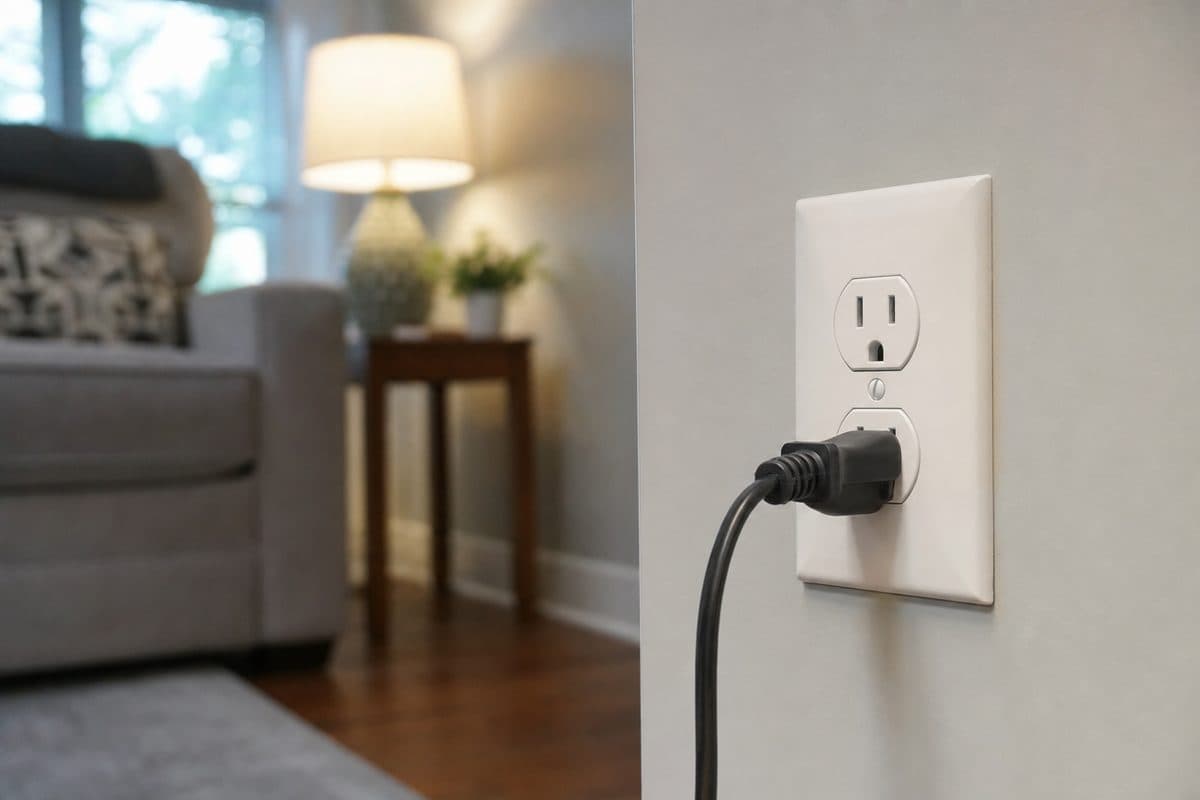
Why Is My Outlet Warm?
A warm outlet can come from heavy use, a failing device, a loose connection, or an overloaded circuit. Knowing which warning signs matter can help you stop using the outlet and request the right kind of electrician help.
Read guide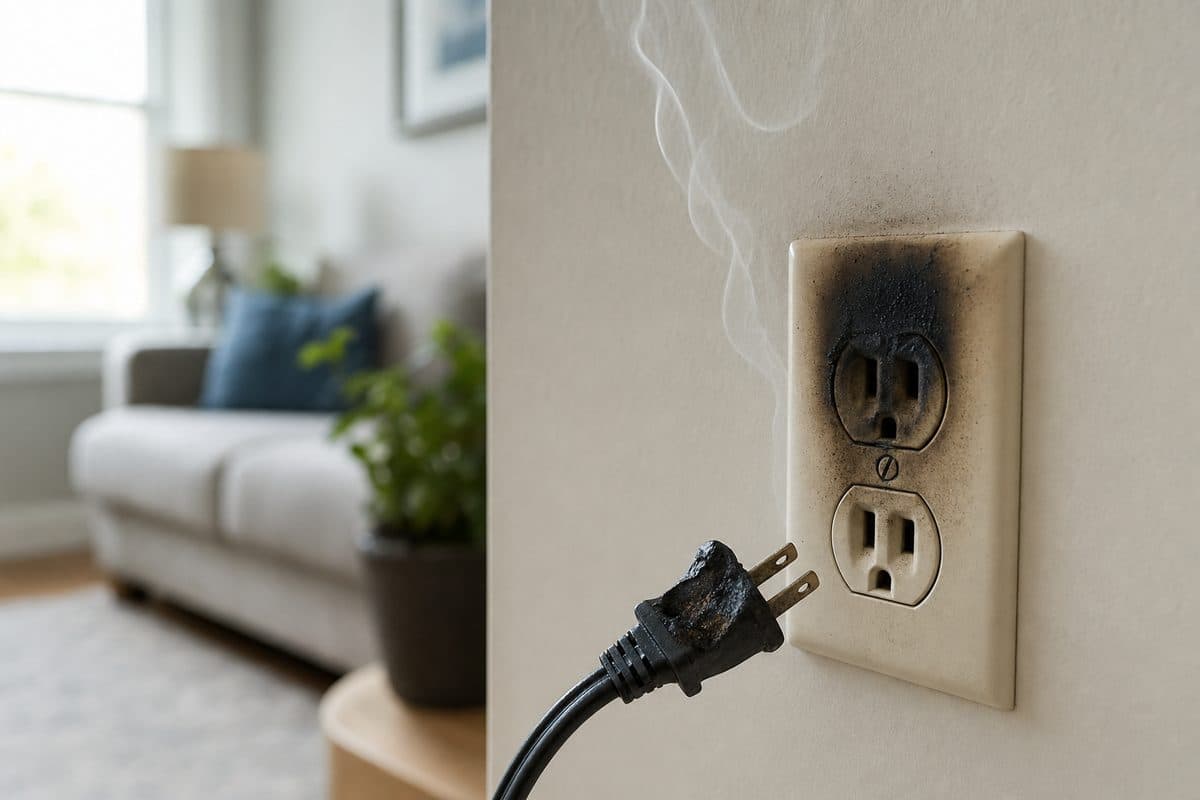
Burning Smell From an Outlet: What to Do
A burning or fishy smell from an outlet can point to overheating or damaged wiring. Stop using the outlet, note what you observed, and request urgent electrician evaluation.
Read guide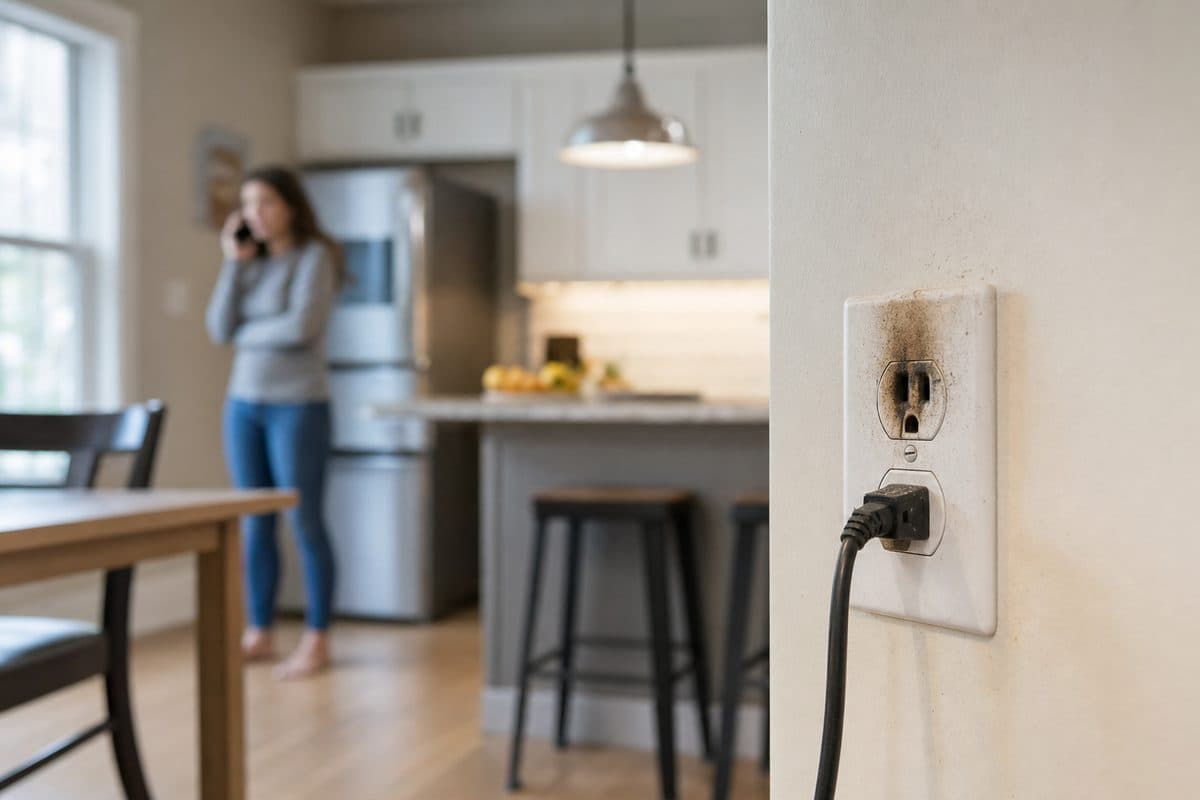
When to Call an Emergency Electrician
Some electrical problems can wait for a scheduled visit; others cannot. Here is how to recognize a true electrical emergency and what to do first.
Read guide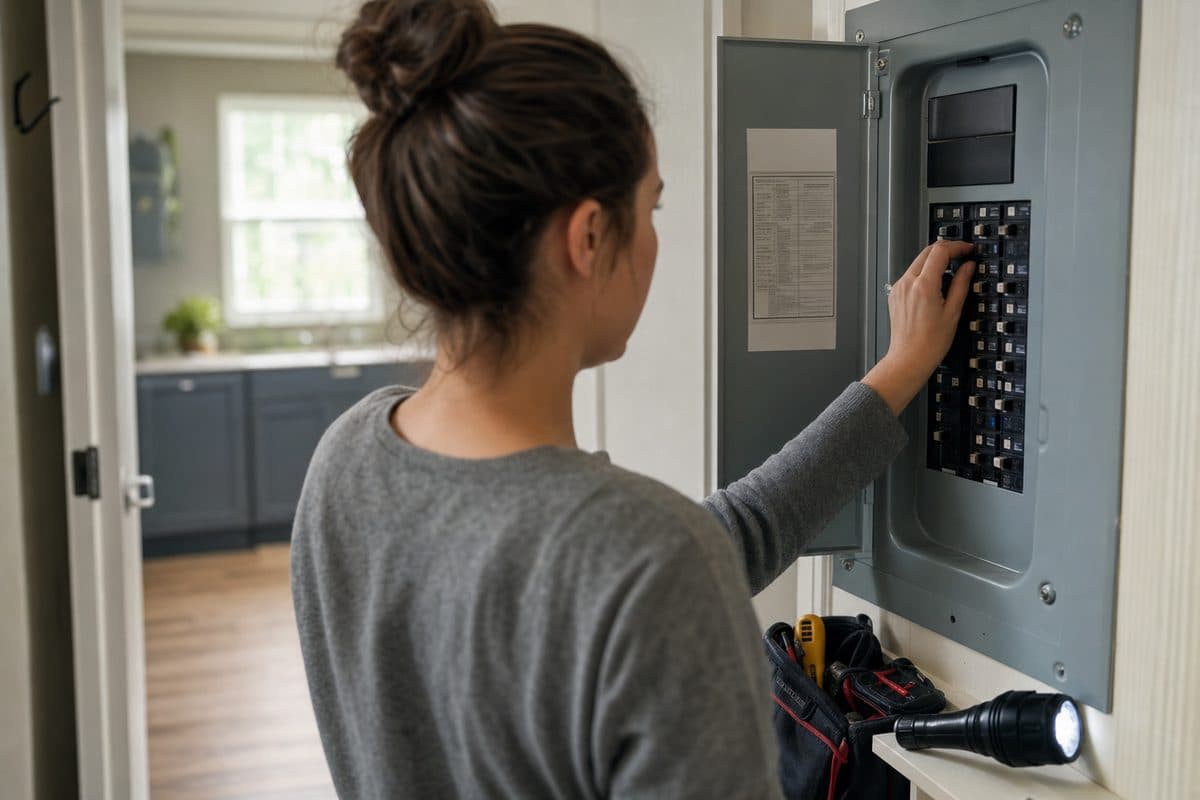
What to Do If a Breaker Keeps Tripping
A tripping breaker is doing its job, but one that trips again and again is telling you something. Here is what is safe to check and when to get help.
Read guideNeed emergency help in Oregon?
Call ElectricianQuotes to connect with help for repairs, panels, breakers, outlets, switches, lighting, EV chargers, inspections, wiring, and more.
Call (833) 962-0486 to talk through the electrical problem and check electrician availability.