Wisconsin Surge Protection
Whole Home Surge Protection in Wisconsin
Whole-home surge protection adds a surge protective device at the electrical service or panel as one layer of protection for connected equipment. Device selection and placement depend on the service, panel, grounding and bonding, available connections, and manufacturer instructions. In Wisconsin, start by describing what you see or what you want to change so the request can be matched to the right electrical scope.
- Electrician help across Wisconsin
- Help for repairs and electrical projects
- Call or check availability online
Updated July 26, 2026
Understanding whole home surge protection in Wisconsin
Whole-home surge protection adds a surge protective device at the electrical service or panel as one layer of protection for connected equipment. Device selection and placement depend on the service, panel, grounding and bonding, available connections, and manufacturer instructions. The useful first step is to separate the visible symptom or project goal from the diagnosis that requires an electrician's evaluation.
For a Wisconsin project, confirm the service scope, the authority that applies to the address, site access, and any utility coordination before comparing proposals. The questions below identify what to verify without inventing a state rule that has not been sourced.
Start with the electrical service and equipment you want to protect
Share the service and panel type, sensitive equipment, existing surge devices, recent damage or outage history, and whether data, communications, solar, storage, or generator systems also need coordination.
What is happening
You want panel-level surge protection added
First call or action
Call ElectricianQuotes to review the service, panel, and device options(833) 962-0486Why
The electrician can verify equipment compatibility, connection location, breaker or mounting needs, conductor routing, grounding and bonding, and device indication.
What is happening
A panel is being replaced or upgradedFirst call or action
Call ElectricianQuotes to include surge protection in the panel scope(833) 962-0486Why
The device and connection can be coordinated with the selected panel, service arrangement, equipment ratings, and inspection plan.
What is happening
Electronics or appliances were damaged after an outage or stormFirst call or action
Call ElectricianQuotes for electrical evaluation and surge-protection planning(833) 962-0486Why
The service, panel, grounding and bonding, affected circuits, visible damage, and existing protection should be evaluated before a device is added.
What is happening
An existing surge device shows a fault or no protection indication
First call or action
Call ElectricianQuotes to inspect and replace the affected device when needed(833) 962-0486Why
The indicator, device condition, connection, breaker, service or panel state, and manufacturer replacement guidance should be checked.
What is happening
The property has solar, battery storage, a generator, or EV charging equipment
First call or action
Call ElectricianQuotes to coordinate protection across the connected systems(833) 962-0486Why
Each power path and equipment group may have its own protection, grounding, bonding, communication, and manufacturer requirements.
What is happening
The panel, surge device, wiring, or nearby equipment is hot, buzzing, sparking, scorched, or smells burnedFirst call or action
Keep clear and call ElectricianQuotes for prompt evaluation(833) 962-0486Why
The current fault needs diagnosis before the project is treated as a straightforward surge-device installation.
What is happening
There is active fire, visible smoke, or a serious electrical injury
First call or action
Leave the area and contact emergency servicesWhy
This is an immediate emergency rather than a surge-protection project.
What whole-home surge protection can include
The quote should identify the device, connection point, service and panel work, grounding and bonding observations, related systems, indicators, testing, documentation, and replacement process.
Service or panel surge device
The device type, equipment compatibility, mounting, breaker or connection, conductor routing, enclosure, labels, indicator visibility, and testing should be specified.
Panel and service coordination
Panel condition, available connections, service arrangement, grounding and bonding, existing faults, and planned panel work may affect installation.
View related guidanceLayered equipment protection
Panel-level protection and listed point-of-use protection can address different exposure paths; the quote should distinguish included equipment from owner-supplied devices.
Generator, solar, storage, and EV systems
Connected power equipment may need coordinated protection at its own circuits, controls, communications, and manufacturer-defined connection points.
View related guidanceCommunications and low-voltage paths
Internet, cable, antenna, phone, security, and other conductive paths may require separate equipment and the appropriate specialist or service provider.
Existing-device replacement
A failed, damaged, obsolete, or no-longer-indicating device may need replacement along with evaluation of its connection and the event that preceded failure.
View related guidanceWisconsin planning and verified guidance
Requirements can vary by project address and scope. Use these planning questions to identify the right authority, utility, access needs, and proposal details before work begins.
Questions to confirm for the project address
- Which state or local authority applies to whole home surge protection at the project address in Wisconsin?
- Which licensing or credential authority applies to the work in Wisconsin?
- Which authority handles permits and inspections for the project address?
- Which utility delivers power to the property, and where is its equipment-ownership boundary?
- What site access, existing equipment, and restoration work can affect the project scope?
- Does the work involve utility-owned equipment, customer-owned equipment, or both?
Common issues connected to whole home surge protection
Choose the symptom that most closely matches what you are seeing. Each guide explains useful observations and the service that may fit.


Budgeting for whole home surge protection in Wisconsin
The table is a national planning reference, not a state-specific quote. The final price depends on diagnosis, access, materials, permits, and the work required.
Whole-home surge protection cost depends on the device chosen and whether it's installed alone or alongside other panel work.
Surge device rating and features
Whether it's bundled with other panel work
Panel condition and available space
Any point-of-use protection added
| Scope | Typical range | What it usually involves |
|---|---|---|
| Panel surge device (installed) | $350-$875 | A surge protective device at the panel |
| Device + minor panel work | $500-$1,300 | Installed alongside other panel work |
| Layered protection | $800-$2,300 | Panel device plus point-of-use protectors |
Cost ranges are estimates developed from standardized project scopes and reviewed pricing inputs. Government labor and regional cost data are used where applicable. See our Pricing Methodology for the exact sources, calculations, and review date. Actual prices vary by property, scope, materials or equipment, location, and provider.
How surge protection installation should proceed
The electrician should review the service, panel, grounding and bonding, connected systems, and protection goals before selecting and installing the device.
- 1
Inventory the protection goal
Identify important equipment, recent events or damage, existing surge devices, and all electrical and communication systems that enter or leave the property.
- 2
Inspect the electrical system
Review the service and panel arrangement, equipment condition, available connection, grounding and bonding, conductor route, and planned upgrades.
- 3
Select the protection layers
Choose compatible service or panel protection and identify any point-of-use, specialty-system, or communications protection outside that scope.
- 4
Define installation details
Specify the device, connection, breaker or mounting, conductor route, enclosure, access, approvals, labels, indicator visibility, and restoration.
- 5
Install and document
Complete the approved electrical work, label the equipment, record the model and installation date, and provide manufacturer and warranty information.
- 6
Verify and hand off
Check the device indication and relevant electrical work, then explain normal status, periodic visual checks, replacement indicators, and warranty steps.
Before you hire: what to ask
Compare surge-protection quotes by device and connection, service and panel scope, grounding and bonding observations, related systems, documentation, and warranty.
- Which surge protective device and installation point are included?
- How was compatibility with the service, panel, and connected systems determined?
- Are a breaker, mounting equipment, conductors, enclosure, labels, or panel changes included?
- What grounding, bonding, service, panel, or existing-damage observations are included in the scope?
- Are point-of-use, solar, storage, generator, EV, communication, or low-voltage protection included or excluded?
- Are permits, inspection, utility coordination, access, cleanup, and restoration included when required?
- How will the installation and device indication be verified and documented?
- What product warranty, connected-equipment terms, replacement indicator, and installer warranty apply?
- What equipment most needs protection?
- Is your area prone to storms or lightning?
- Are you combining this with other panel work?
- Do you want layered (panel plus point-of-use) protection?
Get connected with surge protection help in Wisconsin
Call ElectricianQuotes or check availability online for help with your electrical project.
Common questions about whole home surge protection in Wisconsin
How should I start planning whole home surge protection in Wisconsin?
Start with the main decision: What service-panel surge protection and layered equipment protection fit the home? Describe the affected equipment or project goal, when the issue began, and any visible warning signs before requesting availability.
What should I confirm before hiring for whole home surge protection in Wisconsin?
Confirm the proposed scope, who will perform the work, which permit or inspection authority applies to the project address, and which surge protective device and installation point are included?.
What information helps with a whole home surge protection request in Wisconsin?
Share the property location, the equipment or area involved, and the clearest description of the need, such as i want to protect against power surges. Photos of visible equipment labels or damage can also help when they can be taken without approaching energized parts.
Is whole-home surge protection worth it?
For homes with valuable electronics, appliances, and smart-home gear, especially in storm-prone areas, panel-level surge protection adds a meaningful first layer of defense against voltage spikes. An electrician can advise based on your situation.
Does it replace power strips with surge protection?
No. Whole-home protection handles larger surges at the panel, while point-of-use protectors guard your most sensitive devices. The two work best together as layered protection.
Will it stop lightning damage?
It helps reduce surge damage, but no device can guarantee protection against a direct lightning strike. It's risk reduction, not a guarantee.
How is it installed?
A surge protective device is connected at the electrical panel by a qualified electrician. It's often added during other panel work.
Sources and editorial review
Updated July 26, 2026. Service guidance is checked against the safety and consumer sources below. When this page makes a state-specific statement about licensing, permits, or inspections, the supporting primary source is included here.
Whole Home Surge Protection by city in Wisconsin
Browse city-specific pages for whole home surge protection across Wisconsin.
Related electrical services in Wisconsin


Guides
Wisconsin surge protection guides
Plain-English guides to help you plan surge protection work and compare quotes with confidence.
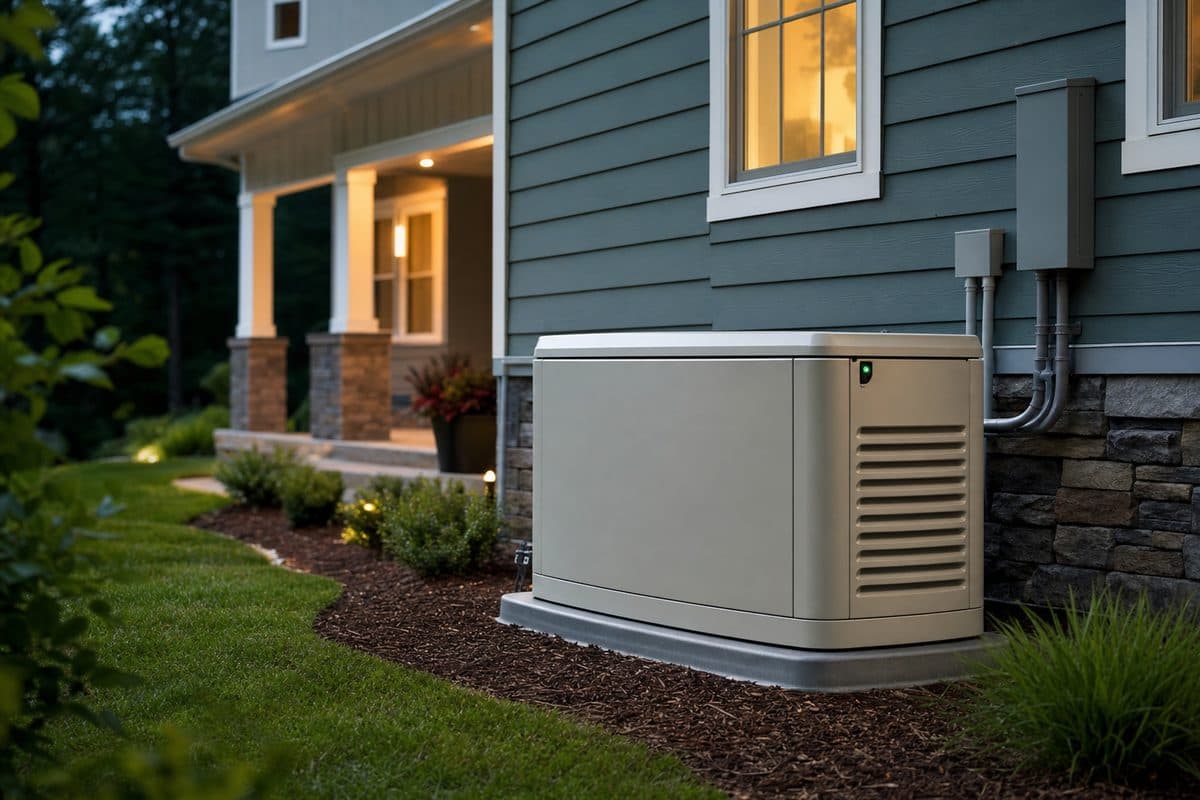
What to Know About Generator Installation
A backup generator keeps essentials running during an outage. Here is what to understand about types, sizing, transfer switches, and safe installation.
Read guide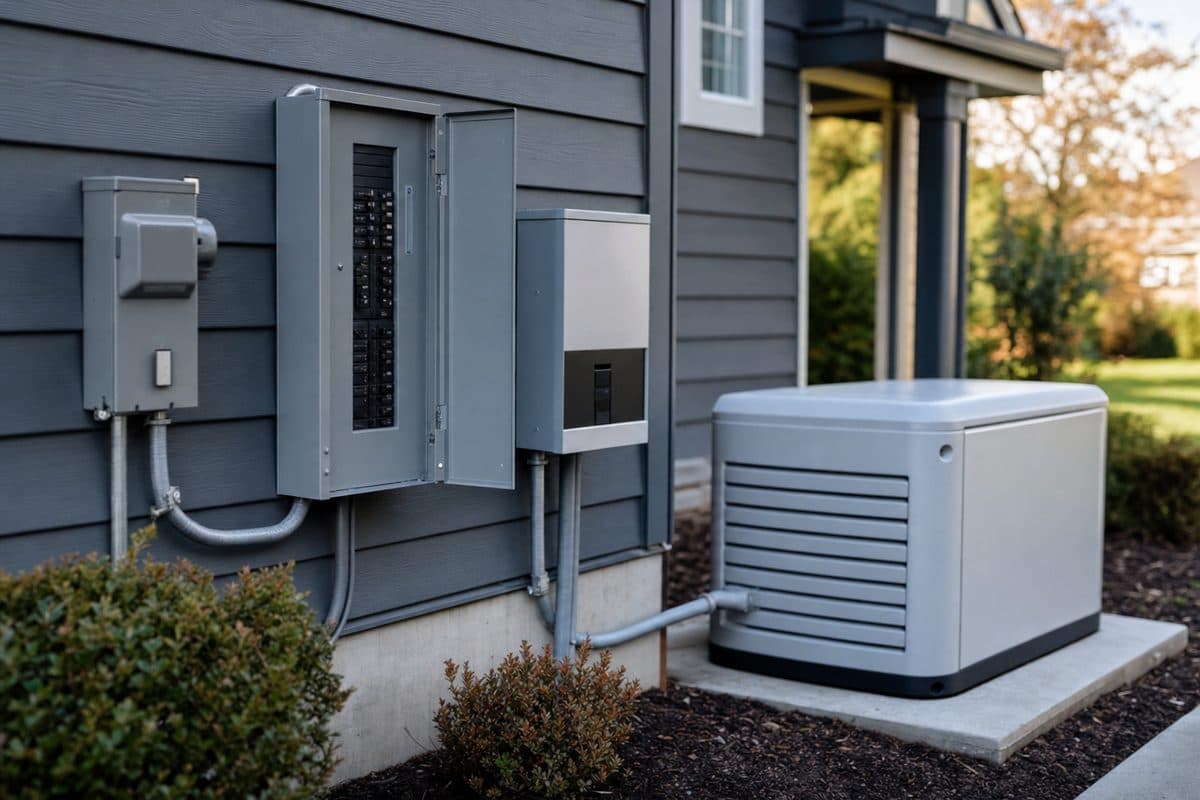
Do You Need a Panel Upgrade Before Installing a Generator?
Backup power and the panel are connected. Here is when a panel upgrade comes before the generator, and how to plan the two together.
Read guide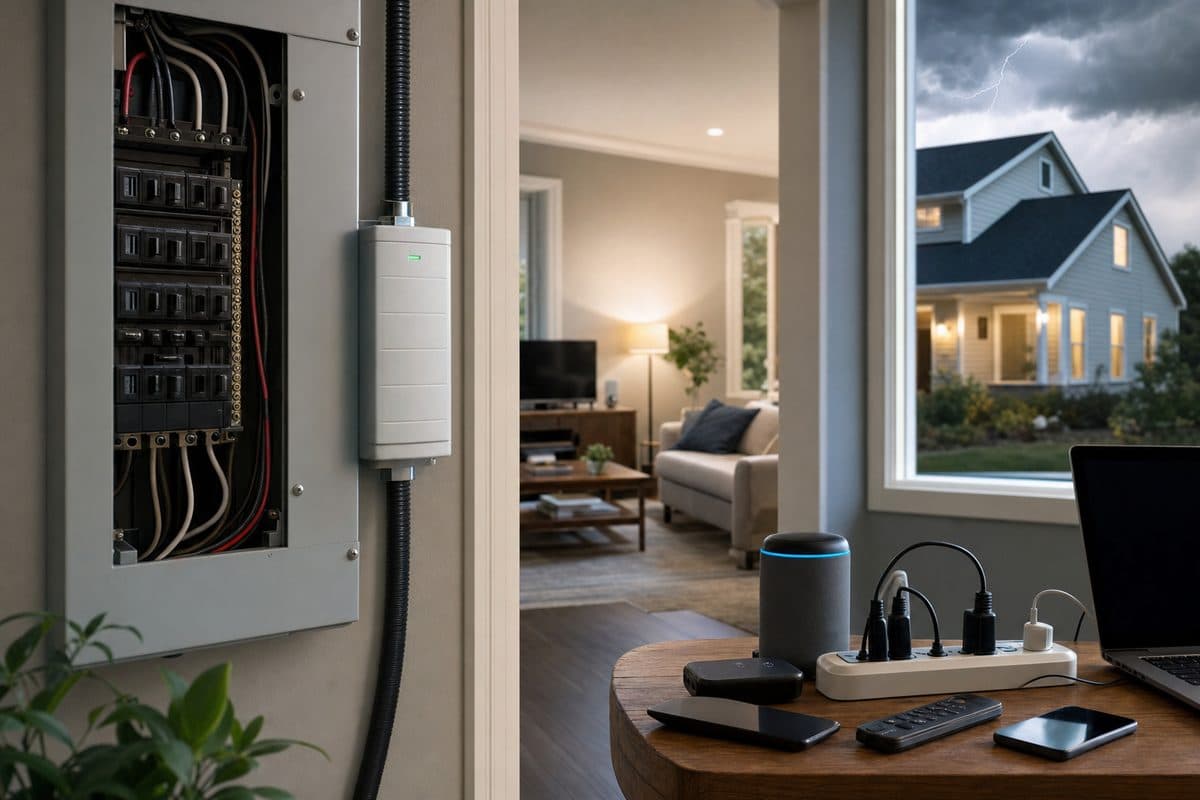
Whole Home Surge Protection Explained
Power strips protect one device; whole-home surge protection guards your entire electrical system. Here is how it works and what it does not cover.
Read guideNeed surge protection help in Wisconsin?
Call ElectricianQuotes to connect with help for repairs, panels, breakers, outlets, switches, lighting, EV chargers, inspections, wiring, and more.
Call (833) 962-0486 to talk through the electrical problem and check electrician availability.