Knoxville, TN Generators
Generator Installation in Knoxville, TN
A generator project starts with the loads you want to support, the generator type, the transfer method, and the property conditions. Portable and permanently installed systems have different equipment, fuel, placement, trade, and operating requirements. In Knoxville, start with the affected equipment or project goal so the request can be matched to the right electrical scope without assuming a diagnosis.
- Electrician help around Knoxville
- Help for repairs and electrical projects
- Call or check availability online
Updated July 26, 2026
Understanding generator installation in Knoxville
A generator project starts with the loads you want to support, the generator type, the transfer method, and the property conditions. Portable and permanently installed systems have different equipment, fuel, placement, trade, and operating requirements. A useful first description for a Knoxville, TN request is i want backup power for outages; an electrician can then evaluate the condition, access, and appropriate scope.
Local requirements in Knoxville, TN depend on the project address and work. Confirm the responsible authority, serving utility, equipment details, access, and proposal assumptions instead of applying a rule or diagnosis from another location.
Start with the loads you want available during an outage
List the equipment that matters during an outage and whether it must run at the same time. Then identify whether you are considering a portable generator, a permanent standby system, or an existing unit that needs a safe home connection.
What is happening
You want a safe connection for a portable generator
First call or action
Call ElectricianQuotes to plan the inlet and transfer equipment(833) 962-0486Why
The generator output, intended loads, connection point, transfer method, cable reach, operating location, and panel arrangement should be coordinated.
What is happening
You are planning a permanent standby generator
First call or action
Call ElectricianQuotes to define the electrical scope and trade coordination(833) 962-0486Why
Generator size, transfer equipment, backed-up loads, service arrangement, placement, fuel work, controls, permits, and startup responsibilities should be planned together.
What is happening
You only need selected essential circuits during outages
First call or action
Call ElectricianQuotes to build a priority-load plan(833) 962-0486Why
A selected-load design can identify the circuits, starting loads, load controls, transfer equipment, and operating limits that belong in the proposal.
What is happening
You want broad or whole-property backup
First call or action
Call ElectricianQuotes for load and service planning(833) 962-0486Why
The electrical load profile, equipment starting demands, service arrangement, load management, generator capacity, and transfer equipment require site-specific evaluation.
What is happening
An existing generator runs but does not power the intended circuitsFirst call or action
Call ElectricianQuotes for generator-connection and transfer diagnosis(833) 962-0486Why
The generator output, inlet or feeder, transfer equipment, breakers, controls, wiring, and selected-load panel may need evaluation.
What is happening
Existing generator equipment, an inlet, transfer switch, or wiring is damaged, hot, buzzing, or scorchedFirst call or action
Keep the system out of use and call ElectricianQuotes(833) 962-0486Why
The electrical connection and affected equipment should be evaluated before another outage or test run.
What is happening
The neighborhood is without utility power
First call or action
Check the utility outage page while using only the generator system as designedWhy
The utility can provide restoration information; generator electrical repairs are a separate service path.
What is happening
There is active fire, visible smoke, or a serious electrical injury
First call or action
Leave the area and contact emergency servicesWhy
This is an immediate emergency rather than a generator installation visit.
What generator installation can include
The proposal should connect the backup goal to a defined generator, transfer method, electrical source and loads, equipment locations, controls, approvals, testing, and trade responsibilities.
Portable-generator connection
A power inlet, transfer equipment, panel or selected-load work, generator cable, labels, operating plan, and testing may be included.
View related guidancePermanent standby system
The project can include generator electrical connections, transfer equipment, feeders, controls, batteries or accessories, load management, startup coordination, and documentation.
View related guidanceSelected backup circuits
Critical lighting, refrigeration, pumps, communications, heating controls, medical or accessibility needs, and other priorities should be identified with their operating limits.
Capacity and load management
Running and starting loads, service size, panel arrangement, managed loads, simultaneous use, and future plans can shape the generator and transfer design.
View related guidancePlacement and route coordination
Generator and transfer-equipment locations, clearances, access, exterior routes, trenching, weather exposure, noise considerations, and restoration should be assigned.
Fuel and equipment coordination
Generator supply, fuel type and capacity, gas or fuel work, concrete pad, equipment delivery, electrician scope, commissioning, and warranties should have named owners.
Knoxville service planning
The city-specific statements below are limited to current source-backed records. Confirm how each record applies to the exact address and scope.
A useful starting scenario in Knoxville
The clearest starting point in Knoxville, Tennessee is the observable condition or planned use, followed by the constraints an on-site evaluation still needs to resolve. One useful scenario to describe is: Storm-prone regions where outages are common. The final scope still depends on access, condition, and testing.
Use "Selected backup circuits" as a decision point and ask what evaluation is needed before that option is confirmed. Before the appointment, use this non-invasive observation: Generator make, model, output, fuel type, manual, and accessories if equipment has already been selected. Do not remove covers or open equipment.
The provider should describe how this step leads to the stated scope, exclusions, and next decision: Verify normal utility operation, generator operation, transfer behavior, backed-up loads, load management, shutdown, and the owner operating procedure. Keep the address associated with Knoxville, Tennessee; the supported guides for Cleveland, Asheville, Kingsport are useful only when the actual service location belongs on one of those routes.
Use this as a written comparison point: Do you want automatic startup? Then confirm the expected deliverable: The transfer switch and generator are installed, with permits as required. This keeps the Knoxville request focused on a useful customer decision instead of unsupported local assumptions.
One more useful comparison point for Knoxville is the relationship between this need, "A desire for automatic, whole-home backup power", and this scope driver, "The project can include generator electrical connections, transfer equipment, feeders, controls, batteries or accessories, load management, startup coordination, and documentation". The proposal should explain that relationship.
For this Knoxville, Tennessee request, keep a separate record of the choice "Capacity and load management". Ask how the provider's step "Define your needs" supports that choice and how the answer will appear in the quote.
The final Knoxville, Tennessee scope note should pair the requested outcome "I want backup power for outages" with the factor "Critical lighting, refrigeration, pumps, communications, heating controls, medical or accessibility needs, and other priorities should be identified with their operating limits". Use "Which generator, inlet, transfer equipment, panels, controls, cables, and accessories are included?" to compare what each provider includes at "Plan the system".
Use one Knoxville, Tennessee request summary for every provider: identify the Knoxville, Tennessee service address, the requested result "Frequent or long power outages in your area", and the scope factor "Running and starting loads, service size, panel arrangement, managed loads, simultaneous use, and future plans can shape the generator and transfer design". Keeping that same generator installation summary with each proposal makes differences in evaluation, included work, exclusions, and change approval easier to see. If the actual property belongs in Cleveland, Asheville, Kingsport, use that supported city guide before requesting the quote.
Verified local records
The City of Knoxville Plans Review & Inspections Department administers permit applications, inspections, licensing, and plan review for work within the city.
The city provides online permit, record-search, and inspection-scheduling services.
Knoxville guidance states that regulated electrical installation, alteration, repair, removal, conversion, or replacement generally requires an application and permit.
The city directs applicants to request the appropriate inspections before newly installed electrical equipment or wiring is covered.
KUB provides an outage map, mobile reporting, and a telephone outage-reporting option.
Questions to confirm for the address
- Which authority handles permits and inspections for the project address in Knoxville?
- Which utility delivers electricity to the property in Knoxville?
- What equipment, access, circuit route, and finish restoration affect the service scope?
- Which service-specific state facts and nearby location links help plan the next step?
- What equipment specifications, access limits, circuit route, and finish restoration should the Knoxville proposal identify?
- Is the project actually in Knoxville, or should its local planning be checked on the supported Cleveland or Asheville service page?
Tennessee context to confirm
These state-level statements come from the cited current records and should still be applied to the actual project scope.
Tennessee electrical licensing operates at both state and local levels, so the project location affects which requirements apply.
The Tennessee Board for Licensing Contractors regulates contractors and Limited Licensed Electricians.
Tennessee state contractor-license requirements depend on project scope and total project cost.
Tennessee provides a public search for contractor and Limited Licensed Electrician credentials, including status and expiration information.
In Tennessee, project location determines whether electrical permits and inspections are handled by the state program or a local authority.
The Tennessee electrical inspection program issues permits and performs inspections in areas served by the state program.
- Which state-level requirements apply to generator installation at this address in Tennessee?
- Which licensing or credential authority applies to the work in Tennessee?
- Which authority handles permits and inspections for the project address?
- Which utility delivers power to the property, and where is its equipment-ownership boundary?
- What site access, existing equipment, and restoration work can affect the project scope?
Common issues connected to generator installation
Choose the symptom that most closely matches what you are seeing. Each guide explains useful observations and the service that may fit.


Budgeting for generator installation in Knoxville
The table is a national planning reference, not a city-specific quote. The final price depends on diagnosis, access, materials, permits, and the work required.
Generator cost ranges widely between a portable setup with a manual transfer switch and a permanent standby generator with automatic transfer.
Portable vs. permanent standby
Generator size and fuel type
Manual vs. automatic transfer switch
Placement, permits, and fuel hookups
| Scope | Typical range | What it usually involves |
|---|---|---|
| Portable + manual transfer switch | $1,500-$4,250 | Essentials backup |
| Standby generator (smaller) | $6,000-$14,000 | Automatic backup for key circuits |
| Whole-home standby + automatic | $12,000-$28,500 | Full-home automatic backup |
Cost ranges are estimates developed from standardized project scopes and reviewed pricing inputs. Government labor and regional cost data are used where applicable. See our Pricing Methodology for the exact sources, calculations, and review date. Actual prices vary by property, scope, materials or equipment, location, and provider.
How a generator installation should proceed
The project should move from backup priorities and site conditions to an equipment and transfer plan, coordinated installation, functional testing, and a clear operating handoff.
- 1
Define backup priorities
List required and optional loads, simultaneous operation, starting demands, outage goals, manual tasks, and any medical or accessibility priorities.
- 2
Evaluate the electrical system
Review the service, panels, circuits, existing generation or storage, grounding and bonding arrangement, and available equipment locations.
- 3
Select the system approach
Match a portable or standby generator, selected-load or broader backup plan, transfer method, controls, and load management to the verified needs.
- 4
Coordinate site and trade work
Assign generator supply, placement, pad, fuel work, trenching, electrical routes, permits, inspection, startup, finish work, and scheduling.
- 5
Install the approved scope
Complete transfer equipment, inlet or generator feeder, panel and circuit work, controls, labels, accessories, restoration, and documentation.
- 6
Test and hand off
Verify normal utility operation, generator operation, transfer behavior, backed-up loads, load management, shutdown, and the owner operating procedure.
Before you hire: what to ask
Compare generator quotes by backed-up loads, generator and transfer equipment, electrical and fuel scope, site work, controls, approvals, testing, and warranties.
- Which loads and circuits are included, and which are excluded or managed?
- Which generator, inlet, transfer equipment, panels, controls, cables, and accessories are included?
- What load information supports the proposed generator and transfer design?
- Who handles generator supply, placement, pad, fuel work, trenching, delivery, startup, and finish restoration?
- How are solar, storage, EV charging, HVAC, pumps, and other large or controlled loads addressed?
- Are permits, inspection, labels, utility coordination, and commissioning included when required?
- How will normal power, generator power, transfer operation, selected loads, controls, and shutdown be tested?
- What site, fuel, equipment, access, or load condition could change the scope or price?
- Whole-home backup or just essential circuits?
- Portable with a transfer switch, or permanent standby?
- What fuel source and placement work for your property?
- Do you want automatic startup?
Get connected with generator installation help in Knoxville
Call ElectricianQuotes or check availability online for help with your electrical project.
Common questions about generator installation in Knoxville
How should I start a generator installation request in Knoxville?
Start with the main decision: Which loads need backup power, and what generator, transfer equipment, placement, and fuel plan fit them? Describe the affected equipment or project goal, when the issue began, and any visible change. Do not open, remove, or handle electrical equipment to gather more detail.
What local detail should I confirm for generator installation in Knoxville?
Which authority handles permits and inspections for the project address in Knoxville? Requirements can depend on the exact address and work, so the proposal should identify the authority or utility being relied on instead of assuming one rule covers every Knoxville project.
What should a Knoxville generator installation quote explain?
Ask the proposal to define the work, assumptions, materials, and access. It should also answer this comparison question: Are permits, inspection, labels, utility coordination, and commissioning included when required? Compare the described scope as well as the price so differences between proposals are visible.
How does the Tennessee location affect this project?
State and local responsibilities can vary by scope and address. Confirm the current credential, permit, inspection, and utility questions that apply before work begins rather than relying on a rule from another market.
Is there a verified Knoxville detail for this service?
The City of Knoxville Plans Review & Inspections Department administers permit applications, inspections, licensing, and plan review for work within the city. Use the cited official source for the current record and confirm how it applies to the project address and scope.
Sources and editorial review
Updated July 26, 2026. Service guidance is checked against the safety and consumer sources below. When this page makes a city-specific statement about permits, inspections, or utility service, the supporting local source is included here.
- Generators and Engine-Driven ToolsU.S. Consumer Product Safety Commission
- Generator Safety TipsNational Fire Protection Association
- Plans Review & InspectionsCity of Knoxville
- Fast Fact GuidesCity of Knoxville Plans Review and Inspections
- Power Outage GuideKnoxville Utilities Board
- Electrical LicensingTennessee Department of Commerce and Insurance
- Tennessee Board for Licensing ContractorsTennessee Department of Commerce and Insurance
- Contractor License Help and VerificationTennessee Department of Commerce and Insurance
- Electrical, Residential and MarinaTennessee Department of Commerce and Insurance
Nearby cities
Browse generator installation information for nearby covered communities.
View generators across Tennessee


Helpful resources
Helpful generator installation guides
Learn about common issues, costs, and what to expect before requesting service.
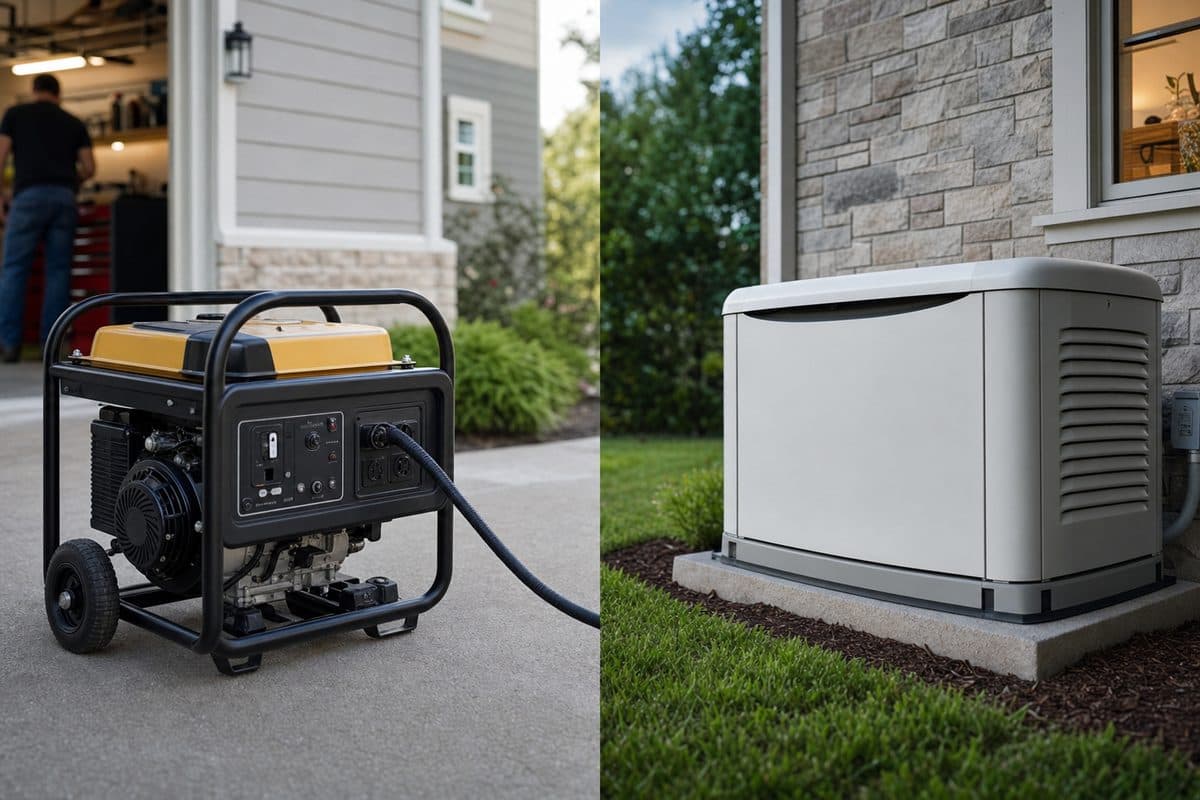
Portable vs Standby Generator: How to Choose
Portable and standby generators solve different backup power needs. Learn the tradeoffs around sizing, fuel, transfer equipment, automation, and carbon monoxide safety before requesting quotes.
Read guide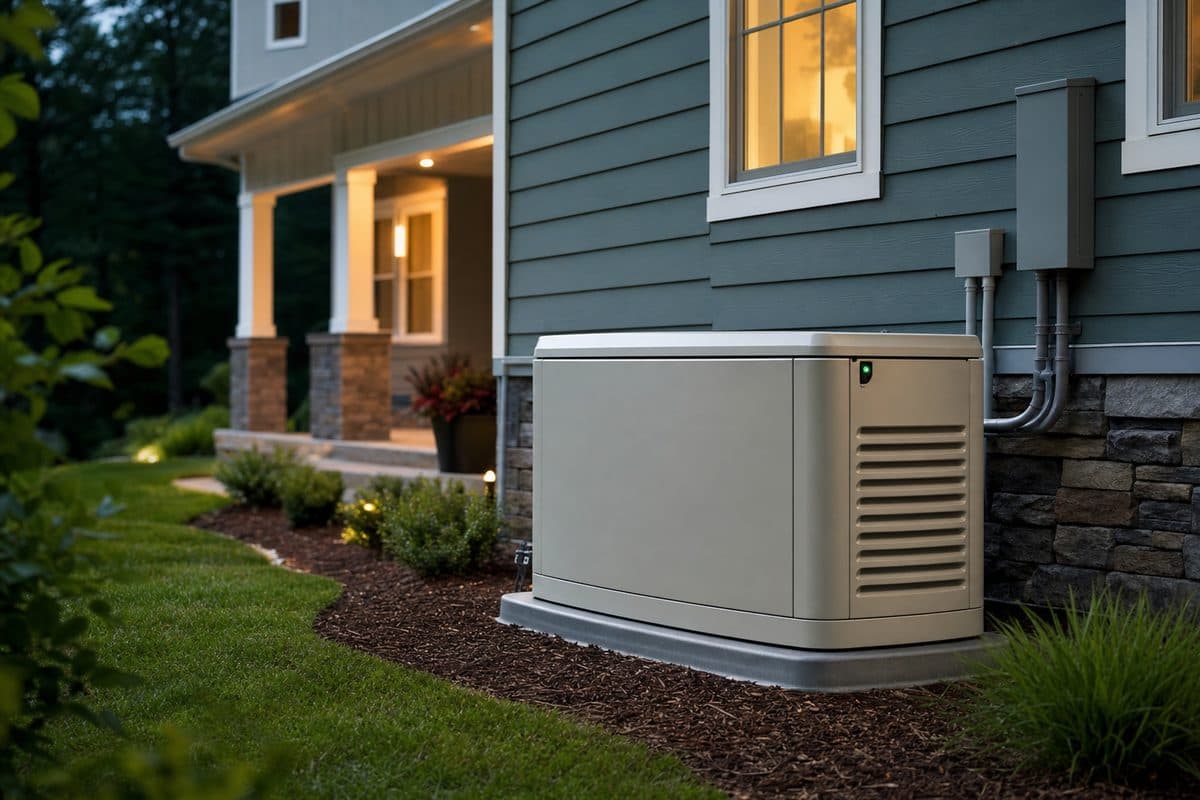
What to Know About Generator Installation
A backup generator keeps essentials running during an outage. Here is what to understand about types, sizing, transfer switches, and safe installation.
Read guide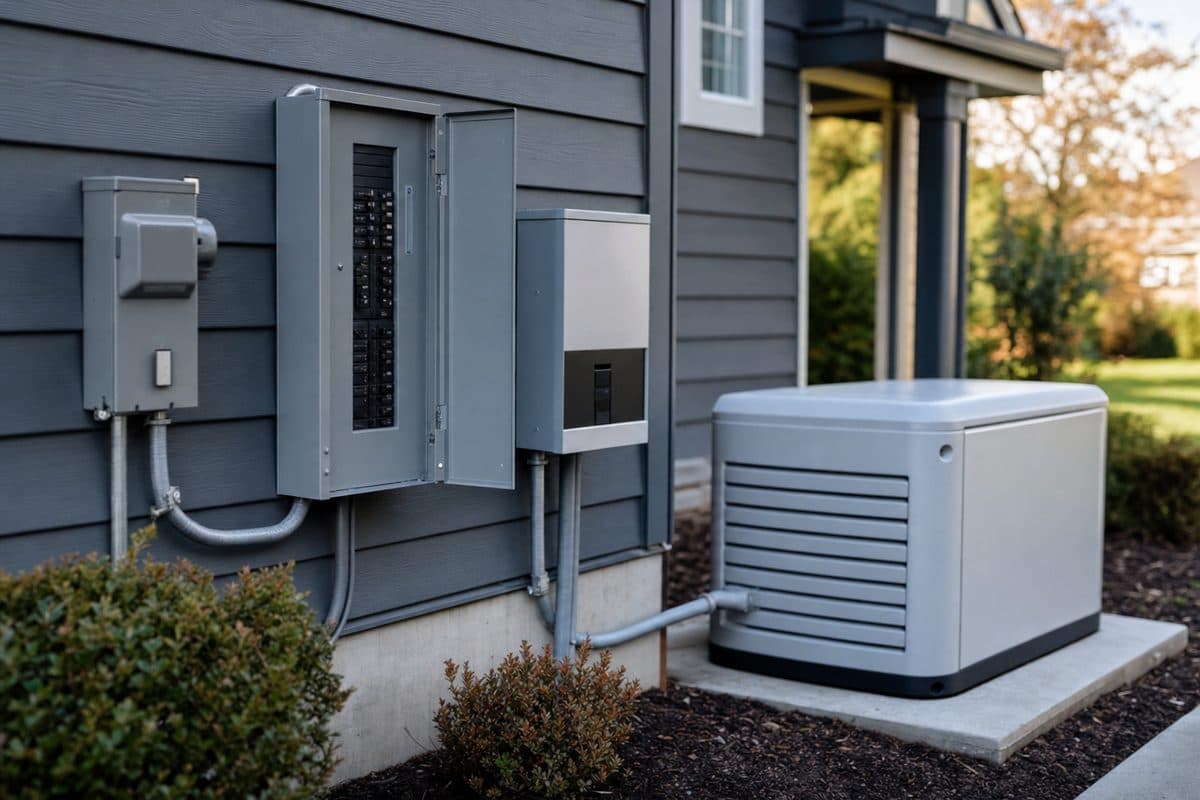
Do You Need a Panel Upgrade Before Installing a Generator?
Backup power and the panel are connected. Here is when a panel upgrade comes before the generator, and how to plan the two together.
Read guideNeed generator installation help in Knoxville?
Call ElectricianQuotes to connect with help for repairs, panels, breakers, outlets, switches, lighting, EV chargers, inspections, wiring, and more.
Call (833) 962-0486 to talk through the electrical problem and check electrician availability.