Hamilton, OH EV Charger Repair
EV Charger Repair in Hamilton, OH
EV charger repair should separate the charging equipment from the branch circuit, vehicle, connector, settings, and network services. Similar symptoms can have very different causes, so diagnosis should come before replacement. In Hamilton, start with the affected equipment or project goal so the request can be matched to the right electrical scope without assuming a diagnosis.
- Electrician help around Hamilton
- Help for repairs and electrical projects
- Call or check availability online
Updated July 26, 2026
Understanding EV charger repair in Hamilton
EV charger repair should separate the charging equipment from the branch circuit, vehicle, connector, settings, and network services. Similar symptoms can have very different causes, so diagnosis should come before replacement. A useful first description for a Hamilton, OH request is charger is not powering on; an electrician can then evaluate the condition, access, and appropriate scope.
Local requirements in Hamilton, OH depend on the project address and work. Confirm the responsible authority, serving utility, equipment details, access, and proposal assumptions instead of applying a rule or diagnosis from another location.
Start with the charging symptom and where it occurs
Note whether the charger has power, begins a session, trips a breaker, disconnects intermittently, or works with another vehicle. Error messages and timing can help narrow the first visit.
What is happening
The charger has no lights, display, or other sign of powerFirst call or action
Call ElectricianQuotes for charger and circuit diagnosis(833) 962-0486Why
The fault may be at the charger, branch circuit, breaker, disconnect, connection, control, or supplied power.
What is happening
The charger powers on but will not start charging the vehicleFirst call or action
Call ElectricianQuotes to separate charger, connector, setting, and vehicle causes(833) 962-0486Why
The charging handshake, connector, charger settings, scheduling, equipment fault, or vehicle may be involved.
What is happening
The breaker or charging protection trips during useFirst call or action
Stop repeated resets and call ElectricianQuotes(833) 962-0486Why
The connected load, charger, circuit, terminations, breaker, protection, settings, or environmental conditions need diagnosis.
What is happening
Charging starts but stops, slows, or disconnects intermittentlyFirst call or action
Call ElectricianQuotes with the timing and error history(833) 962-0486Why
Heat, load management, schedules, network services, connector condition, voltage, charger settings, or vehicle limits may affect the session.
What is happening
The cable, plug, connector, enclosure, or mounting is damaged
First call or action
Stop using the equipment and call ElectricianQuotes(833) 962-0486Why
Physical damage, contamination, water entry, impact, strain, and internal faults can make continued charging unsafe or unreliable.
What is happening
The charger, plug, receptacle, panel, or cable is unusually hot, sparking, scorched, or smells burnedFirst call or action
Stop charging and call ElectricianQuotes for prompt evaluation(833) 962-0486Why
Heat and arcing can involve the charger, connection, receptacle, conductors, breaker, or another part of the charging circuit.
What is happening
There is active fire, visible smoke, or a serious electrical injury
First call or action
Leave the area and contact emergency servicesWhy
This is an immediate emergency rather than a charger repair visit.
What EV charger repair can include
The repair should identify whether the fault is in the charger, circuit, connection, controls, network, or vehicle interface and state what is repaired, replaced, configured, or referred elsewhere.
Power and circuit faults
The breaker, protection, conductors, disconnect, receptacle or hardwired connection, supplied voltage, and terminations may need testing.
View related guidanceRepeated breaker or protection trips
Testing can review the actual charging load, configured current, equipment leakage or fault, circuit condition, protection devices, and environmental factors.
View related guidanceCharger and connector faults
The enclosure, cable, connector, contact condition, control board, indicator, error history, and manufacturer diagnostic path may be involved.
View related guidanceReceptacle and plug problems
A loose, heat-damaged, contaminated, or incompatible receptacle connection may require circuit and equipment evaluation rather than another charging attempt.
View related guidanceSettings, network, and load management
Schedules, current limits, apps, network services, software, energy controls, and shared-charging rules may affect charging without an electrical component failure.
View related guidanceEquipment replacement or upgrade
When repair is unavailable or impractical, the proposal should compare compatible replacement equipment, circuit reuse, mounting, setup, and warranty options.
View related guidanceHamilton service planning
No unsourced city rule is assumed here. Use the planning questions below to identify the authority, utility, access, and project details that apply to the address.
A useful starting scenario in Hamilton
Frame the Hamilton, Ohio request around the customer decision first, then let inspection and testing determine the electrical scope. A provider can evaluate this situation: Charger is not powering on. Repair, installation, inspection, replacement, and planning choices should remain distinct.
The written scope should relate the selected work to this factor instead of presenting a larger repair, replacement, or installation as automatic: A loose, heat-damaged, contaminated, or incompatible receptacle connection may require circuit and equipment evaluation rather than another charging attempt. Before the appointment, use this non-invasive observation: Observe charger indicator lights for any fault signals. Do not remove covers or open equipment.
A practical service-sequence checkpoint is "Separate charger, vehicle, and control causes: Use the manufacturer diagnostic path, known compatibility, settings, schedules, network services, load management, and available comparison tests". The appointment should document what was checked and what remains outside the proposal. Confirm that the property is in Hamilton, Ohio before relying on this planning path; Middletown, Cincinnati, Covington remain separate supported location guides.
The proposal should make this item easy to verify and explain what the customer can expect before, during, and after the visit: What is the estimated time for repair? This keeps the Hamilton request focused on a useful customer decision instead of unsupported local assumptions.
Before the Hamilton appointment, add this project detail to the request: Charging is slower than usual. Then ask how this factor could change the written scope: Schedules, current limits, apps, network services, software, energy controls, and shared-charging rules may affect charging without an electrical component failure.
Add one decision record for Hamilton, Ohio: compare "Repeated breaker or protection trips" with the service step "Explain the repair or replacement path". The written proposal should answer this question: Which charger, circuit, connection, vehicle-interface, setting, and network checks are included?
Finish the Hamilton, Ohio comparison with the service goal "Breaker trips when charging" and the scope factor "When repair is unavailable or impractical, the proposal should compare compatible replacement equipment, circuit reuse, mounting, setup, and warranty options". Ask whether "Repair and verify charging" is included and how the answer to "What fault has been confirmed, and what evidence supports the proposed repair?" changes the proposal.
Use one Hamilton, Ohio request summary for every provider: identify the Hamilton, Ohio service address, the requested result "Fault lights appear on the charger", and the scope factor "Type of problem (electrical or mechanical)". Keeping that same ev charger repair summary with each proposal makes differences in evaluation, included work, exclusions, and change approval easier to see. If the actual property belongs in Middletown, Cincinnati, Covington, use that supported city guide before requesting the quote.
Questions to confirm for the address
- Which utility serves the address, and does the work involve customer-owned equipment, utility-owned equipment, or both?
- Which authority handles permits and inspections for the project address in Hamilton?
- Which utility delivers electricity to the property in Hamilton?
- What equipment, access, circuit route, and finish restoration affect the service scope?
- Which service-specific state facts and nearby location links help plan the next step?
- What equipment specifications, access limits, circuit route, and finish restoration should the Hamilton proposal identify?
Ohio context to confirm
Use these questions to confirm current state responsibilities without turning a general planning point into an unsupported requirement.
- Which state-level requirements apply to ev charger repair at this address in Ohio?
- Which licensing or credential authority applies to the work in Ohio?
- Which authority handles permits and inspections for the project address?
- Which utility delivers power to the property, and where is its equipment-ownership boundary?
- What site access, existing equipment, and restoration work can affect the project scope?
Common issues connected to EV charger repair
Choose the symptom that most closely matches what you are seeing. Each guide explains useful observations and the service that may fit.


Budgeting for EV charger repair in Hamilton
The table is a national planning reference, not a city-specific quote. The final price depends on diagnosis, access, materials, permits, and the work required.
The cost of repairing an EV charger can vary based on the issue and required parts.
Type of problem (electrical or mechanical).
Parts required for repair.
Labor time for diagnosis and repair.
Warranty coverage.
| Scope | Typical range | What it usually involves |
|---|---|---|
| Minor Repair | $150-$375 | Simple fixes or adjustments. |
| Moderate Repair | $350-$875 | Involves some parts replacement. |
| Major Repair | $750-$2,125 | Complex issues requiring significant repairs. |
Cost ranges are estimates developed from standardized project scopes and reviewed pricing inputs. Government labor and regional cost data are used where applicable. See our Pricing Methodology for the exact sources, calculations, and review date. Actual prices vary by property, scope, materials or equipment, location, and provider.
How EV charger diagnosis should proceed
The technician should reproduce or document the symptom, test the electrical supply and charger, separate vehicle or network causes, and verify the completed repair with a charging session.
- 1
Review the symptom history
Record charger and vehicle models, error codes, timing, recent changes, weather or water exposure, settings, and previous charging behavior.
- 2
Inspect the charging equipment
Check the enclosure, cable, connector, mounting, plug or hardwired connection, receptacle, indicators, and visible signs of heat or damage.
- 3
Test the electrical supply
Evaluate the branch circuit, protection, conductors, terminations, disconnect, connection point, supplied voltage, grounding, and charging load as appropriate.
- 4
Separate charger, vehicle, and control causes
Use the manufacturer diagnostic path, known compatibility, settings, schedules, network services, load management, and available comparison tests.
- 5
Explain the repair or replacement path
Identify the confirmed fault, repairable components, manufacturer or warranty involvement, replacement options, and any circuit changes required.
- 6
Repair and verify charging
Complete the agreed work, restore settings and connections, and verify a stable charging session while checking the relevant circuit and charger behavior.
Before you hire: what to ask
Compare EV charger repair quotes by diagnostic scope, confirmed fault, parts or equipment, circuit work, manufacturer involvement, setup, and post-repair testing.
- Which charger, circuit, connection, vehicle-interface, setting, and network checks are included?
- What fault has been confirmed, and what evidence supports the proposed repair?
- Which parts, cables, connectors, receptacles, breakers, wiring, or replacement charger are included?
- Will manufacturer support, warranty, software, account, or app work be handled, and by whom?
- Are mounting, weather sealing, routing, access, cleanup, and finish repairs included?
- Would any permit, inspection, equipment registration, or utility coordination apply to the repair?
- How will the circuit, charger, settings, connector, and an actual charging session be verified?
- What equipment availability, compatibility, site condition, or additional fault could change the scope?
- Is the issue covered under warranty?
- What are the potential repair costs?
- Are there any recurring issues with this model?
- What is the estimated time for repair?
Get connected with EV charger repair help in Hamilton
Call ElectricianQuotes or check availability online for help with your electrical project.
Common questions about ev charger repair in Hamilton
How should I start a ev charger repair request in Hamilton?
Start with the main decision: Is charging failure caused by the vehicle, charger, circuit, connection, settings, or available capacity? Describe the affected equipment or project goal, when the issue began, and any visible change. Do not open, remove, or handle electrical equipment to gather more detail.
What local detail should I confirm for ev charger repair in Hamilton?
Which utility serves the address, and does the work involve customer-owned equipment, utility-owned equipment, or both? Requirements can depend on the exact address and work, so the proposal should identify the authority or utility being relied on instead of assuming one rule covers every Hamilton project.
What should a Hamilton ev charger repair quote explain?
Ask the proposal to define the work, assumptions, materials, and access. It should also answer this comparison question: What are the potential repair costs? Compare the described scope as well as the price so differences between proposals are visible.
How does the Ohio location affect this project?
State and local responsibilities can vary by scope and address. Confirm the current credential, permit, inspection, and utility questions that apply before work begins rather than relying on a rule from another market.
Sources and editorial review
Updated July 26, 2026. Service guidance is checked against the safety and consumer sources below. When this page makes a city-specific statement about permits, inspections, or utility service, the supporting local source is included here.
Nearby cities
Browse EV charger repair information for nearby covered communities.
View ev charger repair across Ohio


Helpful resources
Helpful EV charger repair guides
Learn about common issues, costs, and what to expect before requesting service.
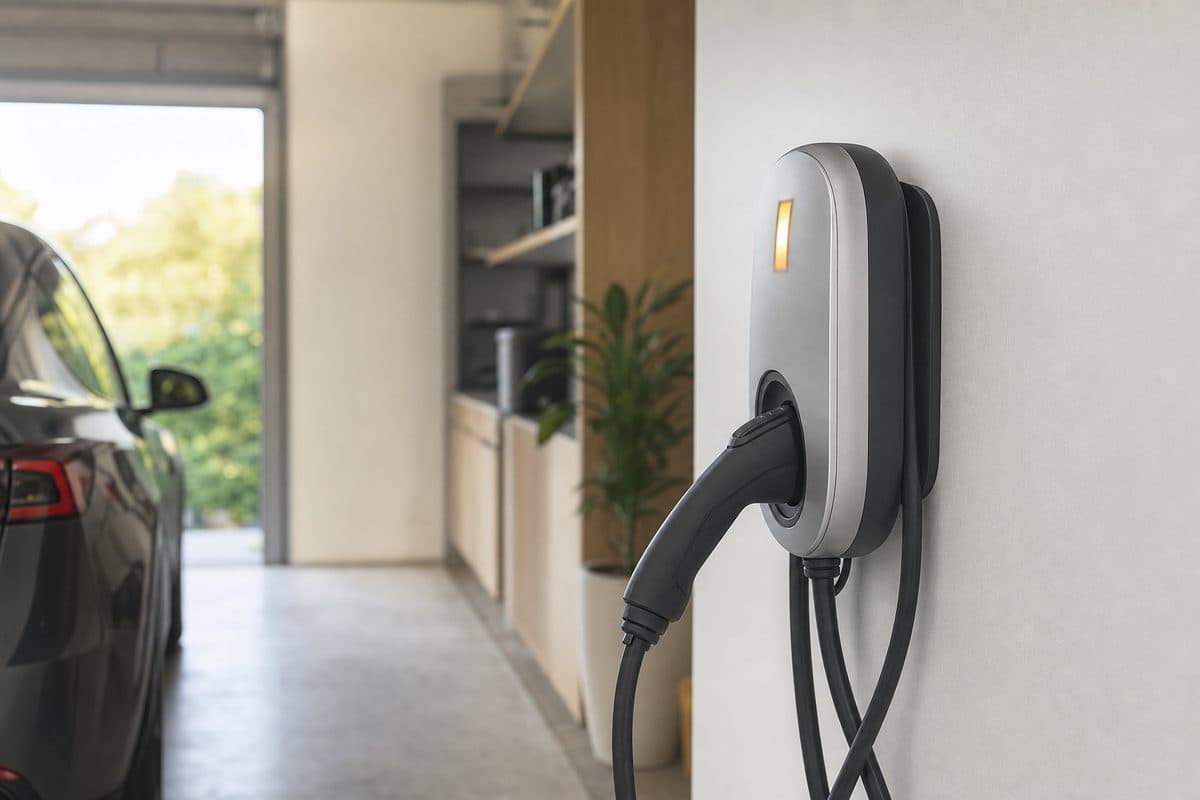
Need EV charger repair help in Hamilton?
Call ElectricianQuotes to connect with help for repairs, panels, breakers, outlets, switches, lighting, EV chargers, inspections, wiring, and more.
Call (833) 962-0486 to talk through the electrical problem and check electrician availability.