Rutland, VT EV Charger
EV Charger Installation in Rutland, VT
A home EV charging project starts with the vehicle, charging equipment, parking location, and the electrical system that will supply it. The charger requirements, circuit, panel capacity, cable route, and connection method should be planned as one project. In Rutland, start with the affected equipment or project goal so the request can be matched to the right electrical scope without assuming a diagnosis.
- Electrician help around Rutland
- Help for repairs and electrical projects
- Call or check availability online
Updated July 26, 2026
Understanding EV charger installation in Rutland
A home EV charging project starts with the vehicle, charging equipment, parking location, and the electrical system that will supply it. The charger requirements, circuit, panel capacity, cable route, and connection method should be planned as one project. A useful first description for a Rutland, VT request is you want faster, reliable Level 2 home charging; an electrician can then evaluate the condition, access, and appropriate scope.
Local requirements in Rutland, VT depend on the project address and work. Confirm the responsible authority, serving utility, equipment details, access, and proposal assumptions instead of applying a rule or diagnosis from another location.
Start with the charger, vehicle, and parking location
Share the charger model, vehicle charging specifications, desired charging location, and manufacturer installation instructions when available. These details help define the electrical work without presuming that one circuit or panel solution fits every home.
What is happening
You have selected a charger and need a new home charging circuit
First call or action
Call ElectricianQuotes to plan the charger and dedicated circuit(833) 962-0486Why
The electrician can match the equipment requirements to the breaker, conductors, connection method, cable route, and available electrical capacity.
What is happening
You are still choosing between charger models or charging speeds
First call or action
Call ElectricianQuotes to compare the electrical requirements(833) 962-0486Why
Different chargers and settings can change the circuit, connection, controls, installation route, and capacity plan.
What is happening
The panel is full or available capacity is uncertainFirst call or action
Call ElectricianQuotes for a panel and load assessment(833) 962-0486Why
Breaker space and available electrical capacity are separate questions. The assessment can compare a standard circuit, load management, and panel-related options.
What is happening
You want to use or add a 240V receptacle for chargingFirst call or action
Call ElectricianQuotes to verify the charger, receptacle, and circuit as a system(833) 962-0486Why
The receptacle, enclosure, circuit, charging load, plug, and manufacturer instructions should be compatible with the actual equipment and location.
What is happening
The charger will be outdoors, far from the panel, or at a detached structure
First call or action
Call ElectricianQuotes to review the route and installation conditions(833) 962-0486Why
Distance, wall or ceiling access, exterior exposure, trenching, equipment rating, network signal, and restoration can materially change the scope.
First call or action
Stop using the affected equipment and call ElectricianQuotes for diagnosis(833) 962-0486Why
The charger, connector, circuit, protection, settings, or vehicle may need evaluation before a new installation is proposed.
What is happening
There is active fire, visible smoke, or a serious electrical injury
First call or action
Leave the area and contact emergency servicesWhy
This is an immediate emergency rather than a planned charging project.
What EV charger installation can include
A complete proposal should identify the charger, electrical source, circuit, route, connection, controls, mounting, approvals, setup, testing, and finish responsibilities.
Charger and circuit planning
The vehicle, charger model, configured charging rate, manufacturer instructions, circuit, protection, conductors, and connection method should be coordinated.
View related guidancePanel and capacity review
The existing service, panel, breaker space, connected loads, charger demand, and possible load-management options may need evaluation.
View related guidanceHardwired charger installation
A hardwired project can include the circuit route, mounting, disconnecting means when applicable, terminations, configuration, labeling, and testing.
Receptacle-connected charging
The equipment plug, receptacle type, box, enclosure, mounting, circuit, continuous charging load, and location should be reviewed together.
View related guidanceOutdoor and detached locations
Equipment suitability, weather exposure, vehicle reach, impact protection, exterior routing, trenching, structures, and surface restoration may be included.
Controls and load management
Configured charging limits, energy-management equipment, network connectivity, apps, schedules, multiple chargers, and future charging plans should be defined.
View related guidanceRutland service planning
No unsourced city rule is assumed here. Use the planning questions below to identify the authority, utility, access, and project details that apply to the address.
A useful starting scenario in Rutland
Keep the first description for Rutland, Vermont focused on the affected area, the timing, and the requested result rather than naming an unconfirmed failure. One useful scenario to describe is: I need help installing an EV charger. The final scope still depends on access, condition, and testing.
The written scope should relate the selected work to this factor instead of presenting a larger repair, replacement, or installation as automatic: Chargers require a dedicated 240-volt circuit Before the appointment, use this non-invasive observation: Note where you want the charger and how far it is from the panel. Do not remove covers or open equipment.
Ask the provider where this step fits in the visit and what information is needed before work is authorized: Review the vehicle, charger, configured charging rate, parking position, cable reach, schedule, and future charging needs. Treat Rutland, Vermont as the location identity for the request, while Vergennes, Barre, Montpelier provide alternative service links only for properties actually in those areas.
The final comparison should answer "Which charger model, charging rate, and manufacturer requirements is the proposal based on?" and cover the expected sequence, exclusions, restoration, and change-approval process. This keeps the Rutland request focused on a useful customer decision instead of unsupported local assumptions.
Keep the Rutland proposal centered on the actual request by noting "You bought or leased an electric vehicle" and asking the provider to address "Older panels may lack capacity or breaker space" in the scope.
Use a second decision line for the Rutland request. It should name "Receptacle-connected charging", identify "Evaluate the electrical source", and explain what the customer receives if that path is selected.
The final Rutland, Vermont scope note should pair the requested outcome "You want faster, reliable Level 2 home charging" with the factor "Charger location may be far from the panel". Use "Is the charger hardwired or receptacle connected, and which circuit equipment is included?" to compare what each provider includes at "Inspect the installation route".
Use one Rutland, Vermont request summary for every provider: identify the Rutland, Vermont service address, the requested result "You're adding a charger in a garage, carport, or driveway", and the scope factor "The vehicle, charger model, configured charging rate, manufacturer instructions, circuit, protection, conductors, and connection method should be coordinated". Keeping that same ev charger installation summary with each proposal makes differences in evaluation, included work, exclusions, and change approval easier to see. If the actual property belongs in Vergennes, Barre, Montpelier, use that supported city guide before requesting the quote.
Questions to confirm for the address
- Where will the equipment be used, how will the circuit reach it, and what physical clearances affect the layout?
- Is the project actually in Rutland, or should its local planning be checked on the supported Vergennes or Barre service page?
- Which authority handles permits and inspections for this ev charger installation scope at the Rutland project address?
- Which utility serves the address, and does the work involve customer-owned equipment, utility-owned equipment, or both?
- Which authority handles permits and inspections for the project address in Rutland?
- Which utility delivers electricity to the property in Rutland?
Vermont context to confirm
Use these questions to confirm current state responsibilities without turning a general planning point into an unsupported requirement.
- Which state-level requirements apply to ev charger installation at this address in Vermont?
- Which licensing or credential authority applies to the work in Vermont?
- Which authority handles permits and inspections for the project address?
- Which utility delivers power to the property, and where is its equipment-ownership boundary?
- What site access, existing equipment, and restoration work can affect the project scope?
Common issues connected to EV charger installation
Choose the symptom that most closely matches what you are seeing. Each guide explains useful observations and the service that may fit.


Budgeting for EV charger installation in Rutland
The table is a national planning reference, not a city-specific quote. The final price depends on diagnosis, access, materials, permits, and the work required.
A home Level 2 EV charger project typically includes the charger, a dedicated 240-volt circuit, and installation labor. Run distance, panel capacity, amperage, equipment, permits, and outdoor protection can move the total substantially.
Distance from panel to charger location
Whether a panel upgrade is required
Charger amperage and hardware
Permits, inspection, and wall/conduit type
| Scope | Typical range | What it usually involves |
|---|---|---|
| Short run with capacity available | $900-$1,900 | Nearby panel, straightforward circuit route, and common charger hardware |
| Typical Level 2 installation | $1,750-$4,250 | Moderate run to a garage, carport, or driveway |
| Long run or capacity work | $3,500-$10,250 | Long routing, load-management equipment, or panel/service work |
Cost ranges are estimates developed from standardized project scopes and reviewed pricing inputs. Government labor and regional cost data are used where applicable. See our Pricing Methodology for the exact sources, calculations, and review date. Actual prices vary by property, scope, materials or equipment, location, and provider.
How an EV charger installation should proceed
The installer should verify the equipment and charging goal, evaluate the electrical system and route, then define and test the complete installation.
- 1
Confirm the charging plan
Review the vehicle, charger, configured charging rate, parking position, cable reach, schedule, and future charging needs.
- 2
Evaluate the electrical source
Check the service, panel, breaker space, capacity, grounding and bonding, existing loads, and any load-management option under consideration.
- 3
Inspect the installation route
Identify indoor and outdoor routing, distance, access, penetrations, trenching, mounting surface, weather exposure, and restoration needs.
- 4
Define the connection and controls
Specify hardwired or receptacle connection, circuit equipment, disconnecting means when applicable, charger settings, network, and energy controls.
- 5
Complete the approved work
Install the circuit, protection, conductors, connection, charger mounting, labels, configuration, and agreed finish work.
- 6
Test and hand off
Verify the circuit and charger, complete a charging session, review settings and app access, and document the installed equipment and configuration.
Before you hire: what to ask
Compare EV charger quotes by equipment, capacity plan, circuit and route, connection method, controls, approvals, finish work, and testing.
- Which charger model, charging rate, and manufacturer requirements is the proposal based on?
- What panel, service, load, and breaker-space assessment is included?
- Is the charger hardwired or receptacle connected, and which circuit equipment is included?
- How will the route, wall or ceiling access, exterior exposure, trenching, and restoration be handled?
- Are load management, charger settings, network connection, app setup, and multiple-vehicle plans included?
- Are permits, inspection, labels, utility coordination, or equipment registration included when required?
- How will the circuit, protection, charger, settings, and an actual charging session be tested?
- What site, capacity, equipment, or access condition could change the scope or price?
- What amperage does your charger need?
- Does your panel have capacity and breaker space?
- How far is the charger from the panel?
- Might you add a second EV charger later?
Get connected with EV charger installation help in Rutland
Call ElectricianQuotes or check availability online for help with your electrical project.
Common questions about ev charger installation in Rutland
How should I start a ev charger installation request in Rutland?
Start with the main decision: Which charger, charging rate, circuit, cable route, and capacity plan fit the vehicle and property? Describe the affected equipment or project goal, when the issue began, and any visible change. Do not open, remove, or handle electrical equipment to gather more detail.
What local detail should I confirm for ev charger installation in Rutland?
Where will the equipment be used, how will the circuit reach it, and what physical clearances affect the layout? Requirements can depend on the exact address and work, so the proposal should identify the authority or utility being relied on instead of assuming one rule covers every Rutland project.
What should a Rutland ev charger installation quote explain?
Ask the proposal to define the work, assumptions, materials, and access. It should also answer this comparison question: What amperage does your charger need? Compare the described scope as well as the price so differences between proposals are visible.
How does the Vermont location affect this project?
State and local responsibilities can vary by scope and address. Confirm the current credential, permit, inspection, and utility questions that apply before work begins rather than relying on a rule from another market.
Sources and editorial review
Updated July 26, 2026. Service guidance is checked against the safety and consumer sources below. When this page makes a city-specific statement about permits, inspections, or utility service, the supporting local source is included here.
Nearby cities
Browse EV charger installation information for nearby covered communities.
View ev charger across Vermont


Helpful resources
Helpful EV charger installation guides
Learn about common issues, costs, and what to expect before requesting service.
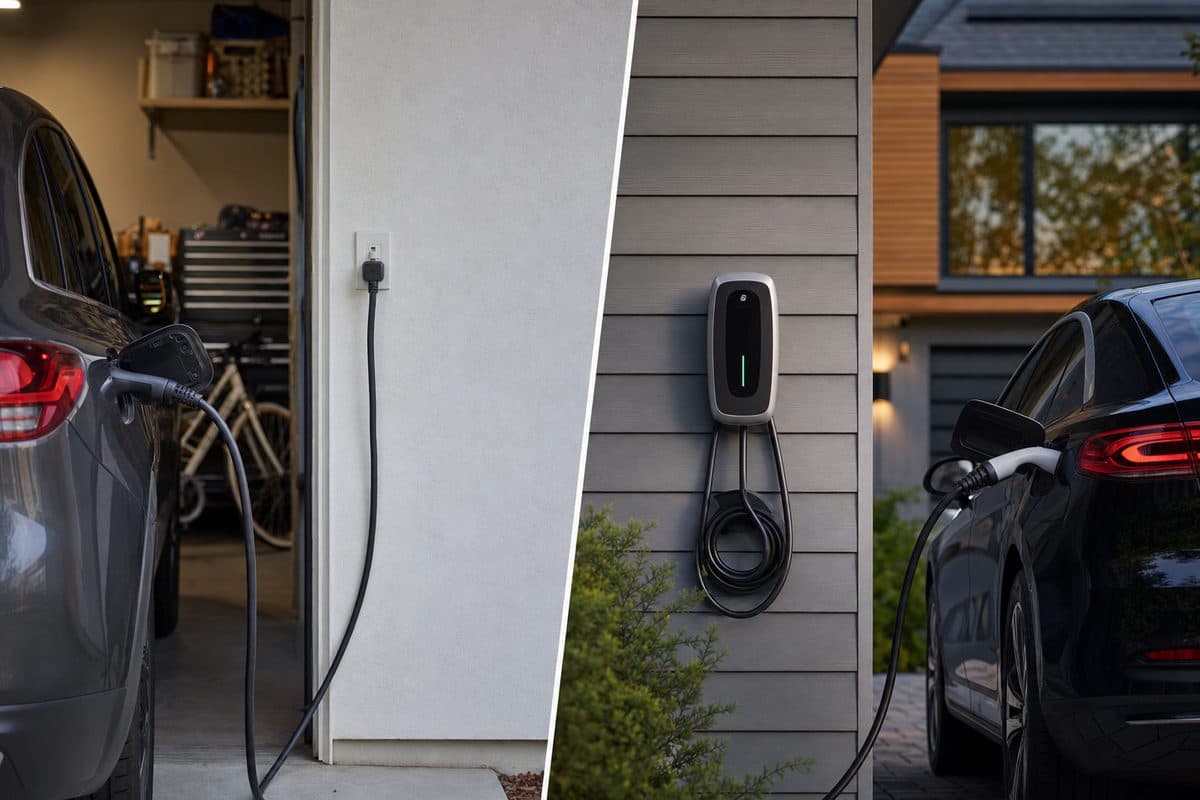
Level 1 vs Level 2 EV Charger: Which Do You Need?
Level 1 and Level 2 home EV charging differ in speed, power source, and installation needs. Here is how to compare fit, electrical capacity, and what to expect when requesting quotes.
Read guide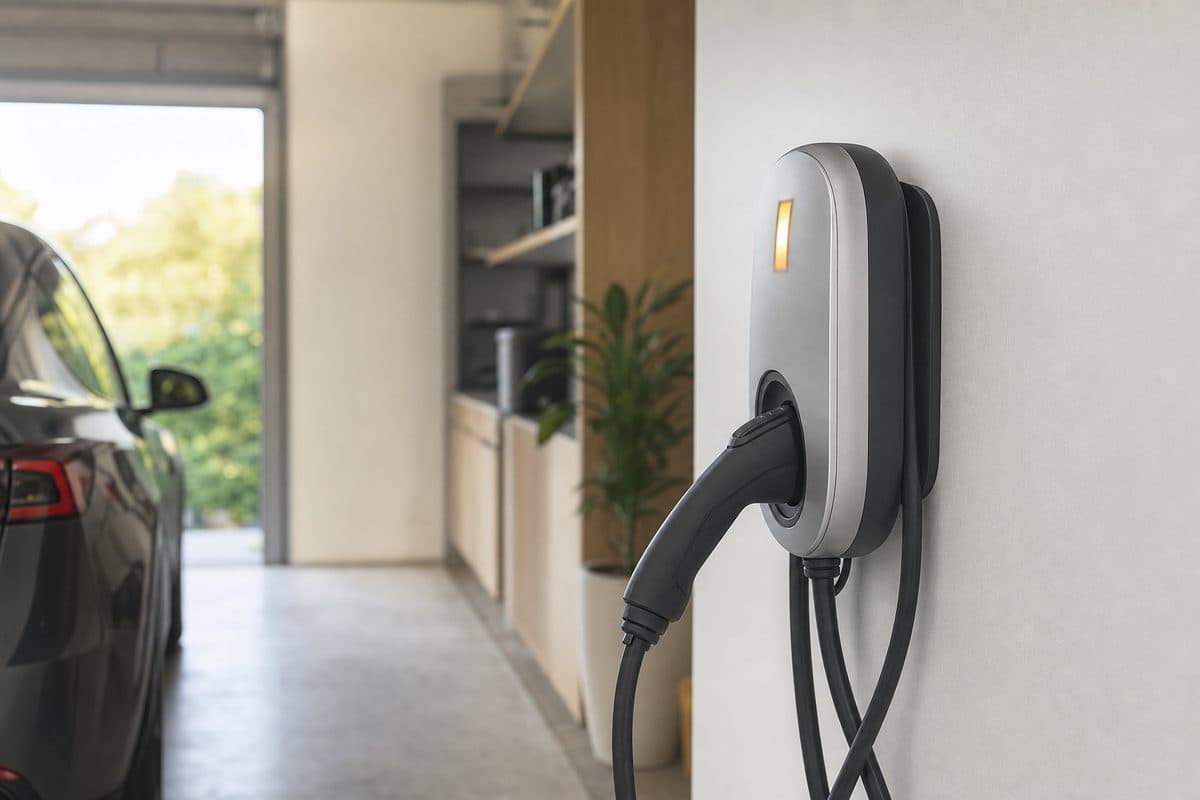
Why a Home EV Charger Stops Working
If your home EV charger is offline, slow, faulting, or tripping a breaker, the cause may be the vehicle, settings, receptacle, charger, breaker, or panel capacity. This guide covers safe observations, manufacturer-approved resets, and what to document before requesting electrician help.
Read guide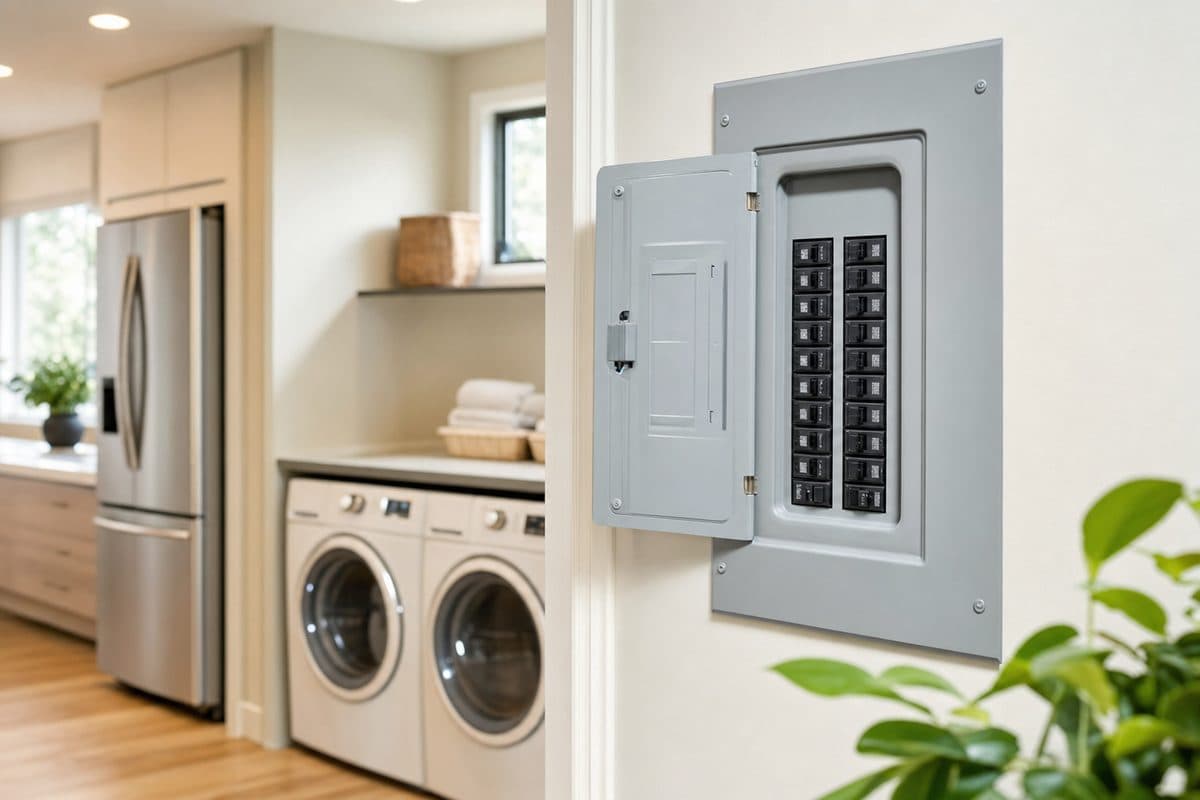
Dedicated Circuits: When Do You Need One?
Some appliances need a circuit all to themselves. Here is what a dedicated circuit is, which devices need one, and the signs you are short on capacity.
Read guideNeed EV charger installation help in Rutland?
Call ElectricianQuotes to connect with help for repairs, panels, breakers, outlets, switches, lighting, EV chargers, inspections, wiring, and more.
Call (833) 962-0486 to talk through the electrical problem and check electrician availability.